Objective:
The program aimed to provide students with essential knowledge and hands-on experience in emerging technologies such as data science, cloud computing, artificial intelligence, and machine learning. It also sought to enhance practical problem-solving abilities by enabling students to work on real-world projects using IBM Watson Studio and related platforms.Furthermore, the program integrated practical exposure with academic learning to ensure students are aligned with current industry practices and technological trends. Ultimately, it aimed to prepare students to gain a competitive edge in the job market by equipping them with relevant skills, project-based experience, and exposure to widely used tools in the digital workforce. The session focused on exploring the IBM Cloud Platform and its wide range of services. It began with an introduction to cloud computing and IBM Cloud services, followed by insights into Artificial Intelligence through the IBM course Getting Started with AI.
Date: 19th Aug-21st Aug, 2025
Venue: VU Building No: 2, Room 2001A , Vishwakarma University
Mode: Online, Offline
Participants:
Third Year students of Artificial Intelligence, Faculty of Science and Technology,
Vishwakarma University, Pune.
Organizers:
Organizing Chairperson
o Mr. Kiran Pawar, Deputy Director, Training & Placement Cell
Conveners:
o Prof. (Dr.) Kailas Patil, Dean, Faculty of Science & Technology
o Prof. (Dr.) Sandip Thite, Associate Dean, Faculty of Science & Technology
Co-Convener:
o Dr. Pavitha Nooji, Head, Department of Artificial Intelligence
Faculty Coordinator:
o Prof. Mayuri Satpute, Department of Artificial Intelligence
Program Highlights:
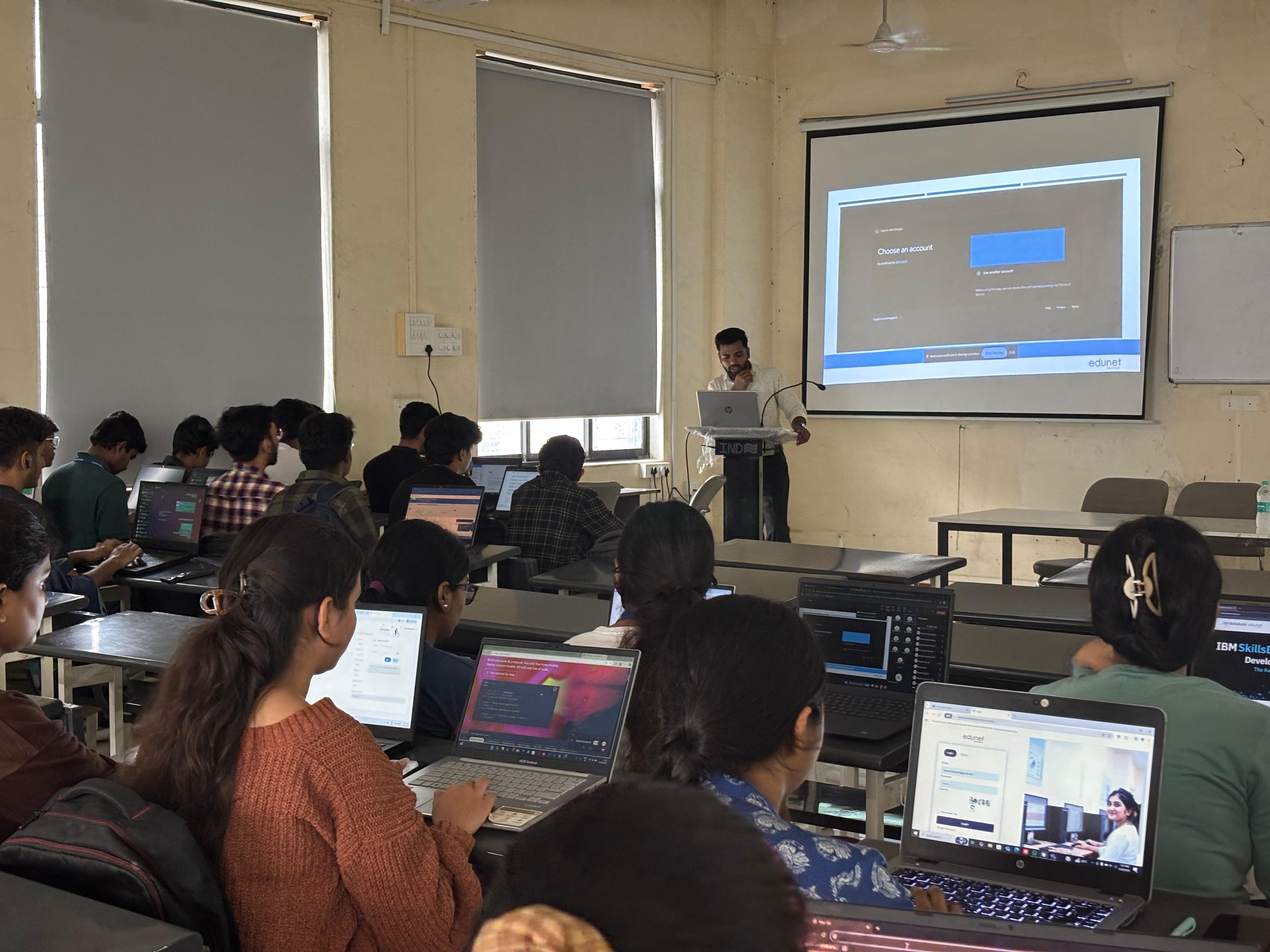
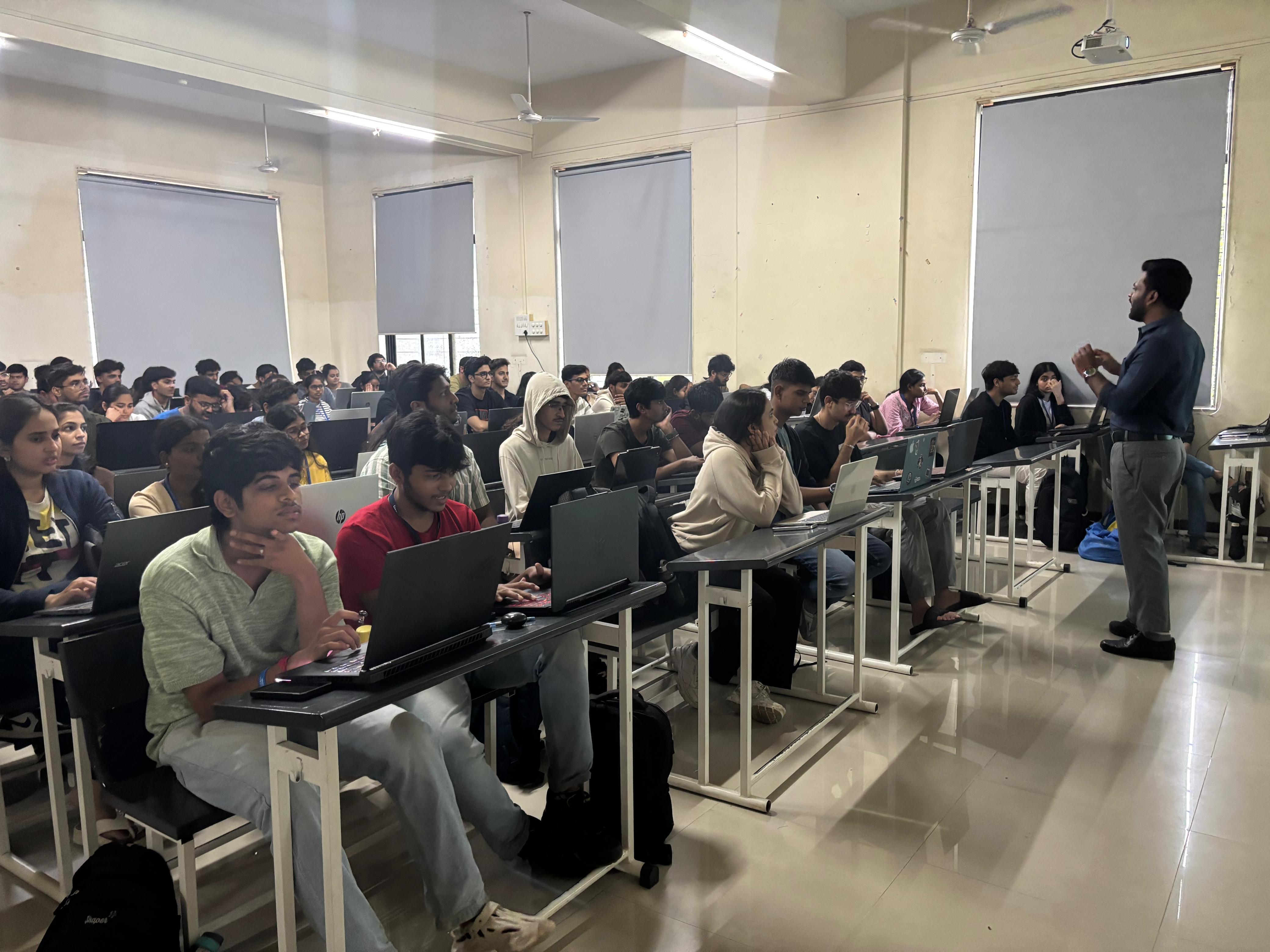
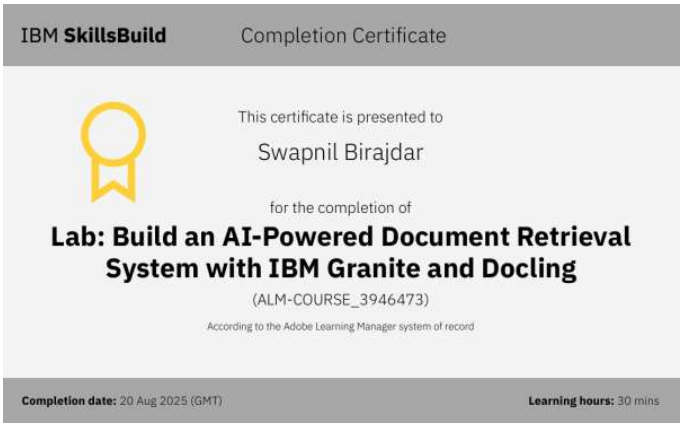
The event was organized by the Training and Placement Cell in collaboration with the Department of Artificial Intelligence, Faculty of Science & Technology, Vishwakarma University.The session was conducted by Aditya Dambale and Rohidas Shelar who guided students on The IBM SkillsBuild for College program provided students with access to the IBM Cloud platform, enabling them to gain hands-on experience with cloud-based applications widely used across industries. The training focused on emerging technologies such as data science, cloud computing, artificial intelligence, and machine learning, ensuring that students acquired knowledge in high-demand domains. A practical learning approach was adopted through a blend of online courses, interactive sessions, and real-world projects using IBM Watson Studio, which helped students strengthen their problem-solving and analytical skills. Participants were introduced to Large Language Models (LLMs), prompting techniques, and data analytics. The hands-on activities included crop recommendation using Watson Machine Learning with AutoAI, creating Jupyte notebooks with IBM Watson Studio, data refinement using IBM Data Refinery, and building a chatbot for college admissions with Watsonx Assistant. Additional sessions covered Prompt Lab with IBM Granite LLM, Agentic AI, and a discussion on IBM Events and Project-Based Learning (PBL), providing practical exposure to real-world AI and cloud applications.
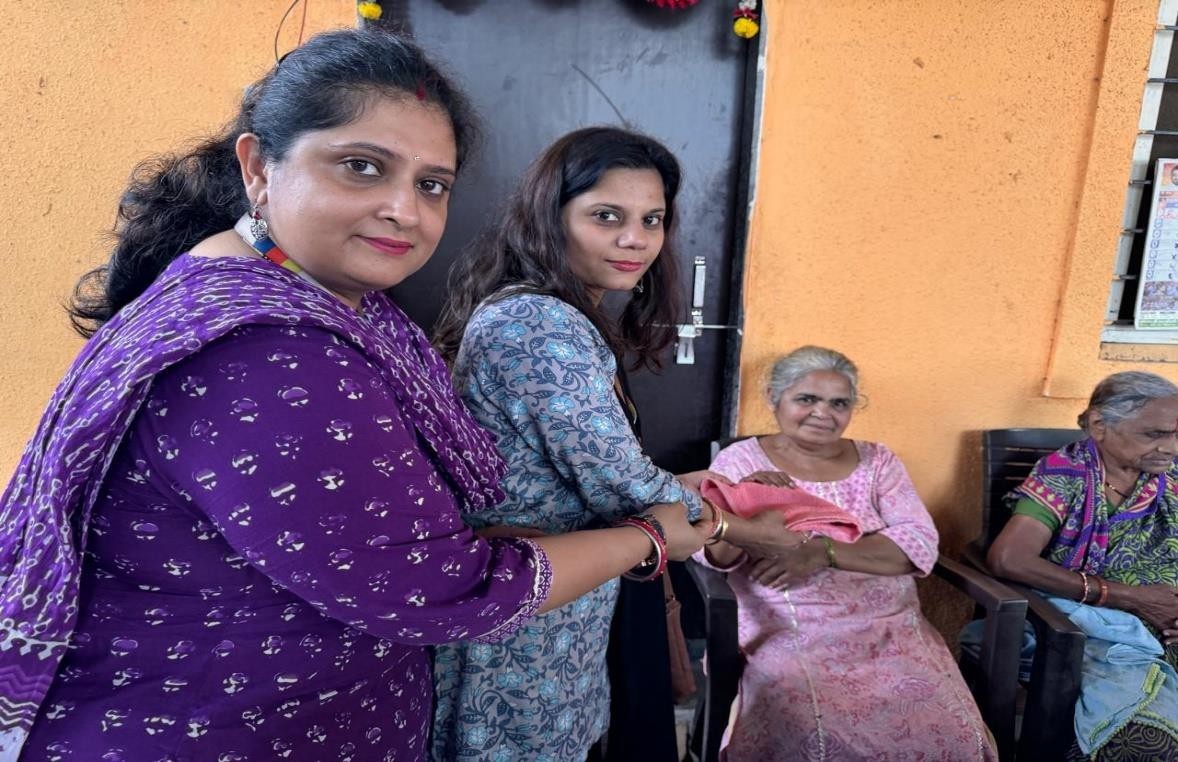
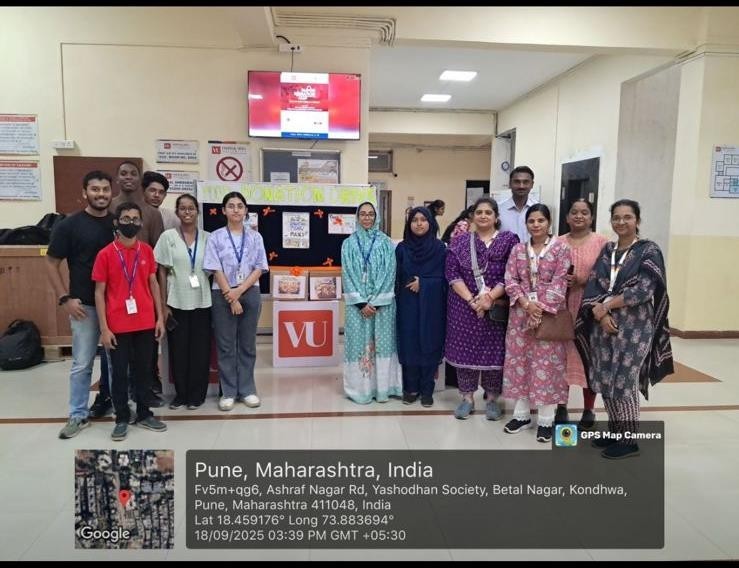
The “Nourishing with Care – Food Donation Drive for the Elderly”, conducted on 29 September 2025 at Vrudhashram Kranti Jyoti Savitribai Phule Mahila Vikas Sansthan, Pune, with the collection point at Vishwakarma University, aimed to promote social responsibility, community engagement, and value-based education among students while addressing the nutritional needs of elderly residents through the donation of essential non-perishable food items. The program was organized under the guidance of Dr. S. Sampathi (Dean, School of Pharmacy – Convenor), Dr. Neeta Rai (Coordinator), Dr. Amrita Thakur (Coordinator), Prof. Supriya Unavane (Member), Dr. Sabeena Syed, and Dr. Madhav Shelke, with active participation from 6 faculty members and 20 students from III and V semesters who contributed to awareness, collection, logistics, and beneficiary interaction. Approximately 30 elderly residents directly benefited from the initiative, which enhanced students’ empathy, civic responsibility, teamwork, and experiential learning, while strengthening Vishwakarma University’s commitment to social service and community partnership. The program was coordinated by Dr. Neeta Rai, Vishwakarma University, Pune, reinforcing continued student involvement in meaningful outreach activities.
.jpg)
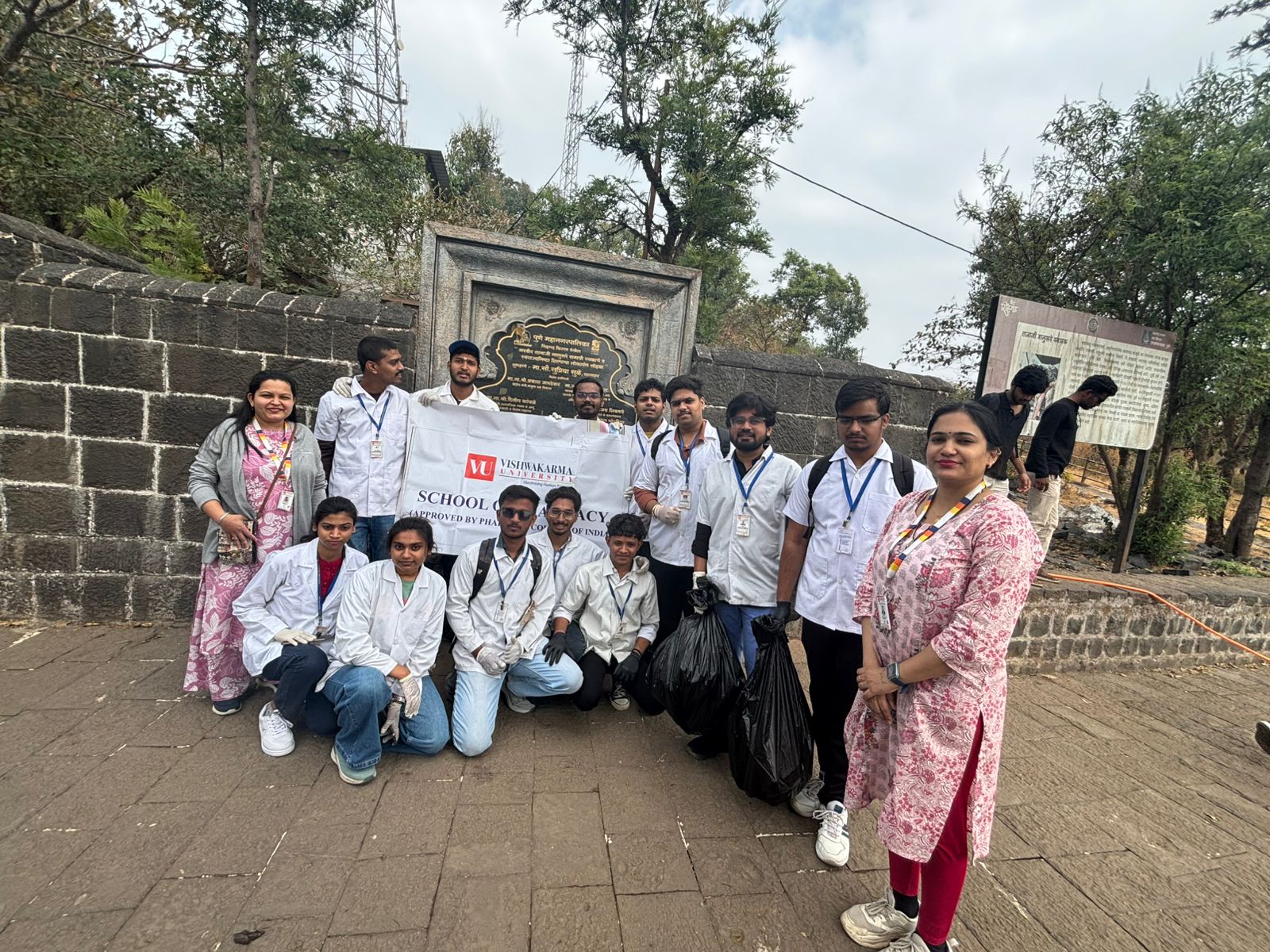
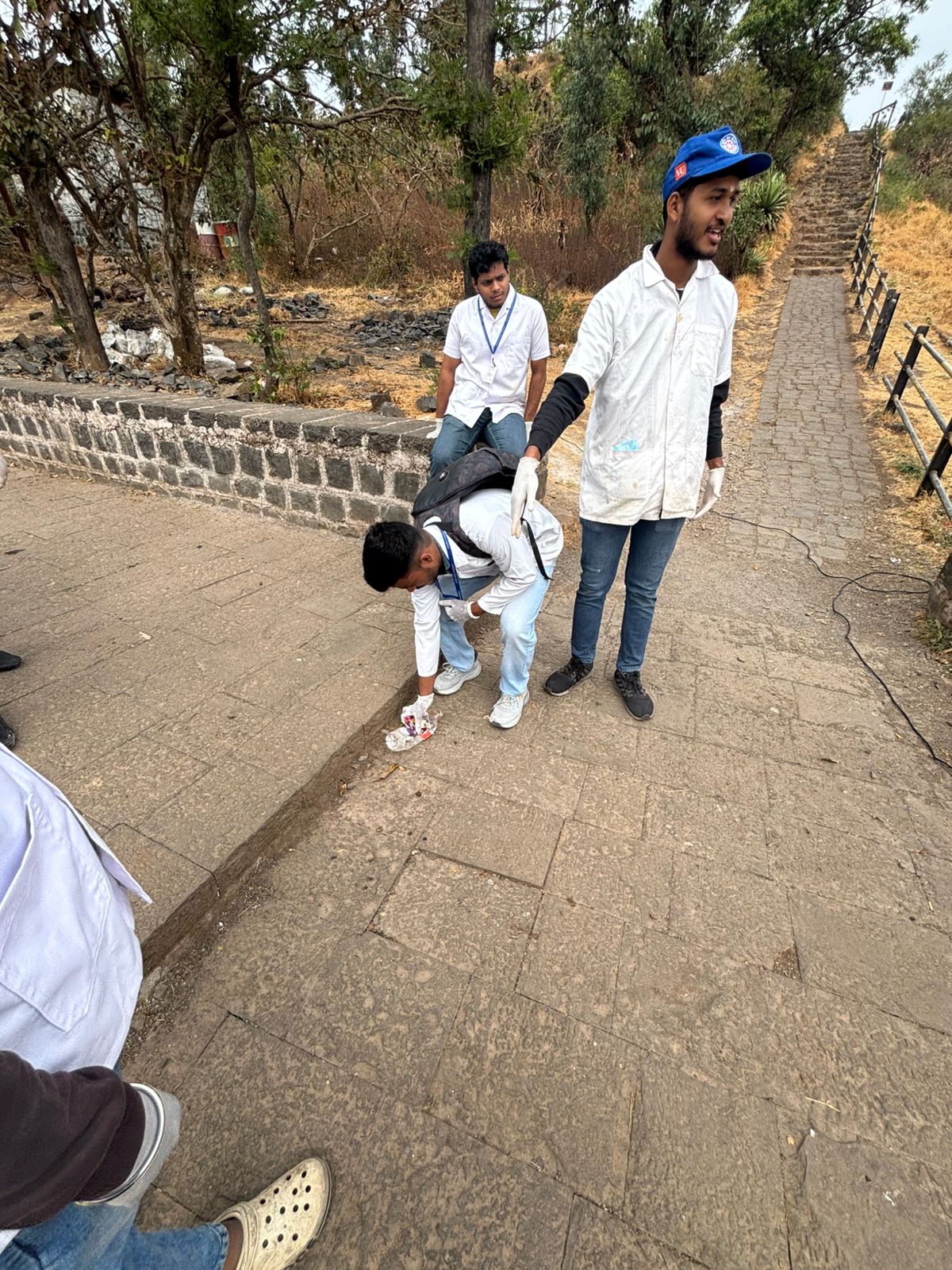
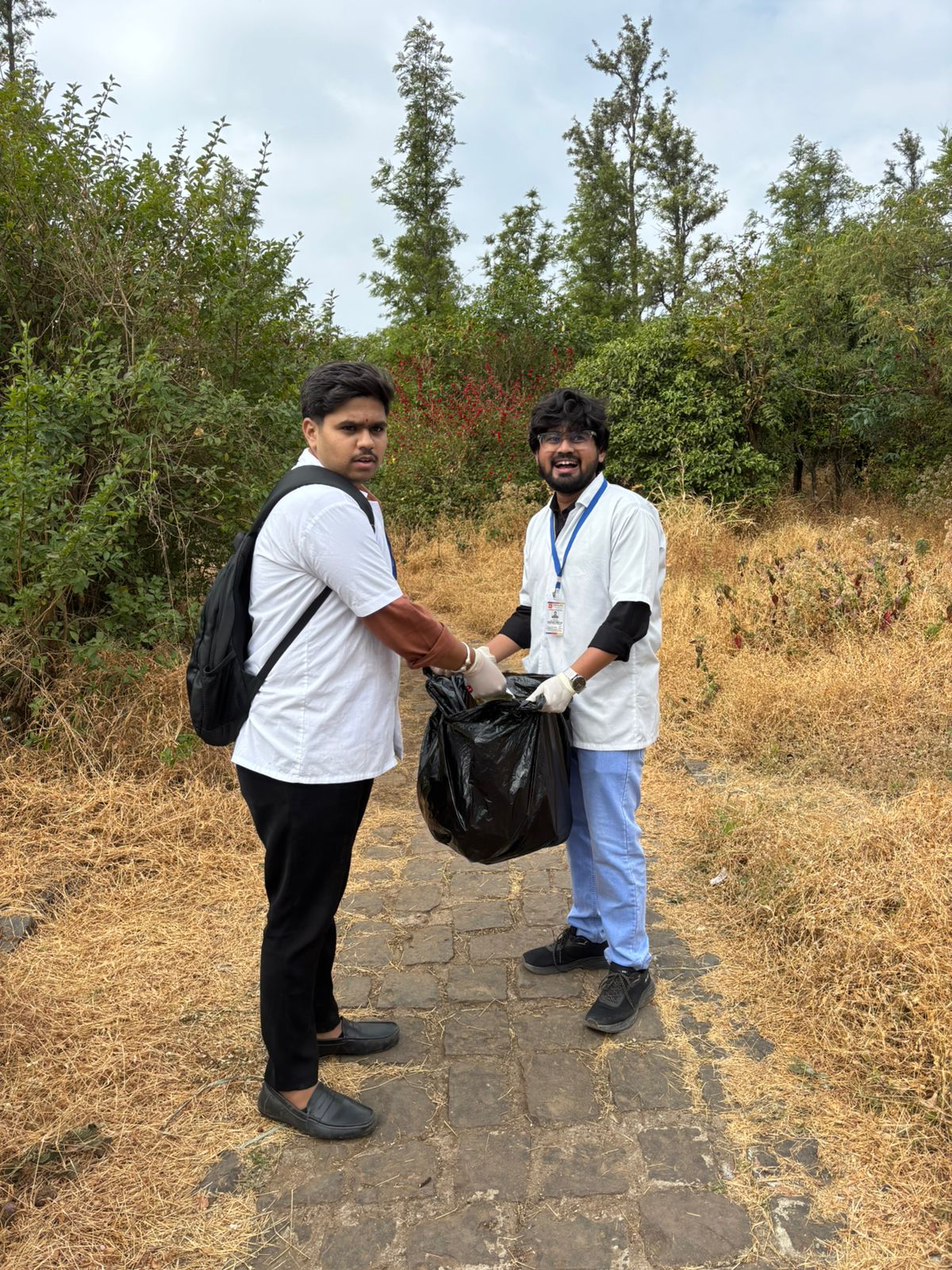
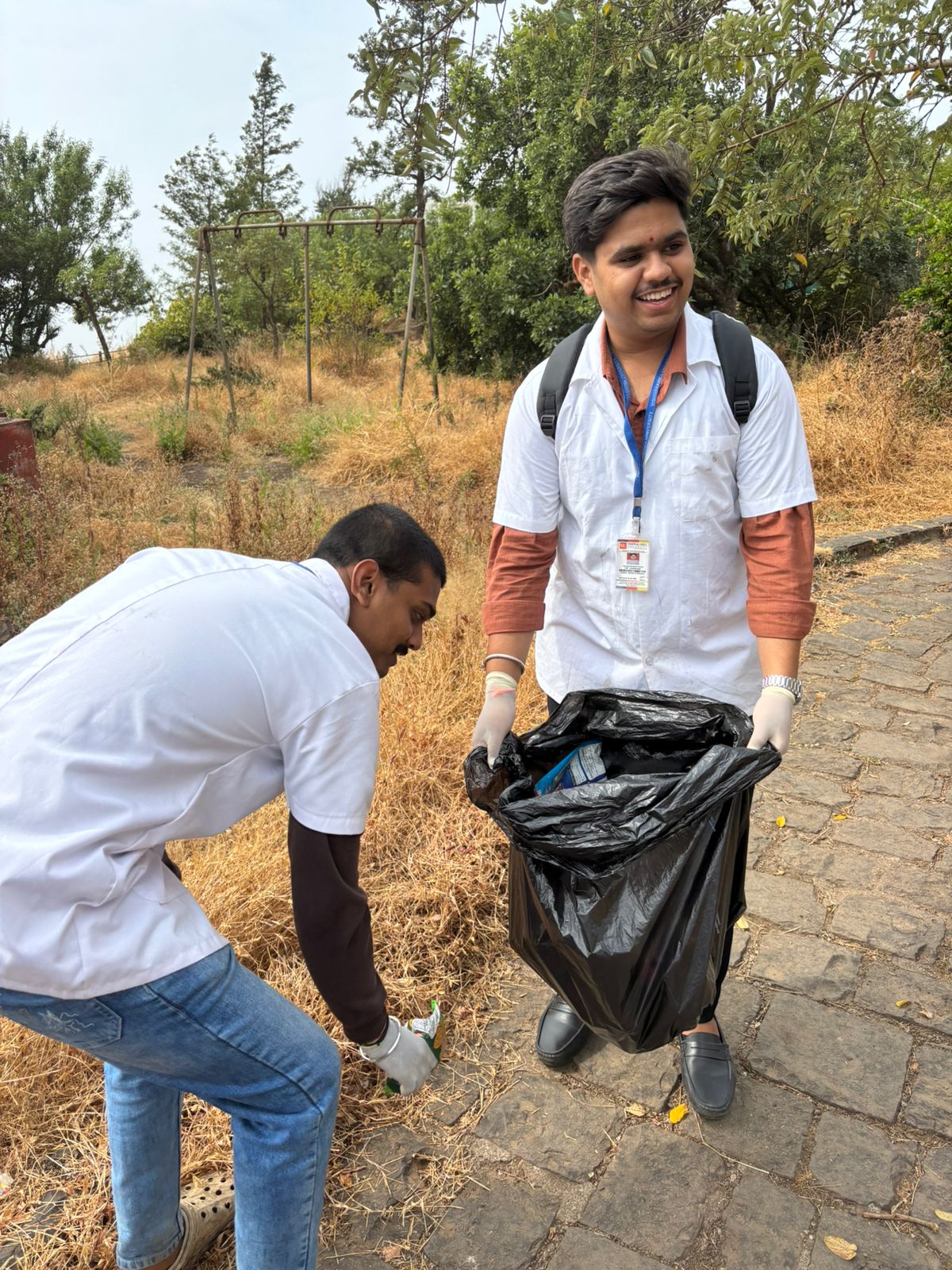
Vishwakarma University organized a Fort Cleanliness & Plastic-Free Awareness Drive on 27 January 2026 at Sinhgad Fort as part of its Republic Day Community Outreach initiative. The activity was conducted by the School of Pharmacy, Vishwakarma University, with the objective of promoting environmental cleanliness, sustainability, and social responsibility among students. The programme was organized under the guidance of Dr. Dipali Talele and Prof. Yogita Shinde. Faculty members and students at the School of Pharmacy actively participated in the drive, demonstrating institutional commitment towards community engagement and environmental stewardship. During the activity, students undertook systematic cleaning of designated areas of Sinhgad Fort by collecting plastic and other dry waste. The collected waste was segregated to ensure environmentally responsible disposal.
The initiative contributed to maintaining the cleanliness of a historically significant heritage site and helped reduce the accumulation of non-biodegradable waste in the surrounding environment. The cleanliness drive provided experiential learning opportunities to students, fostering values such as teamwork, discipline, civic responsibility, and environmental consciousness. The successful execution of this community outreach activity reflects Vishwakarma University’s sustained efforts in integrating social responsibility and environmental awareness into academic and co-curricular practices.
.jpeg)
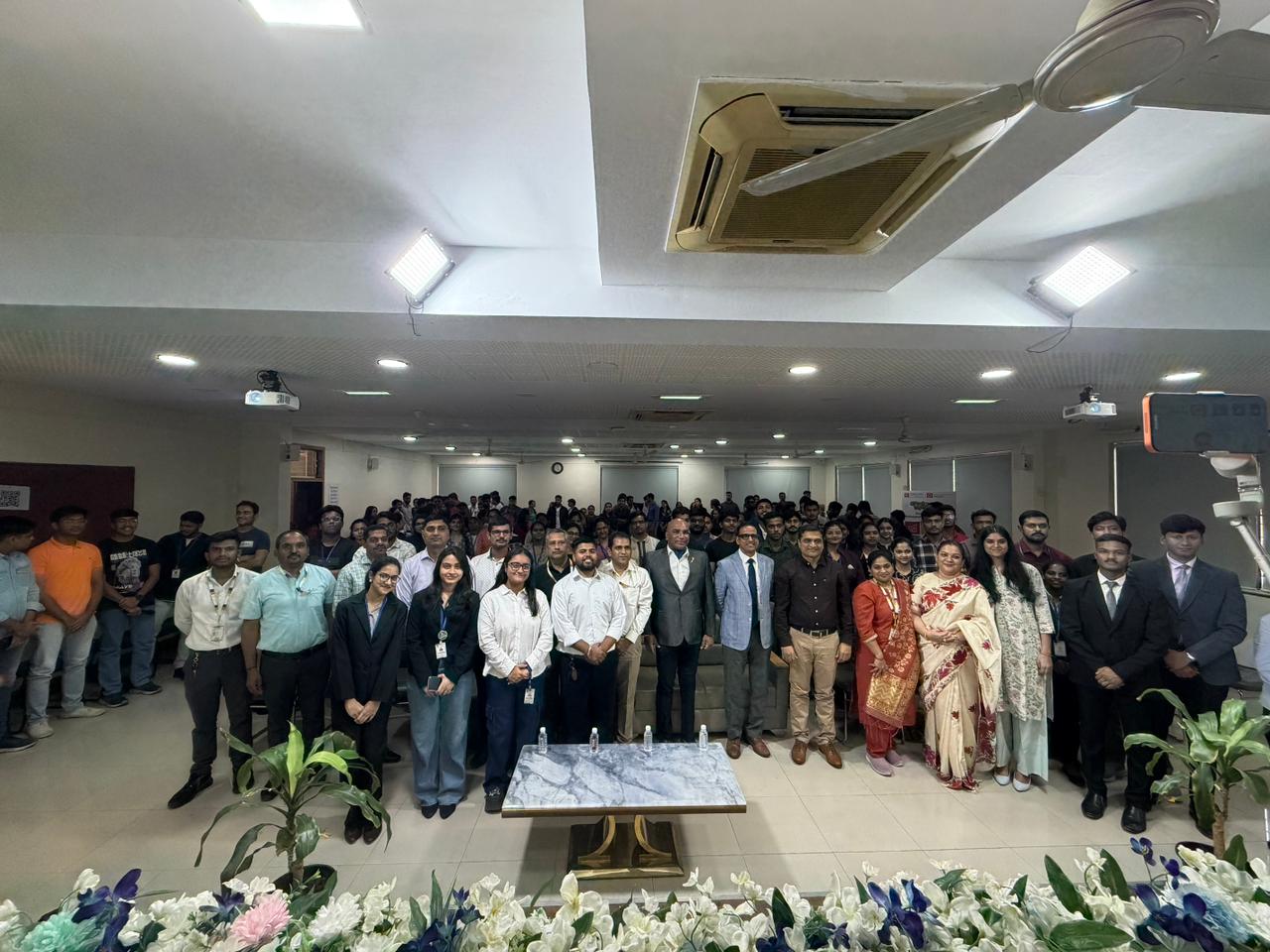
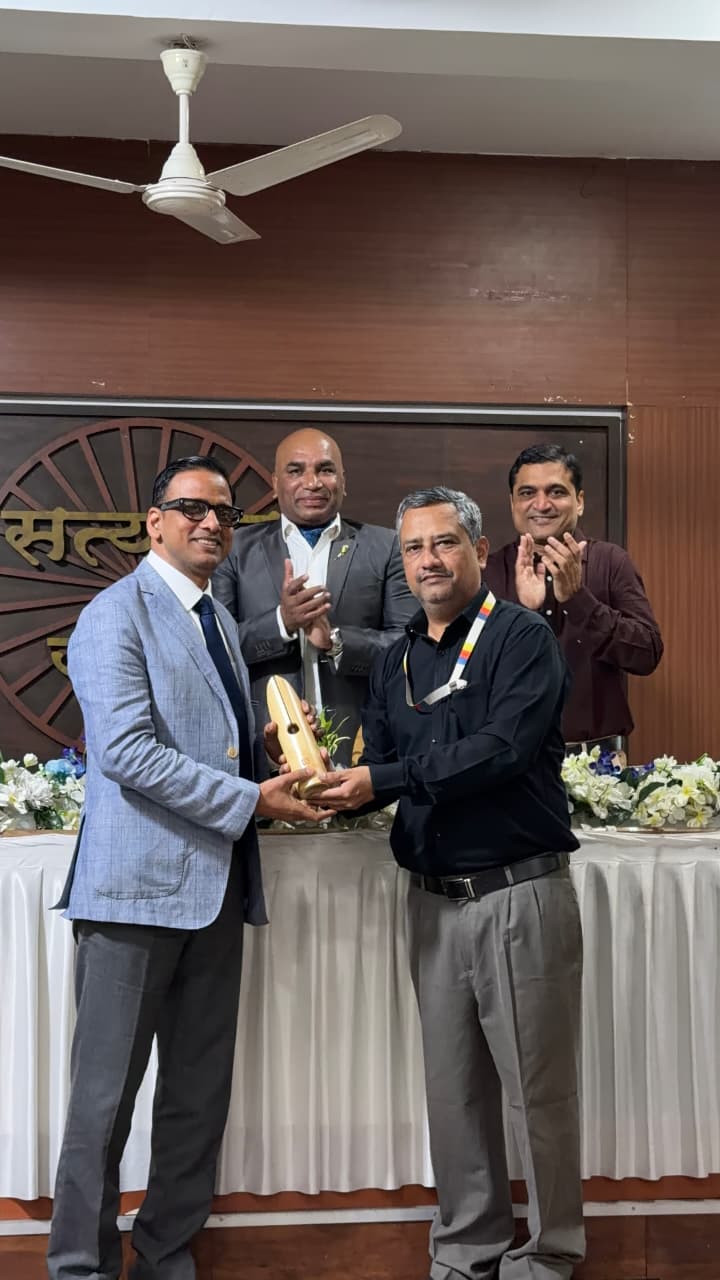
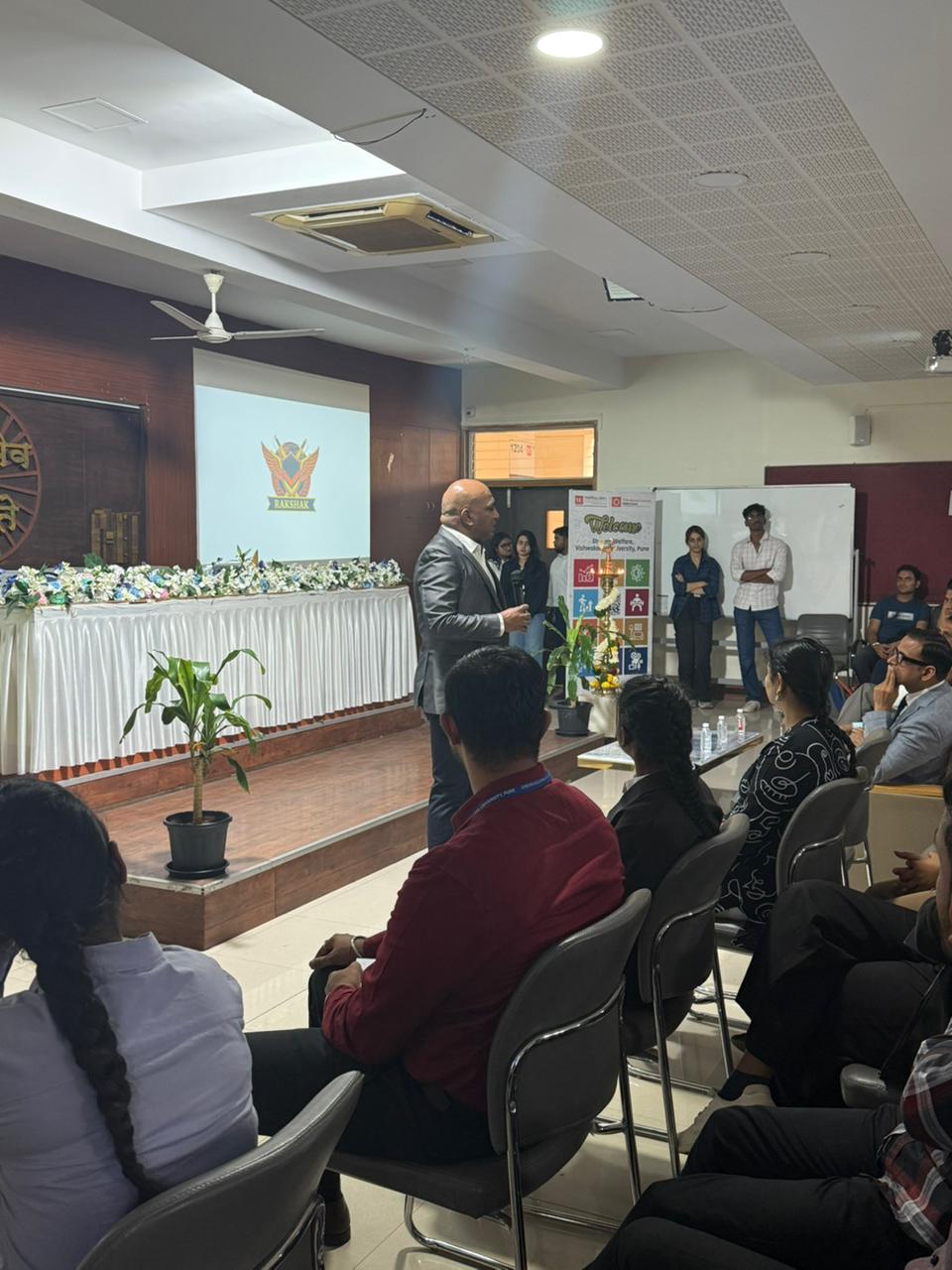
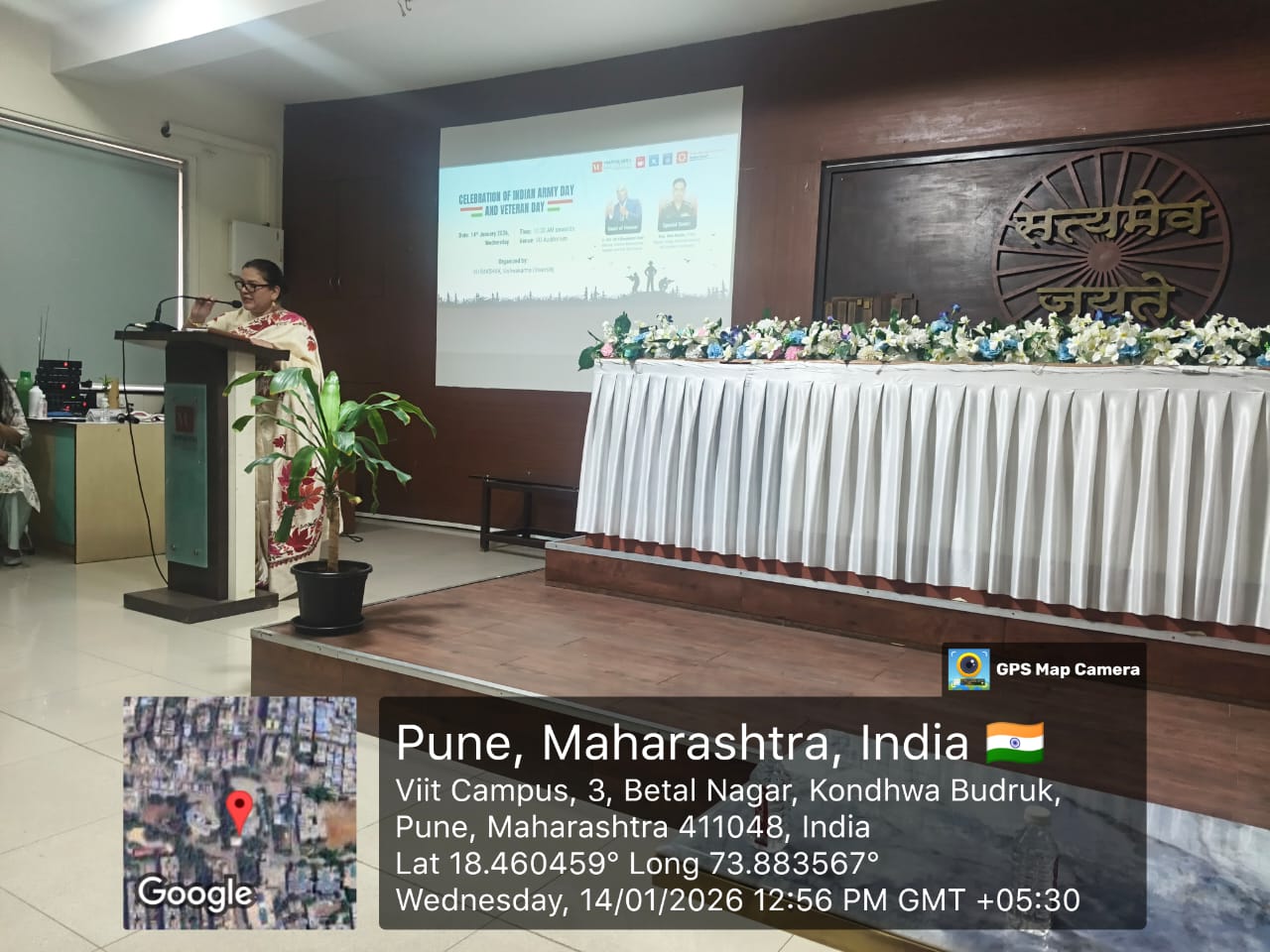
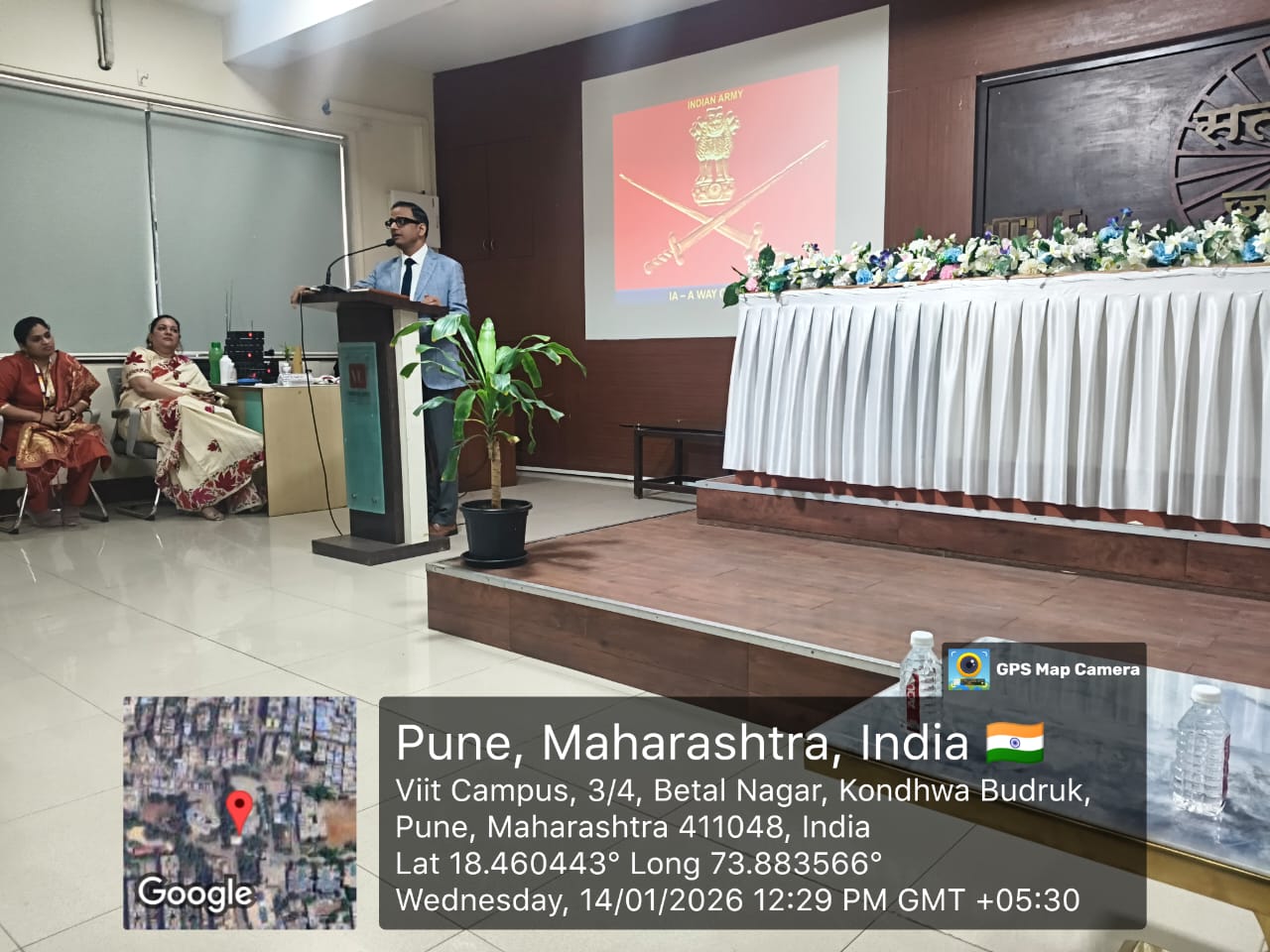
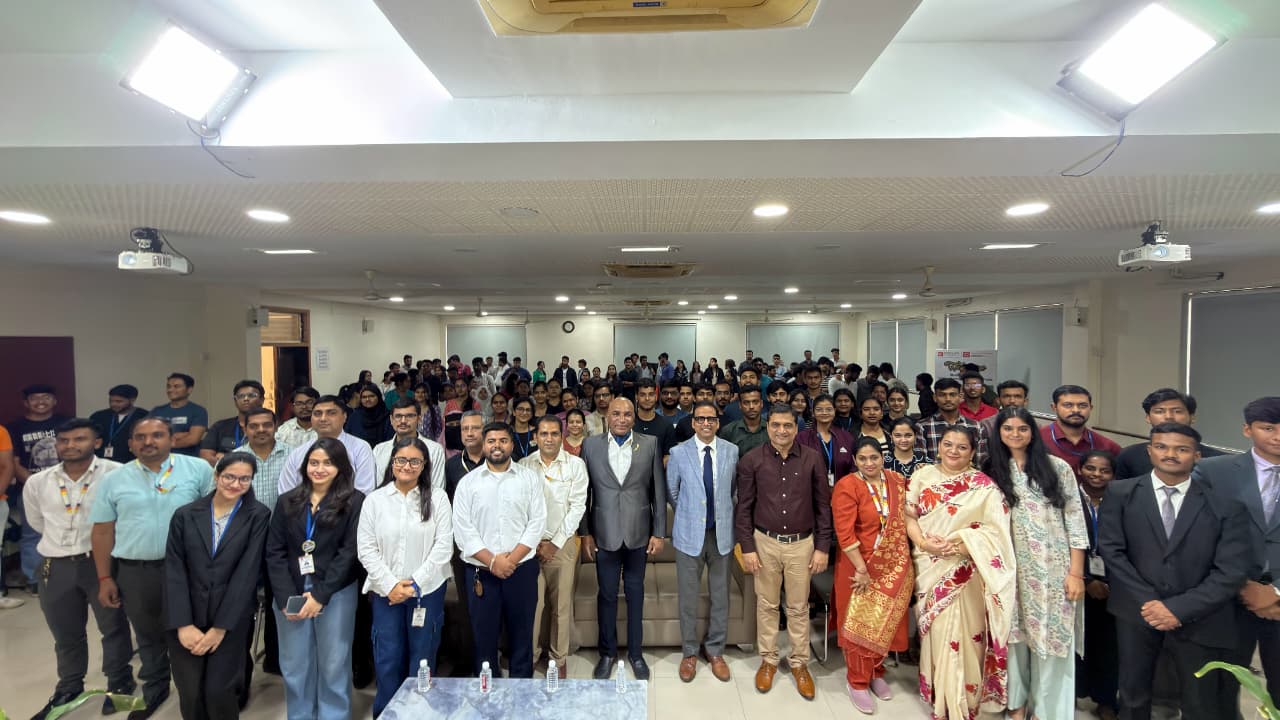
VU Rakshak – the Students’ Defence Resource Development Cell of Vishwakarma University, successfully organized the Army & Veterans Day Celebration on 14 January 2026 at the VU Auditorium, in collaboration with the University Student Council. The event was conducted to honour the courage, discipline, and selfless service of the Indian Army and veterans, while inspiring students to consider careers in defence and allied services.
A significant highlight of the event was the inauguration and unveiling of the VU Rakshak Logo, marking an important milestone for the Cell. VU Rakshak aims to mentor, guide, and support students aspiring to serve the nation through defence services by providing awareness, motivation, and structured guidance.
The programme was graced by eminent defence professionals whose presence greatly enriched the occasion:
The event witnessed enthusiastic participation from students, faculty members, and members of the Student Council. The collaboration between VU Rakshak and the Student Council ensured smooth coordination and effective execution of the programme.
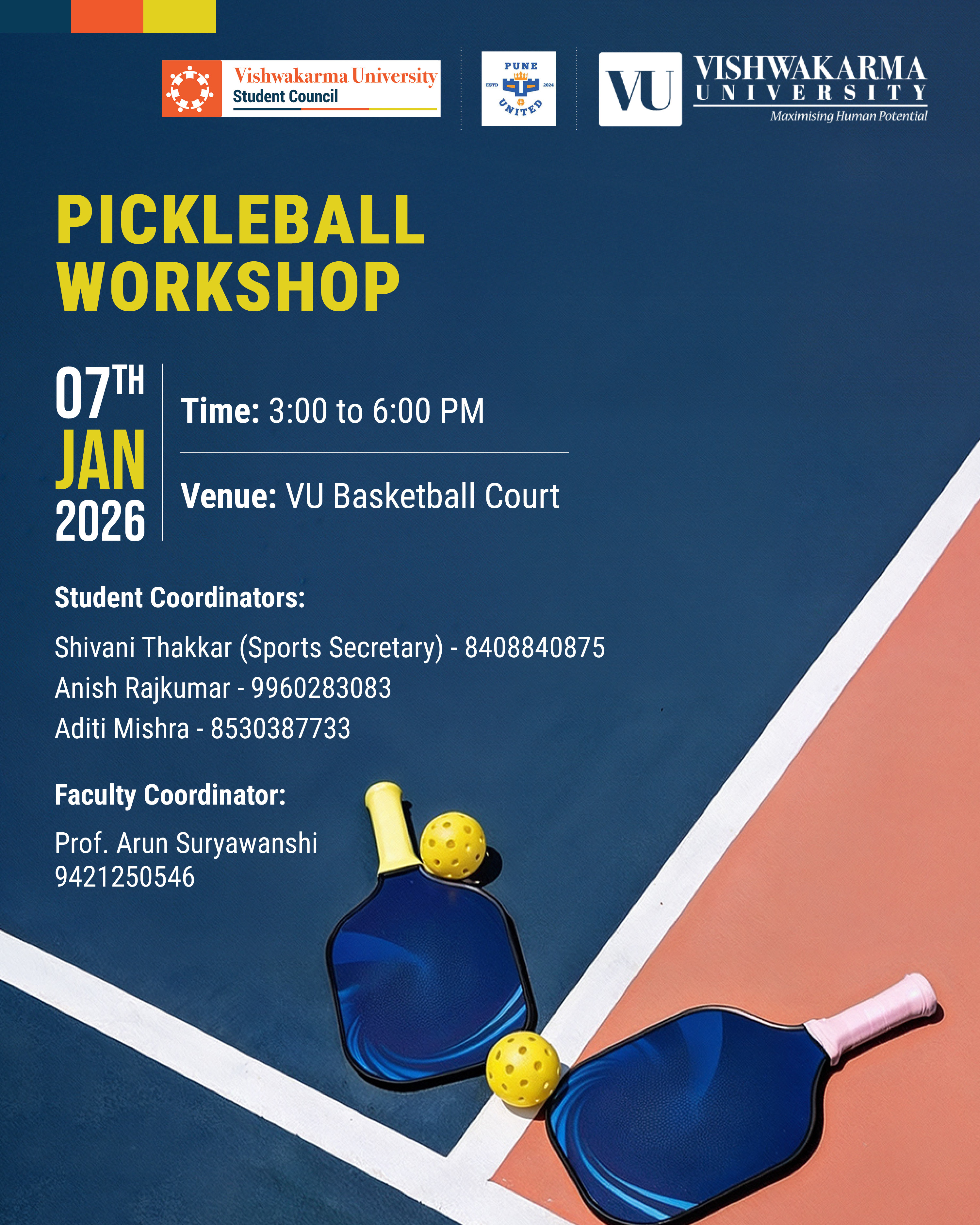
Pickleball Workshop (7th January 2026)
Vishwakarma University successfully organized a Pickleball Workshop on 7th January 2026 at the University Basketball Court, in collaboration with Pune United, one of the founding franchises of the World Pickleball League (WPBL).
The objective of the workshop was to introduce students to the fundamentals of pickleball, promote physical fitness, and encourage participation in emerging sports. The workshop was conducted in three batches to ensure effective training and engagement, with sessions scheduled from 3:00 PM to 6:00 PM.
The workshop included:
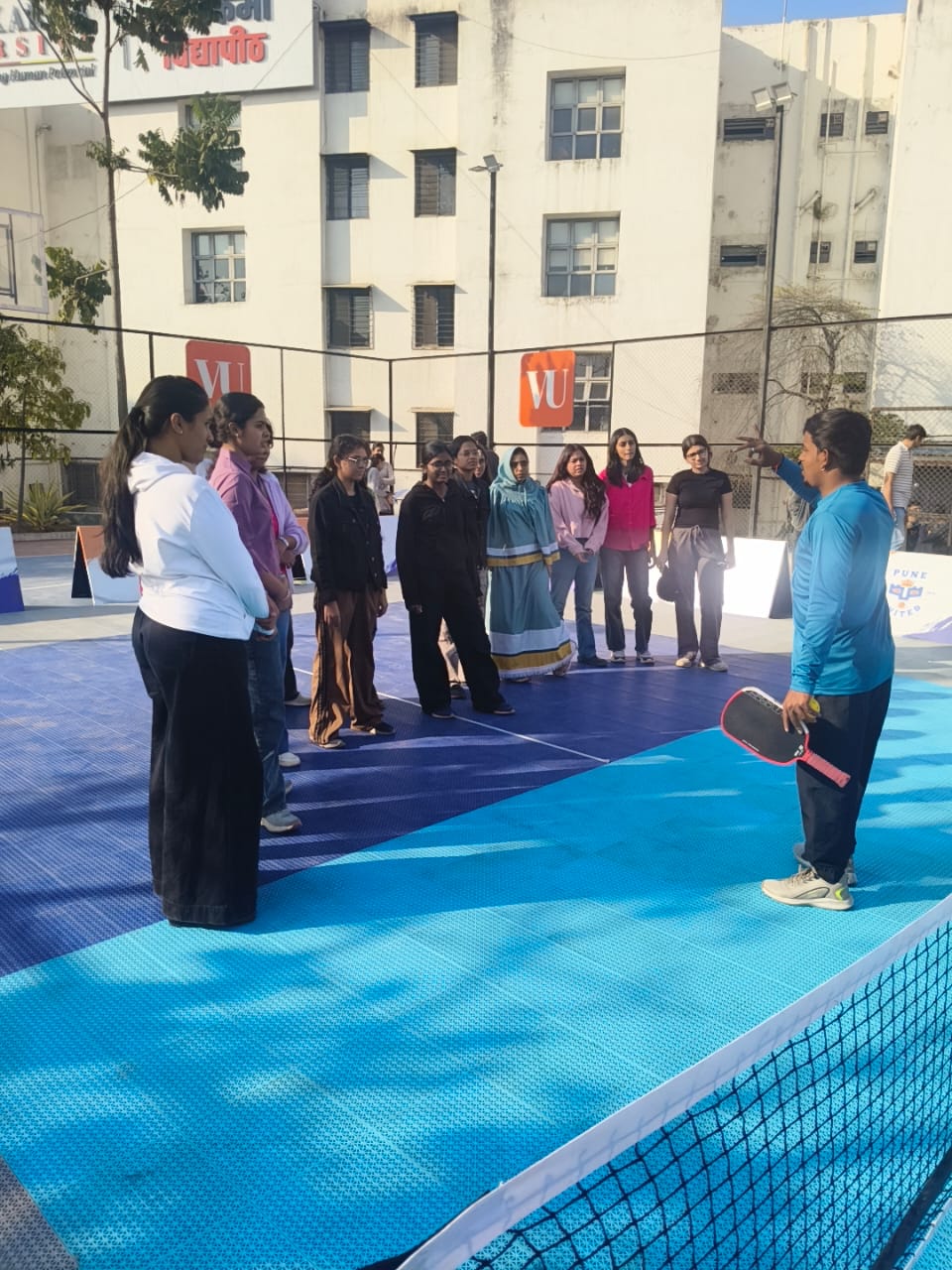
An introduction to the rules and basics of pickleball Demonstration of techniques and equipment Practical drills and match play under expert guidance
A total of 100+ students, including boys and girls, actively participated in the workshop. The students showed great enthusiasm and interest throughout the sessions, making the event highly interactive and engaging.
.jpeg)
.jpeg)
.jpeg)
.jpeg)
The objective of the M.A. programmes in Prakrit and Jain Studies is to provide students with a systematic understanding of the Prakrit language and Jain philosophy at the foundational and advanced levels respectively. Through these programmes, students are introduced to the structure, historical development, and literary tradition of the Prakrit language, along with Jain Āgamic literature, core philosophical concepts, ethical values, monastic traditions, contemporary discourses, and research methodologies.
The M.A. in Prakrit and Jain Studies programme places special emphasis on advanced and in-depth study. It covers profound concepts of Jain philosophy, Āgamic and post-Āgamic literature, comparative philosophy, applied Jain studies, and the development of a research-oriented perspective. This programme equips students with the ability for independent thinking, critical analysis, and meaningful contribution to academic and research fields.
programmes emphasize a strong theoretical foundation combined with practical and research-oriented approaches, enabling students to effectively understand and apply the principles of Prakrit language and Jain philosophy in academic, social, ethical, and cultural contexts.
The objective of the B.A. programmes in Prakrit and Jain Studies is to provide students with a systematic understanding of the Prakrit language and Jain philosophy at the foundational and advanced levels respectively. Through these programmes, students are introduced to the structure, historical development, and literary tradition of the Prakrit language, along with Jain Āgamic literature, core philosophical concepts, ethical values, monastic traditions, contemporary discourses, and research methodologies.
The B.A. in Prakrit and Jain Studies programme offers students a solid foundation in language, literature, and philosophy, while developing essential skills such as reading, textual analysis, translation, academic writing, and critical thinking. The programme strengthens academic discipline, ethical awareness, and cultural understanding among students.
programmes emphasize a strong theoretical foundation combined with practical and research-oriented approaches, enabling students to effectively understand and apply the principles of Prakrit language and Jain philosophy in academic, social, ethical, and cultural contexts.
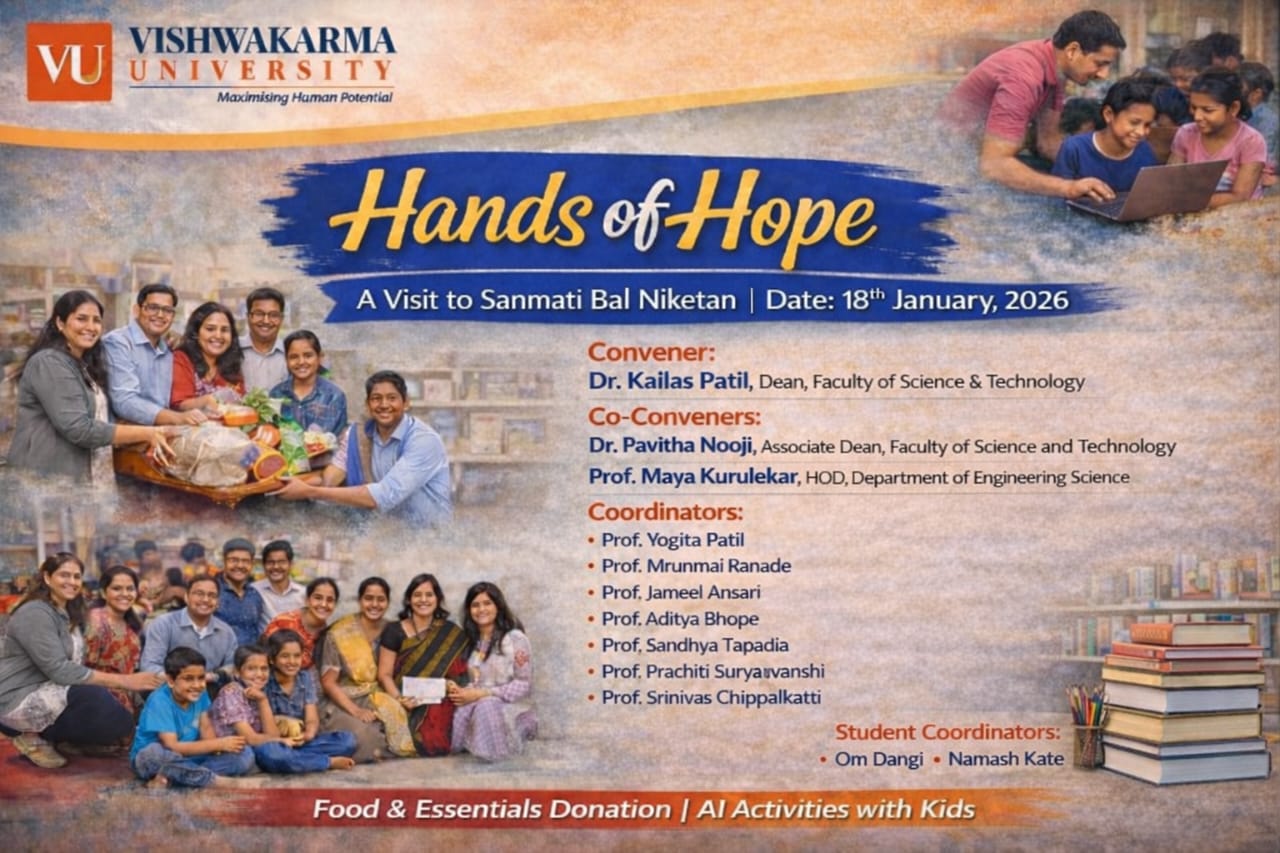
Date: 18th January 2026
Venue: Sanmati Bal Niketan, Manjari, Pune
(A unit of Sindhutai Sapkal (Mai) Foundation)
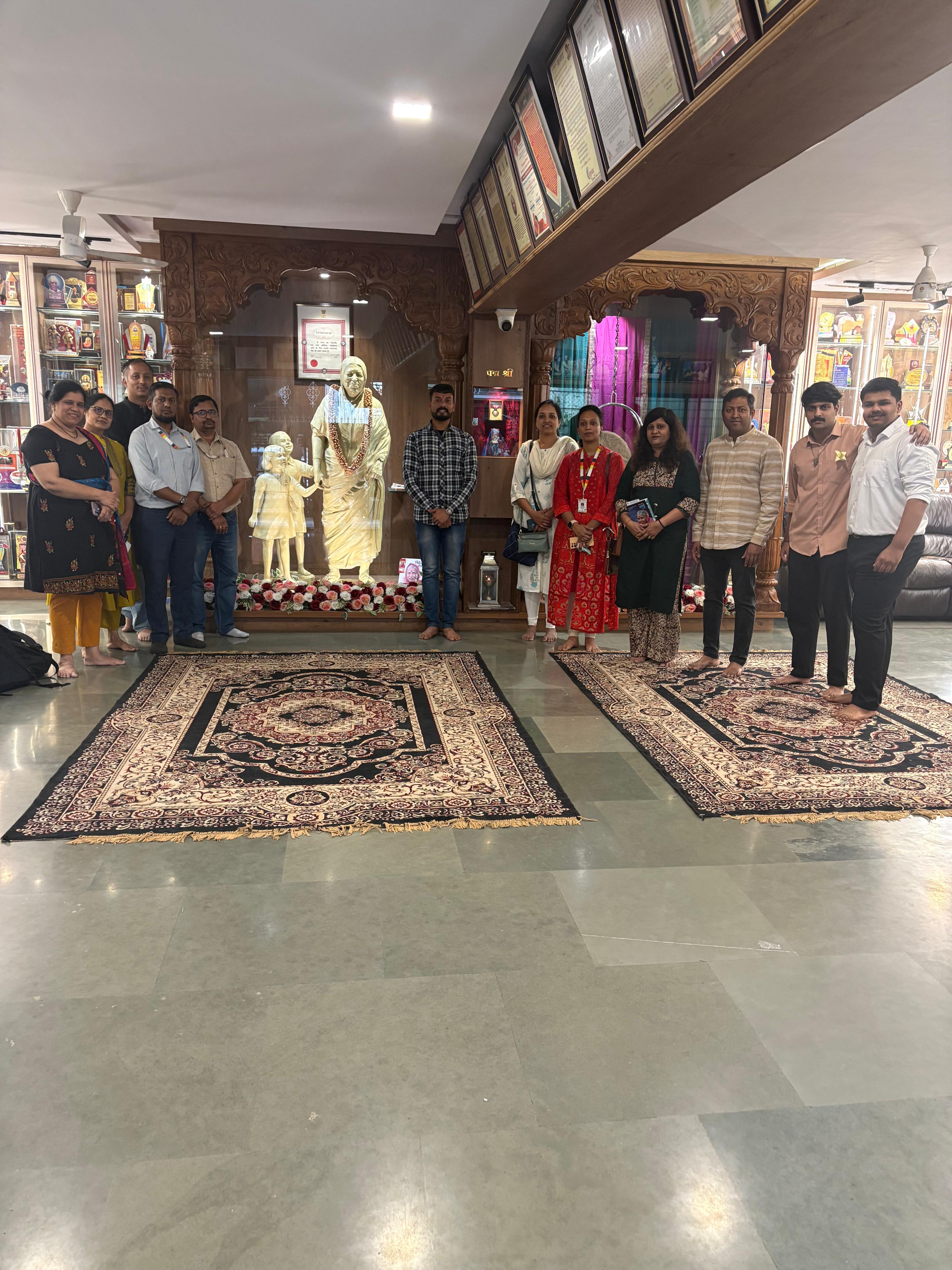
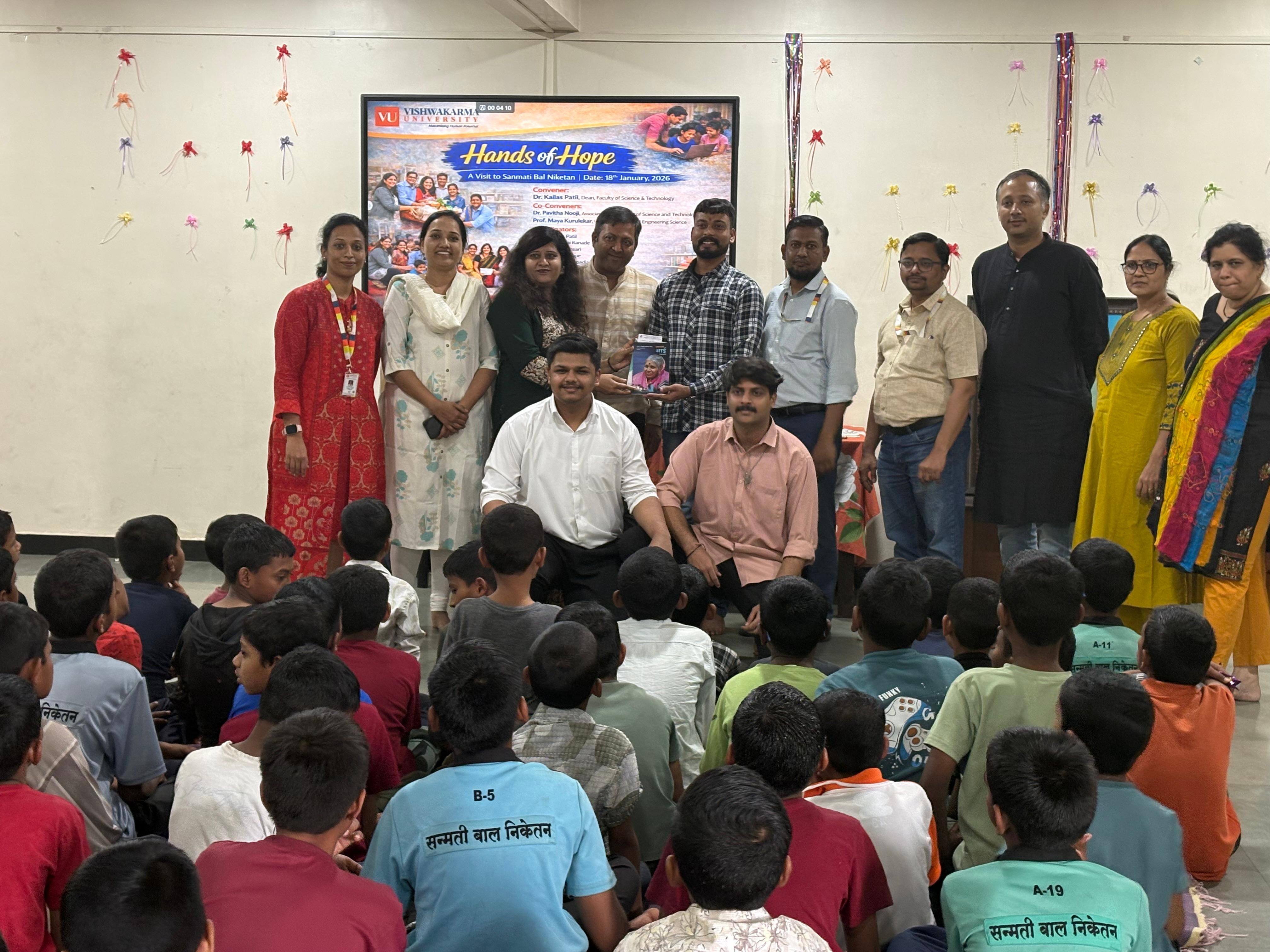
Vishwakarma University organised a social outreach activity titled “Hands of Hope” on 18th January 2026, with the aim of nurturing social responsibility, community engagement, and empathetic learning among students and faculty members. The activity involved a visit to Sanmati Bal Niketan, Manjari, Pune, functioning under the esteemed Sindhutai Sapkal (Mai) Foundation, which is widely known for its dedicated service towards orphaned and abandoned children.
Upon arrival, the faculty members and students were warmly welcomed by the caretaker of Sanmati Bal Niketan. The caretaker provided a detailed orientation about the Sindhutai Sapkal Foundation, its guiding philosophy, and the extensive network of its branches across different regions. This interaction offered participants a deeper understanding of the foundation’s holistic approach towards child welfare and rehabilitation.
Visit to Sanmati Bal Niketan and Mai’s Legacy
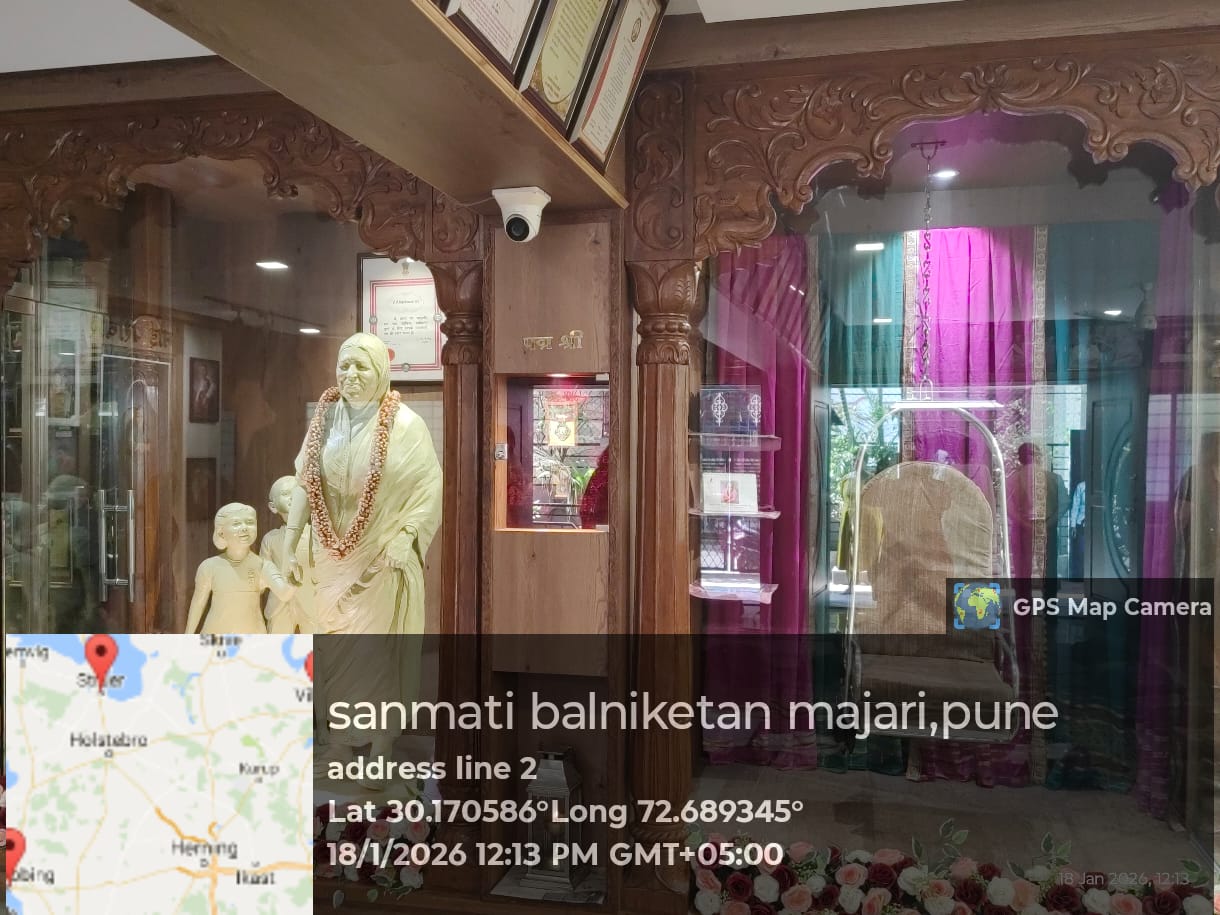
The team was guided through different facilities of Sanmati Bal Niketan, including residential rooms and common areas. The visit also included a dedicated section where Sindhutai Sapkal (Mai)’s awards, mementos, photographs, and personal belongings are preserved. The inspirational words and messages displayed on the walls were deeply heart-touching and conveyed Mai’s lifelong struggle, compassion, and unwavering dedication to serving abandoned children.
Institutional Structure and Child Welfare Practices
During the interaction, Pratap Sir explained that Sanmati Bal Niketan is exclusively for boys. The institution caters to children coming from diverse and difficult socio-economic backgrounds. The Sanshtha ensures that every child receives care, protection, education, emotional support, and moral guidance to help them overcome their past challenges and build a dignified life.
It was shared that the Sanshtha provides continuous support to children from the age of 6 years up to 24 years, ensuring care until they become independent and self-reliant. Along with basic necessities, the institution assists children in obtaining essential documents such as Aadhaar cards and other legal records, which are crucial for education, employment, and future stability.
Success Stories of Independence
The caretakers highlighted a notable achievement by sharing that in the previous month, the institution bid farewell to three boys who had become fully independent. These individuals have successfully secured stable employment, achieved financial independence, and even purchased their own vehicles, reflecting the effectiveness of the Sanshtha’s long-term support system.
AI Awareness and Learning Activity for Children
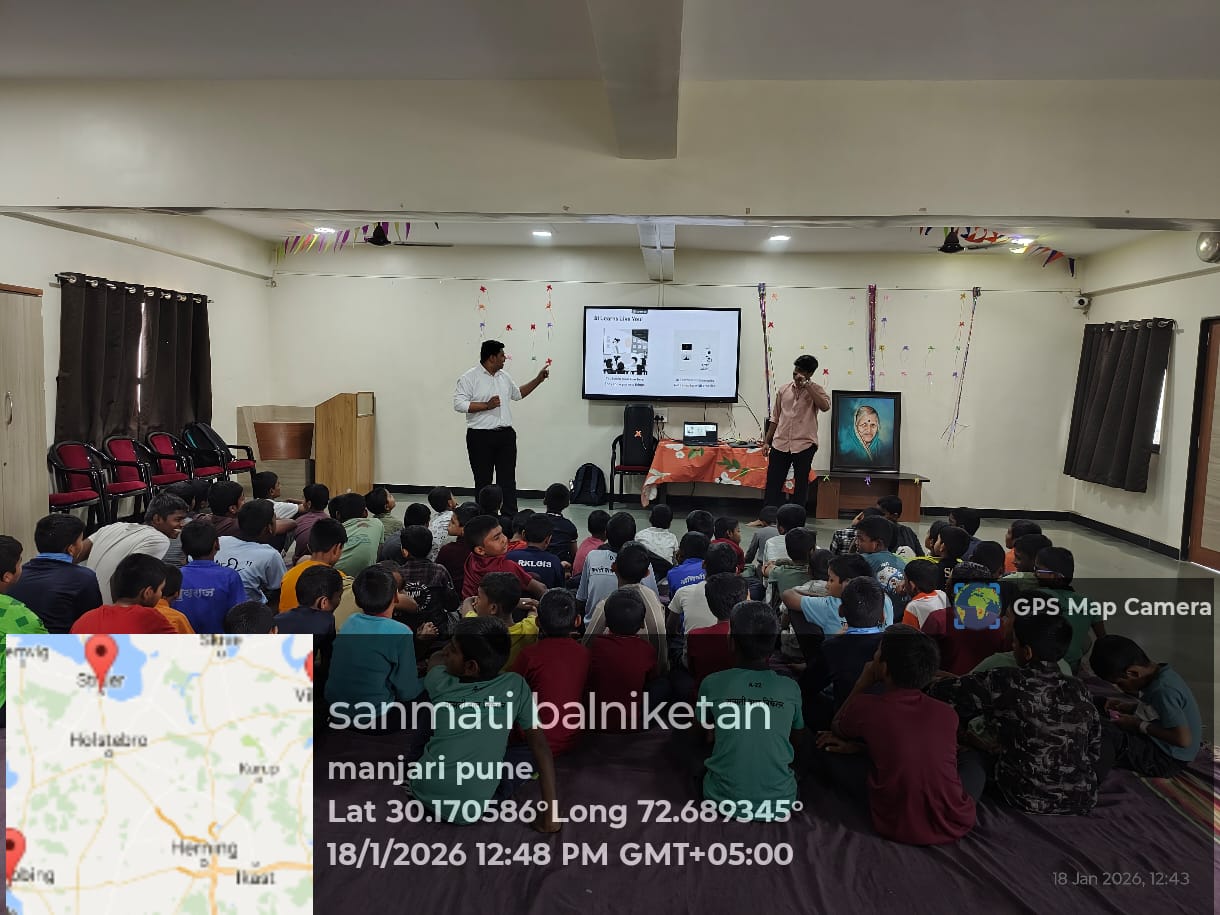
A special highlight of the visit was the AI awareness and learning activity conducted by student coordinators Om and Namash. A total of 60 children actively participated in this interactive session. The activity began with an introduction to basic computer concepts, gradually progressing towards an age-appropriate understanding of Artificial Intelligence.
The students also developed simple AI-based games for the children, making the learning process engaging and enjoyable. The children showed immense enthusiasm while interacting with the games, and the entire environment transformed into one filled with curiosity, laughter, and joy. The atmosphere truly reflected happiness spreading through little hands, making the experience joyful and memorable for both the children and the visitors.
The “Hands of Hope” outreach activity was a profoundly enriching experience for faculty members and students of Vishwakarma University. The visit not only provided insight into meaningful social service but also demonstrated how technology, when combined with compassion, can create powerful positive impact.

NAVIGATION
QUICK LINKS
PROGRAMMES
CONTACT US
Only for Students
+91 9590300911Only for Faculties
+91 8669908316Copyright © Vishwakarma University, Pune 2026 All rights reserved..
[Best viewed in IE 10+, Firefox, Chrome, Safari, Opera.]
Powered by