Subscribe to this RSS feed
Super User

Super User

Monday, 15 April 2024 12:14

Ajit Shankar Mali

Wednesday, 10 April 2024 07:16

Skills Enhancement Using Power BI with DAX

Date: 4 th April 2024

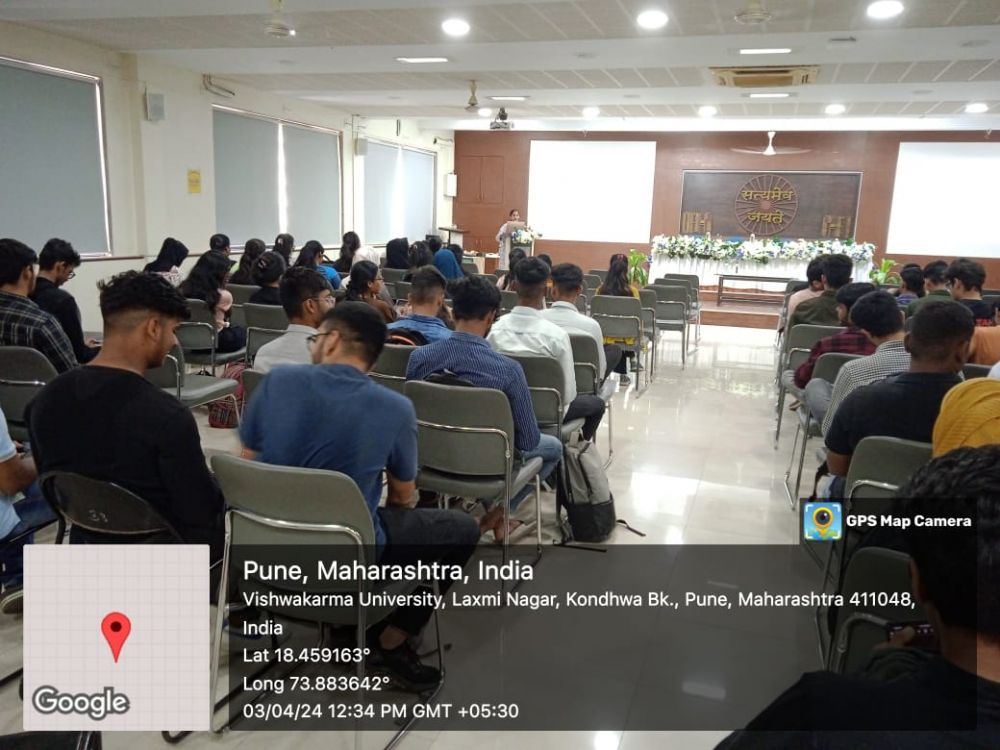
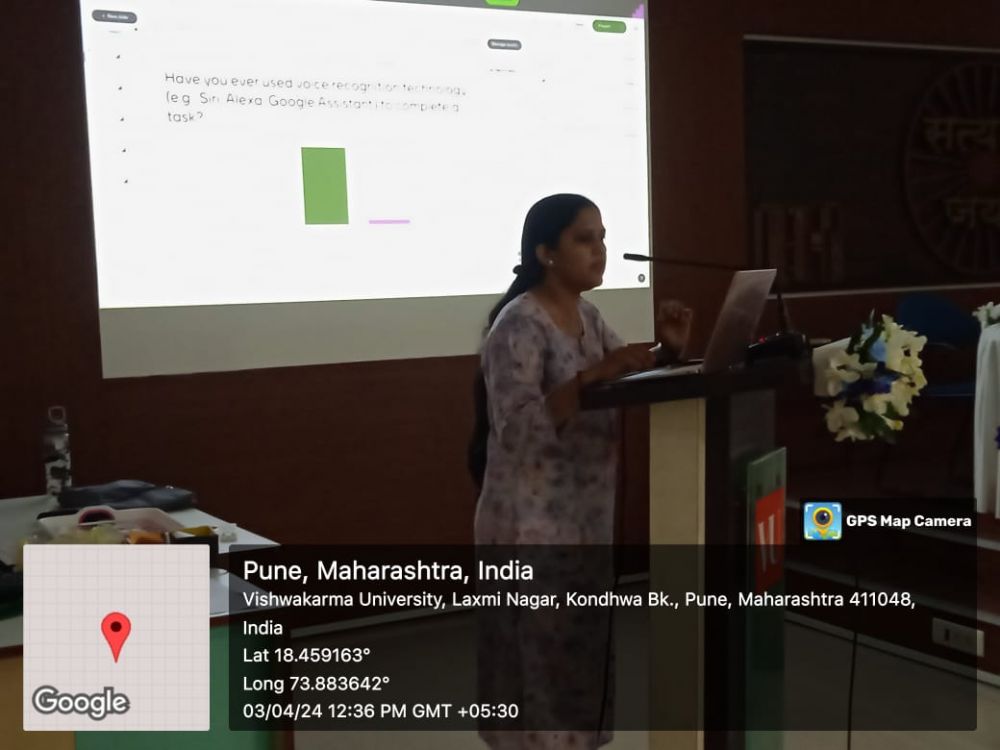
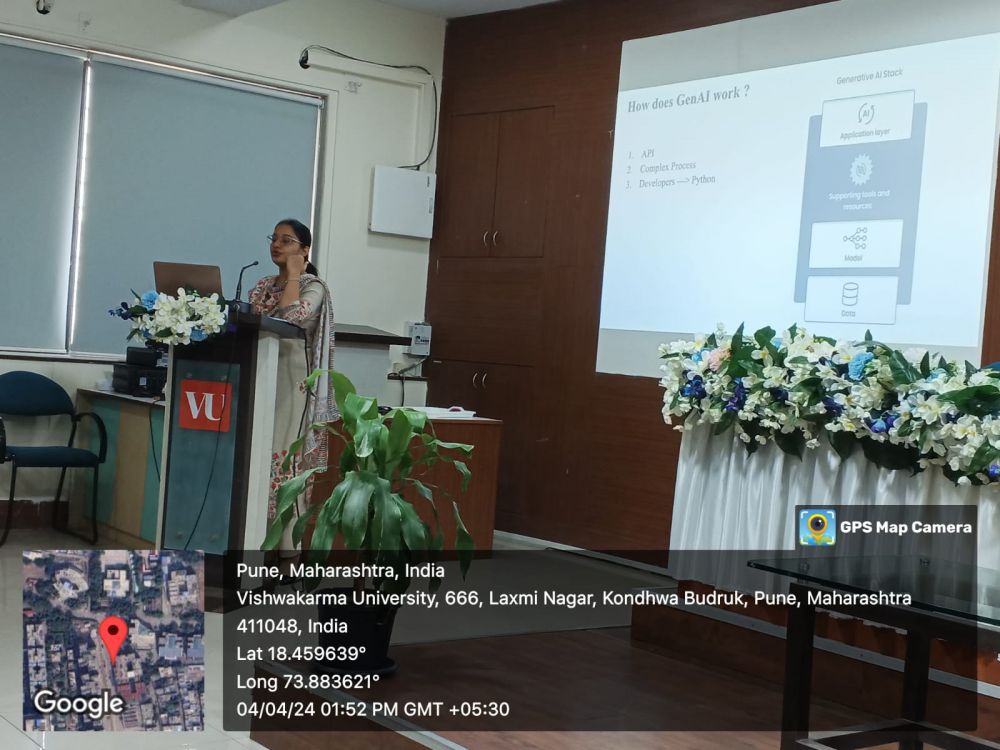
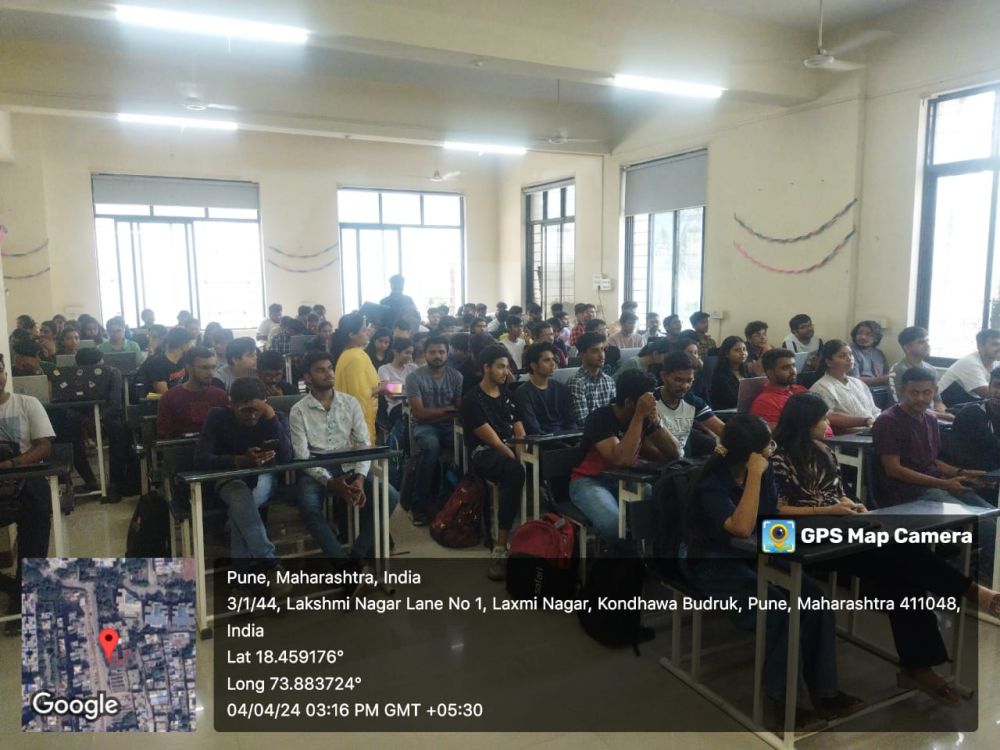
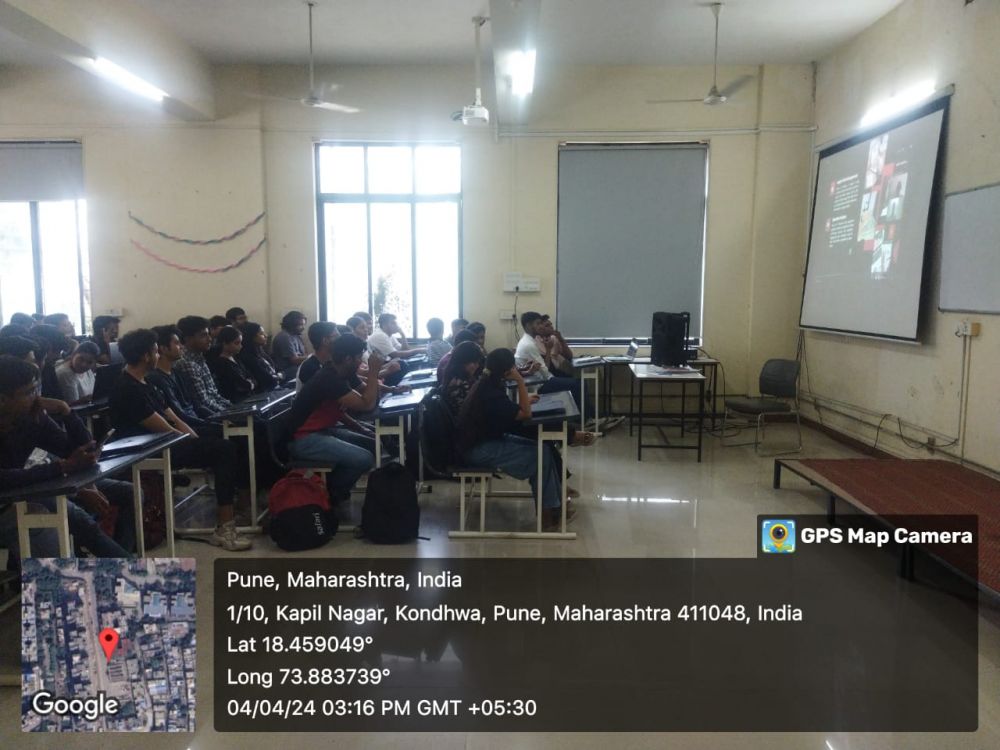
The Alumni students of the Department of Computer Engineering took a proactive step towards fostering knowledge exchange and skill enhancement by organizing a specialized workshop titled "Skills Enhancement Using Power BI with DAX" for third year students. The alumni-led initiative aimed to bridge the gap between academic learning and industry requirements, empowering students with practical insights into data analysis techniques.

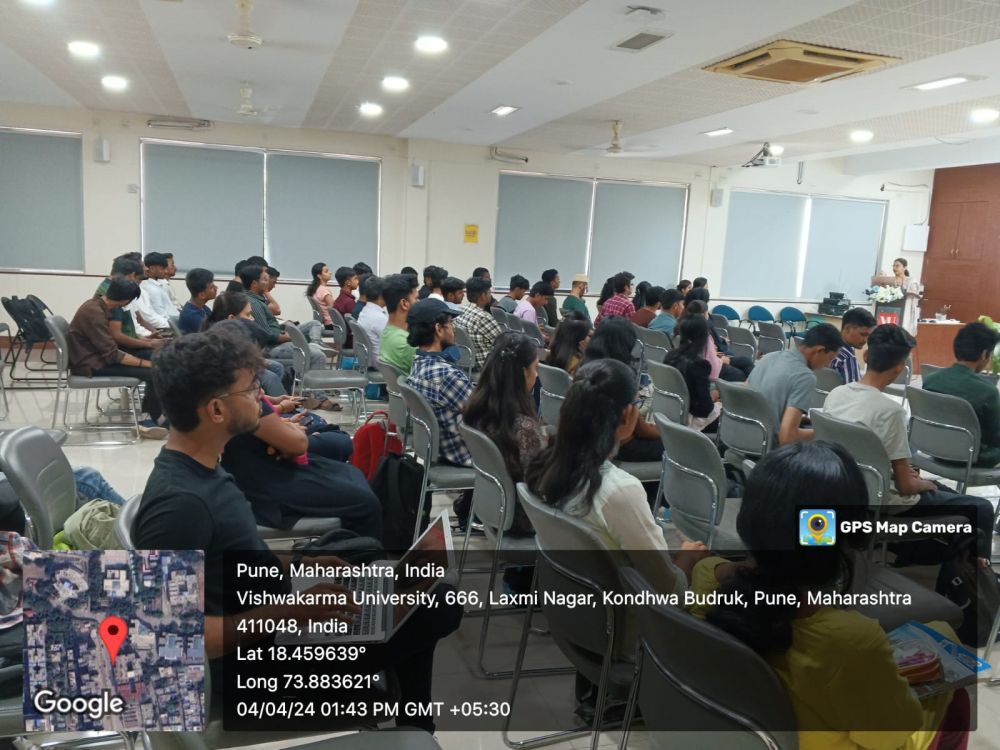
The workshop garnered significant interest, with 123 registrations from third-year Computer Engineering students specializing in the Business Analytics track. This enthusiastic response underscored the eagerness of students to acquire relevant skills that align with industry demands.

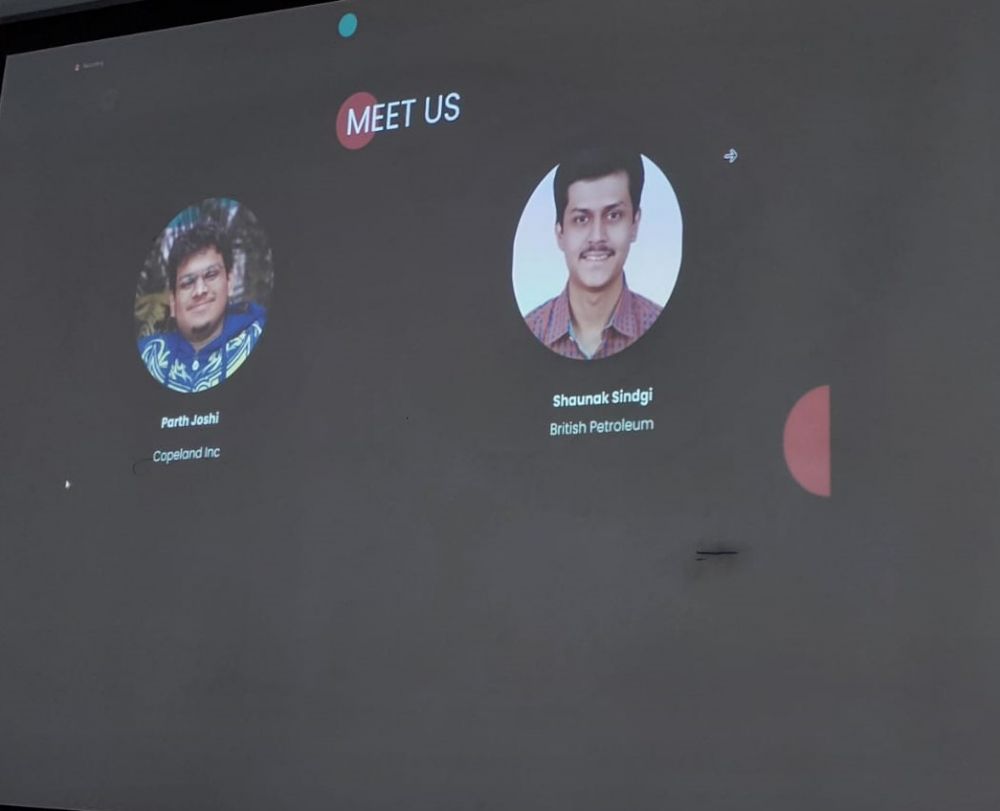
The workshop featured esteemed alumni who have excelled in their respective fields:

  • Mr. Parth Joshi, Copeland INC, Hinjewadi, Pune
  • Mr. Shaunak Sindgi, British Petroleum, Kharadi, Pune

These alumni experts brought a wealth of real-world experience and expertise to the workshop, enriching the learning experience for the participants.

The workshop contents were meticulously designed to cover essential aspects of Power BI and DAX, catering to both foundational and advanced levels. The topics included:

  • Introduction to Power BI and its role in data analysis
  • Advanced techniques for calculations and data modeling using DAX
  • Best practices for effective data visualization and reporting with Power BI

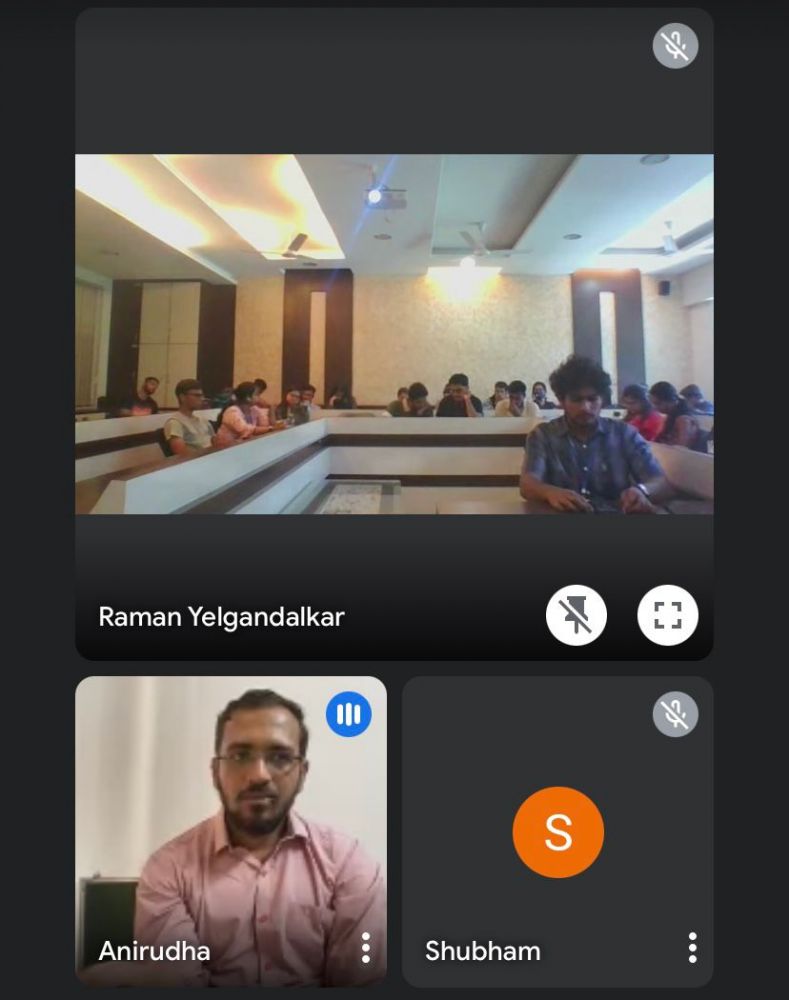
Through the online platform, participants engaged in interactive sessions facilitated by the alumni experts. Practical demonstrations, case studies, and hands-on exercises were incorporated to ensure active participation and deeper comprehension of the subject matter. Following the workshop, an online feedback mechanism was implemented to solicit input from the participants. A total of 88 students provided valuable feedback, expressing appreciation for the initiative and highlighting areas for improvement.

The alumni-led workshop served as a catalyst for skill development and knowledge enhancement among the student community. By leveraging the expertise of alumni, Vishwakarma University reinforced its commitment to providing holistic education that prepares students for the demands of the industry. Moving forward, the Alumni Association endeavors to continue organizing such initiatives to nurture talent and foster a culture of lifelong learning within the university ecosystem.

The alumni-led workshop on "Skills Enhancement Using Power BI with DAX" exemplified the spirit of collaboration and mentorship within the Vishwakarma University community. Through the collective efforts of alumni, faculty, and students, the workshop contributed significantly to the professional growth and academic enrichment of the participants. 

Dr. Kavita S. Kumavat, in her role as the workshop coordinator, made significant effort for the smooth conduction of the Hands-on workshop.


career opportunities in interior design and decoration after 12th

In today’s world, where aesthetics meet functionality, interior design emerges as a beacon for those inclined towards transforming spaces into works of art. If you're standing at the crossroads post-12th, pondering over a career that blends creativity with practicality, diving into an interior design course after 12th could be your calling. This blog unwraps the essentials of pursuing a career in interior design, discussing eligibility, course options, fees, and the broad spectrum of opportunities this field offers.

civil engineering or architecture which career path is right for you


In the realm of engineering and design, two disciplines stand prominently: civil engineering and architecture. Both fields play integral roles in shaping our physical environment, yet they cater to distinct interests, skill sets, and career outcomes. With an increasing number of students and professionals pondering the pivotal question—civil engineering vs architecture—understanding the core differences and intersections between these disciplines is more crucial than ever. Drawing insights from a comparative analysis, this blog aims to elucidate the distinctions and connections between civil engineering and architecture, guiding you towards making an informed decision about your educational and professional journey.

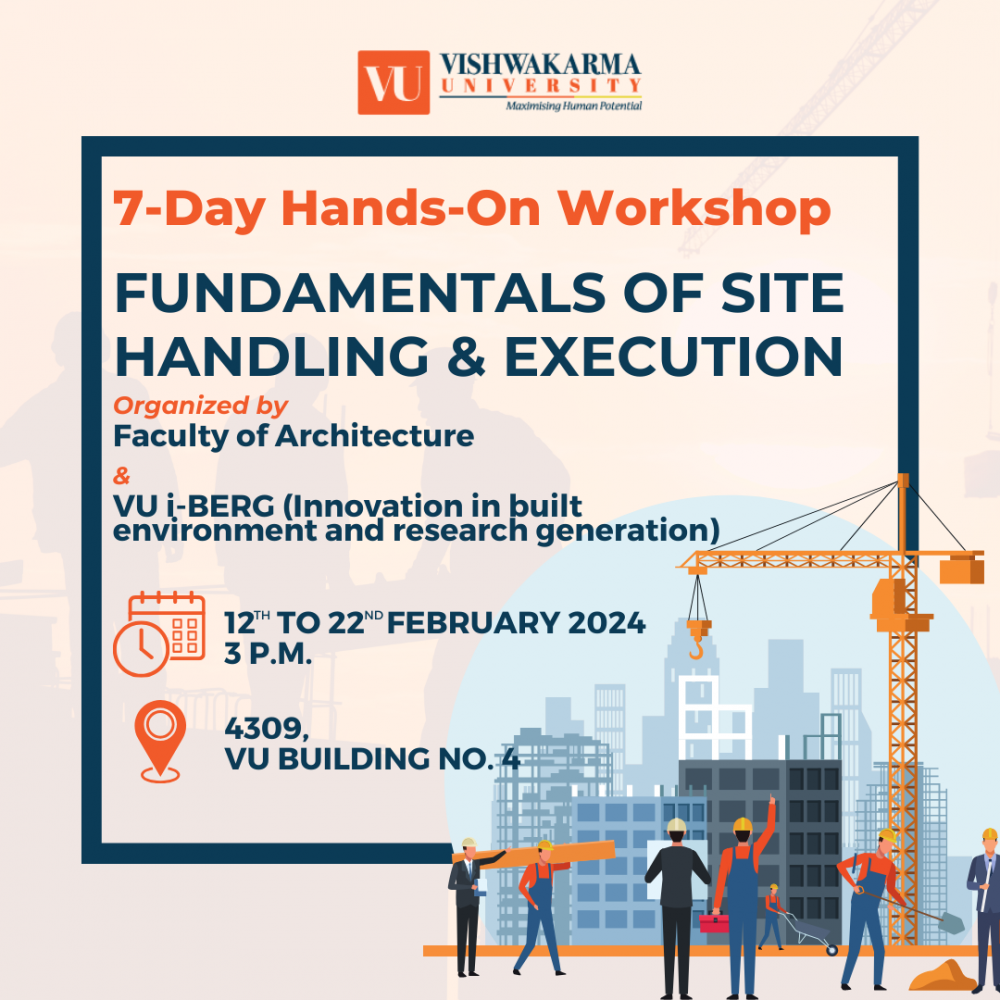
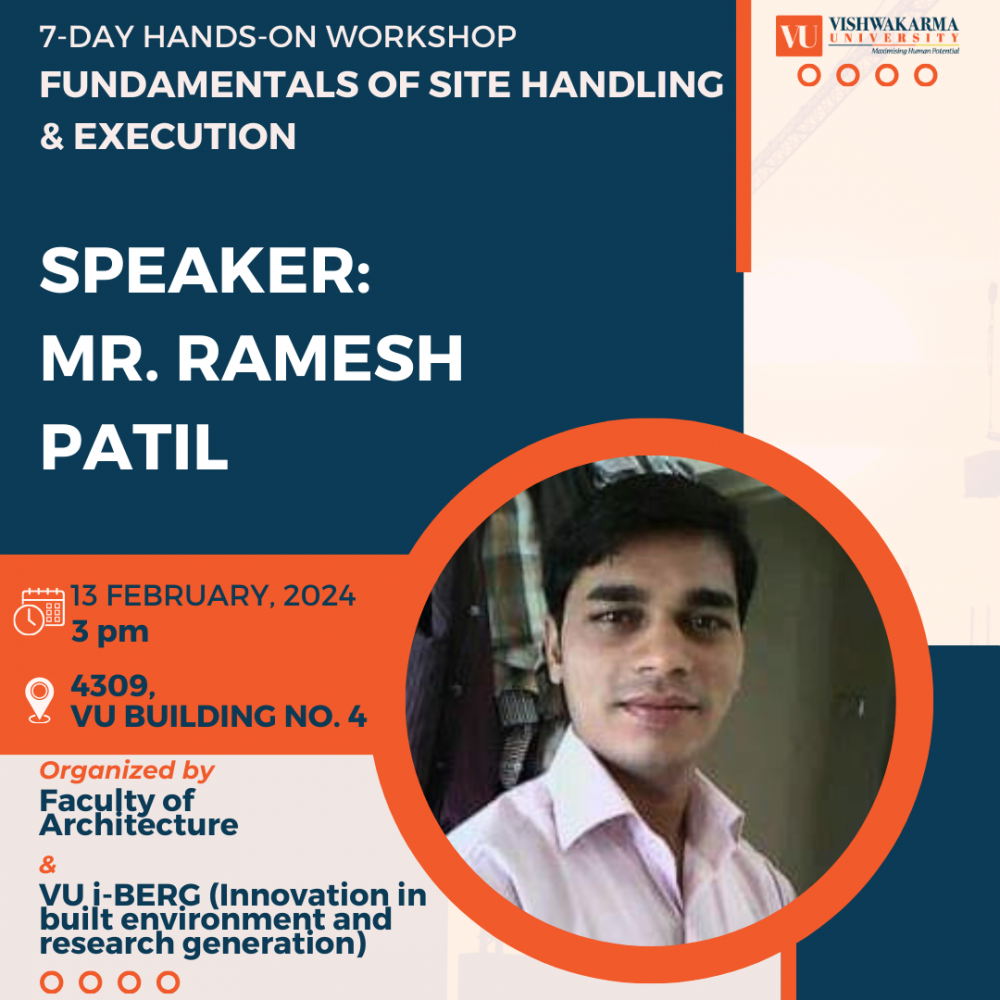
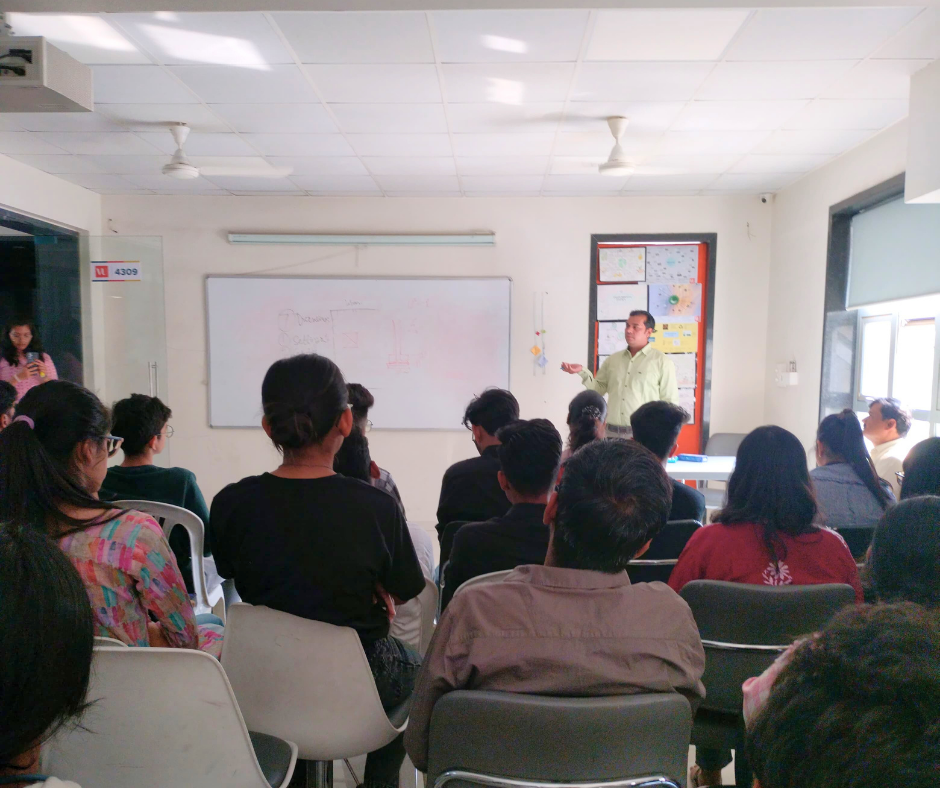
Date: 12th to 22nd February 2024

Location: VU Building No. 4, Room 4309

Purpose: Comprehensive Learning in Construction and Project Management

Department: Faculty of Architecture and  VU i-BERG

Faculty Guides: Prof. Ateka Nulwala and Dr. Shraddha Jadhav

Introduction:

The workshop was a transformative learning experience designed to bridge the gap between theoretical knowledge and practical application in construction and project management. It played a pivotal role in equipping participants with the essential skills and insights required for effective site handling and execution.

Objectives:

  1. Provide participants with a comprehensive understanding of crucial aspects in construction and project management.
  2. Foster a holistic learning experience by bridging the gap between theoretical knowledge and practical application.

Activities:

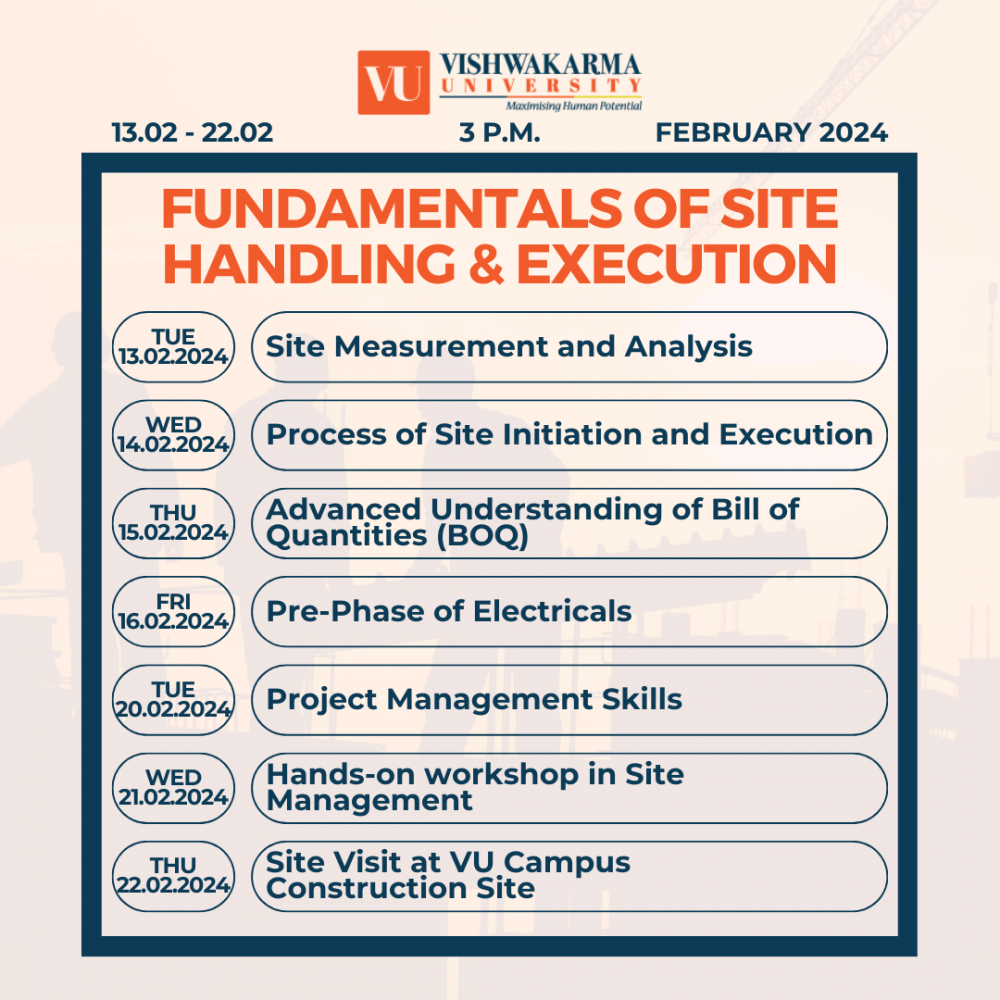
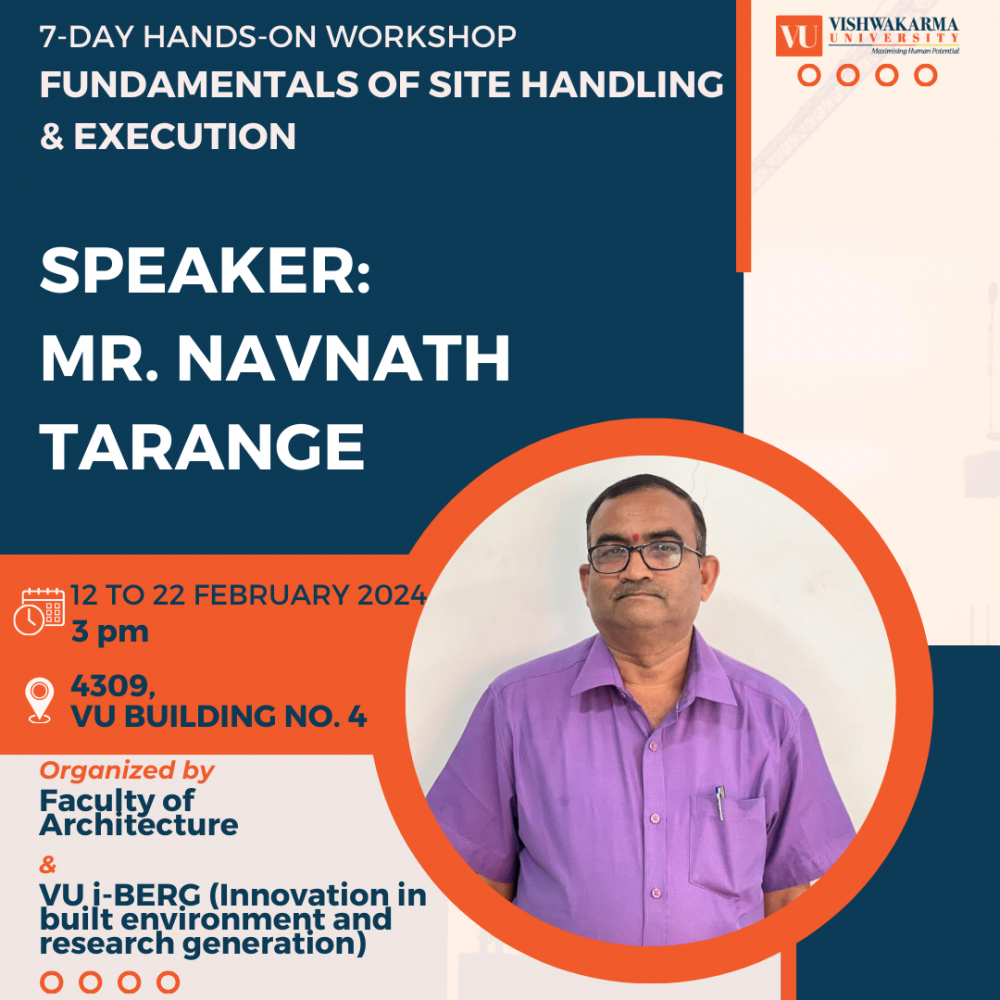
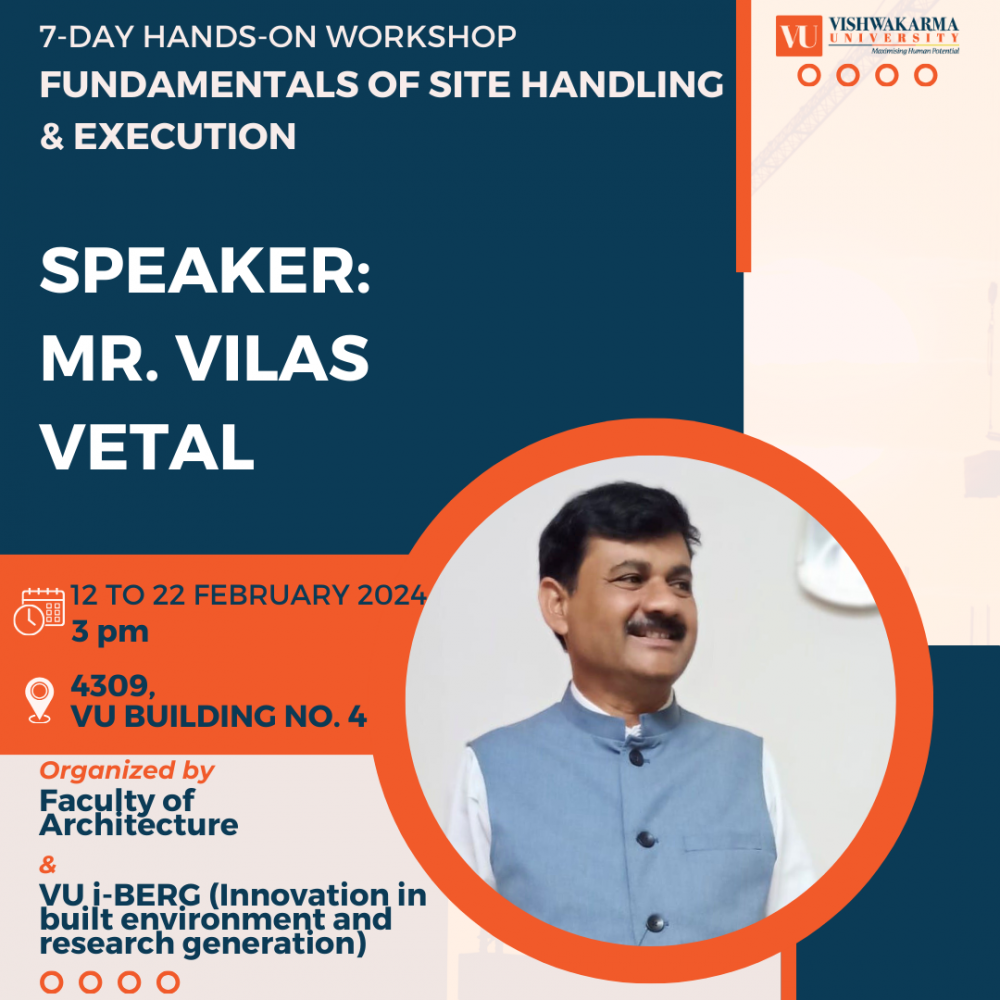
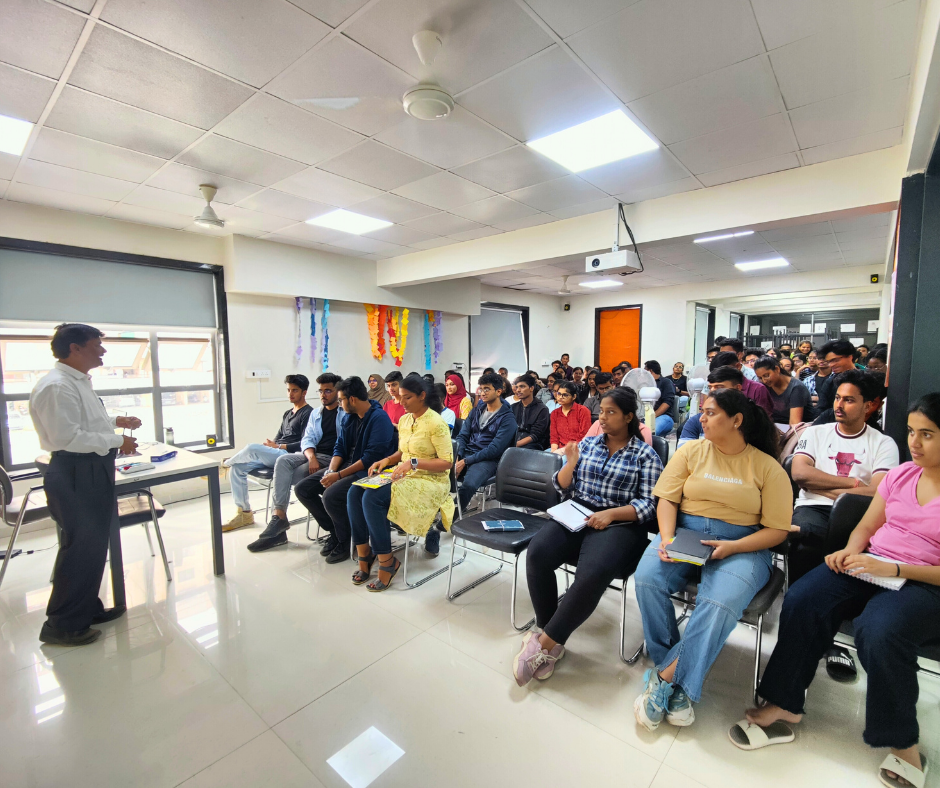
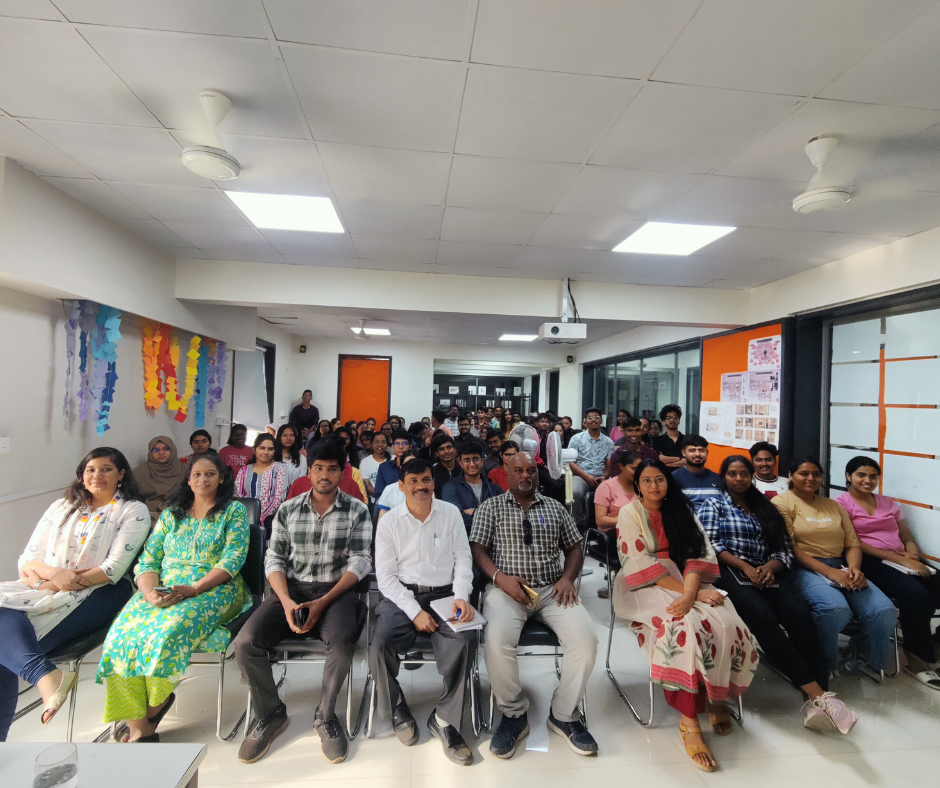
  1. Daily Workshops: Engaging sessions led by industry experts covering topics from site measurement to project management skills.
  2. Hands-on Workshop: Participants actively applied learned principles in a simulated site management scenario.
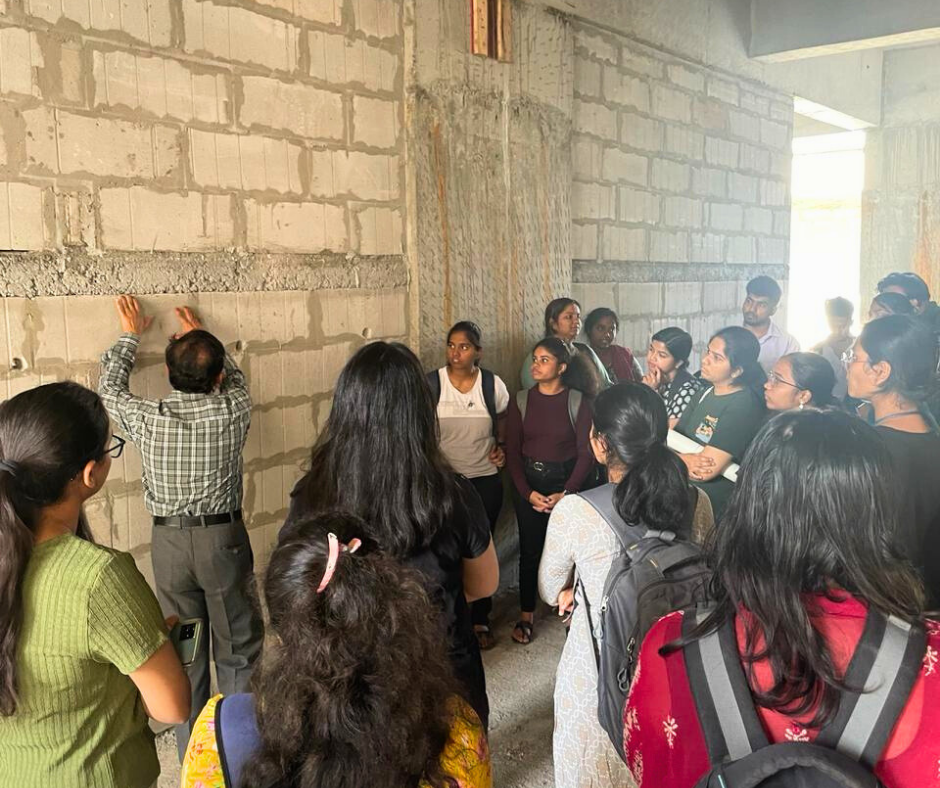
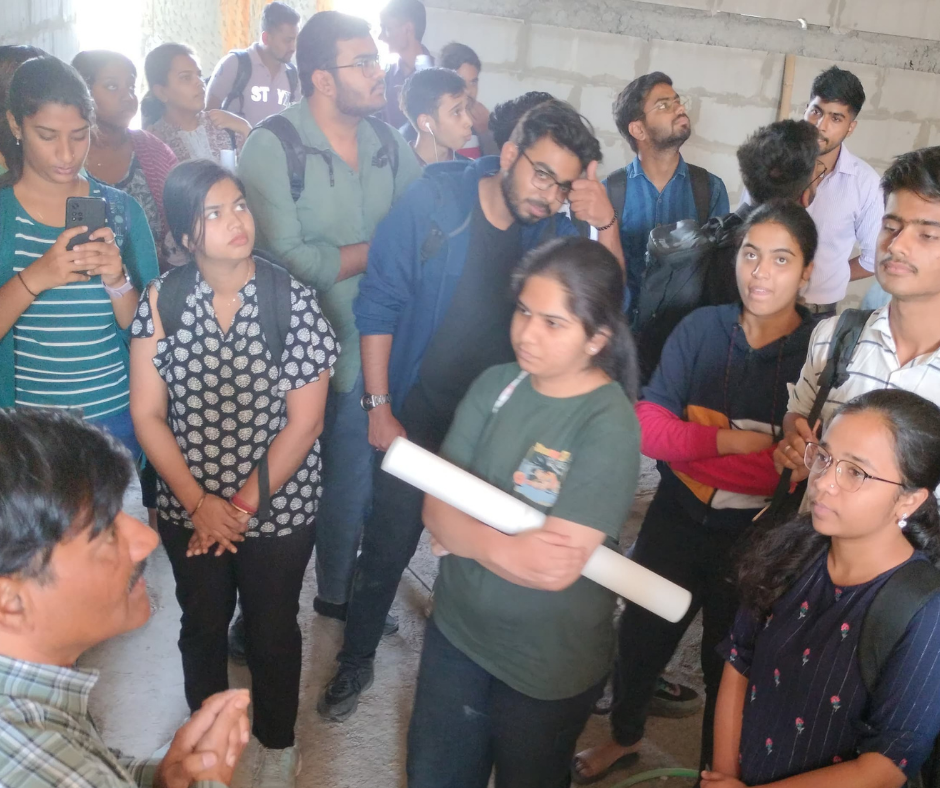
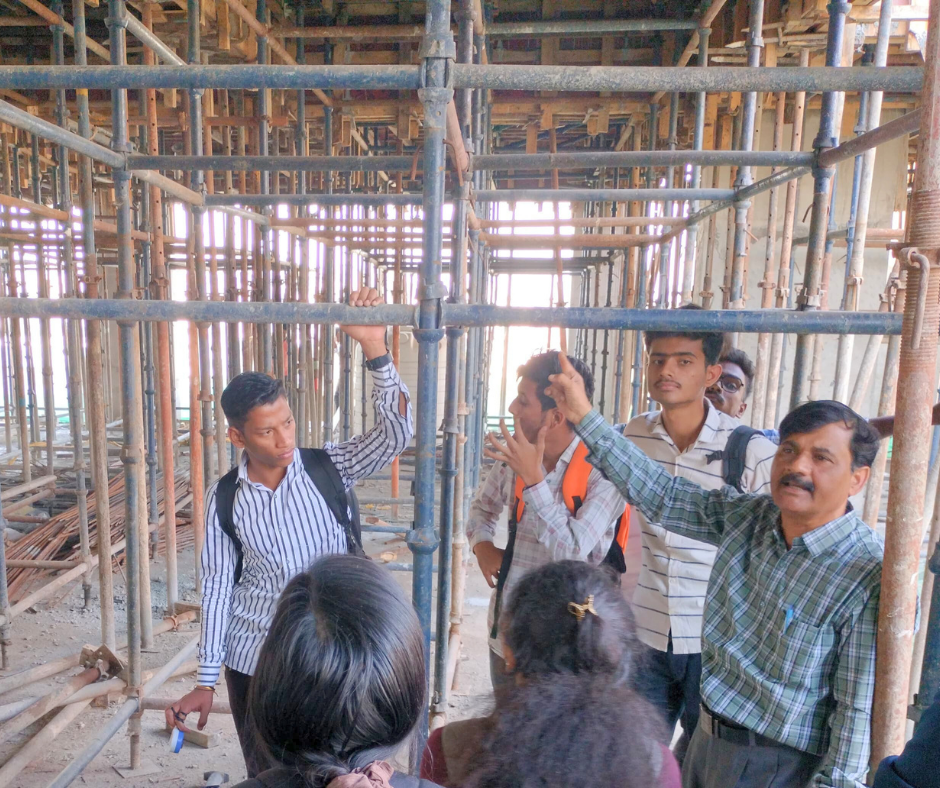
  3. Site Visit: A practical session at the VU Campus Construction Site, enabling the application of knowledge in real-world scenarios.

Agenda and Speakers:

  1. Day 01 to Day 06: Daily workshops on various topics with industry experts.
  2. Day 07: Site Visit at VU Campus Construction Site - Practical Session: Applying Knowledge in Real-World Scenarios.

Key Learnings:

  1. Site Measurement Techniques: Understanding various techniques for accurate site measurement and analysis.
  2. Seamless Workflow Initiation: Insight into the processes involved in site initiation and execution for successful project commencement.
  3. BOQ Understanding: Advanced knowledge of the Bill of Quantities (BOQ) and its role in project cost estimation.
  4. Pre-Phase Electrical Planning: Navigating the electrical pre-phase in the early stages of a project.
  5. Project Management Skills: Developing essential skills in leadership, communication, risk assessment, and project delivery.
  6. Latest Industry Trends: Exploring emerging trends and technologies shaping the field of site management.


s
Wednesday, 03 April 2024 12:20

Industrial Visit to Featherlite Collections

Date: February 15, 2024

Location: Featherlite Collections, Choice Apartment, Opp Ruby Hall Clinic, Balkrishna Sakharam Dhole Patil Rd, Sangamvadi, Pune, Maharashtra 411001

Purpose: Industry Visit for Interior Design Students of BAID and MAID

Course: Design Studio I and Furniture Design

Department: Interior Spaces

Faculty Guides: Prof. Ateka Nulwala, Dr. Shraddha Jadhav, Prof. Apurva Thosar and
Prof. Amruta Gangakhedkar

Introduction:

The Department of Interior Spaces is delighted to share the success of the Industrial Visit to Featherlite Collections, which took place on 15th February 2024. This visit provided students with a unique opportunity to explore the renowned Featherlite brand and gain insights into its innovative furniture manufacturing processes. Featherlite, a pioneer in the furniture industry, has become synonymous with intelligent, well-designed furniture desired by consumers, enterprises, and corporates across sectors and industries. Founded in 1965 by Gopal Ramnarayan, Featherlite soon emerged as an industry leader in furniture manufacturing, with a commitment to sustainable practices.

Highlights:

  1. Guided Tour: Upon arrival, students were greeted by the Featherlite team and embarked on a guided tour of the facility. They explored the sprawling 5,00,000 square feet factory, witnessing firsthand the intricate processes involved in furniture manufacturing.
  2. Sustainable Manufacturing: Students learned about Featherlite's commitment to sustainable manufacturing and becoming carbon negative. The company's 100% solar-powered factory and Zero Waste endeavor were particularly enlightening.
  3. Customized Solutions: Featherlite's expertise in providing cost-effective, customized space and furniture solutions for various sectors was showcased during the visit. Students gained insights into the process of executing major multi-location projects while prioritizing customer requirements and sustainability.

Activities:

During the Industrial Visit to Featherlite Collections, students were immersed in a world of innovation and sustainability within the furniture manufacturing industry. Upon arrival, they were warmly welcomed by the Featherlite team and guided through the expansive factory premises. As they traversed through the facility, students witnessed firsthand the intricate processes involved in crafting intelligent and well-designed furniture. Engaging with industry professionals, students gained insights into Featherlite's commitment to sustainable manufacturing, exemplified by their 100% solar-powered factory and Zero Waste endeavor. The visit provided a unique opportunity for students to learn about Featherlite's customized space and furniture solutions, executed with a meticulous focus on customer requirements, aesthetics, ergonomics, and sustainability-first values. Through interactive discussions and guided tours, students expanded their knowledge of innovative design practices and emerged with a deeper appreciation for the fusion of creativity and sustainability in the furniture industry.

Key Learnings:

  1. Innovative Practices: Students gained valuable insights into Featherlite's innovative design and manufacturing processes, enhancing their understanding of the furniture industry's dynamics.
  2. Sustainability Focus: The visit underscored the importance of sustainability in modern manufacturing practices, inspiring students to incorporate eco-friendly principles into their future design projects.
  3. Industry Exposure: Interacting with industry professionals at Featherlite provided students with invaluable networking opportunities and practical knowledge that complemented their academic learning.


Date: February 14, 2024

Location: Crecimiento Modular Components India Pvt. Ltd., Pisoli, Pune, Maharashtra 411048.

Purpose: Industry Visit for Interior Design Students

Course: Design Studio I

Department: Interior Spaces

Faculty Guides: Prof. Ateka Nulwala and Dr. Shraddha Jadhav

Introduction:

The Industrial Visit offered students a firsthand glimpse into the innovative practices and cutting-edge technology utilized by Crecimiento Modular Components, a leading manufacturer of modular furniture components. Participants had the opportunity to explore the smart factory infrastructure and gain a comprehensive understanding of the manufacturing process.

Highlights:

  1. Smart Factory Tour: Participants were guided through the state-of-the-art facilities, witnessing the seamless integration of automation and advanced machinery.
  2. Manufacturing Process: Students observed every stage of modular furniture production, from design conceptualization to final assembly, gaining insights into the precision and attention to detail required.
  3. Technological Advancements: The visit showcased the latest technologies employed by Crecimiento Modular Components to enhance efficiency and quality, leaving a lasting impression on participants.
  4. Sustainability Initiatives: Students learned about the company's commitment to sustainability, including eco-friendly materials and energy-efficient practices, inspiring them to prioritize sustainability in their future endeavors.

Activities:

Upon arrival at Crecimiento Modular Components, students were warmly welcomed by the management team and immersed into the realm of cutting-edge manufacturing and smart factory operations. The visit commenced with an expert-guided tour, unveiling the intricacies of modular furniture production. Students explored various sections of the facility, including the production floor, quality control stations, and assembly areas, gaining firsthand insight into the manufacturing process.

Throughout the tour, instructors emphasized the importance of precision engineering and quality assurance in modular furniture production. Prof. Ateka Nulwala and Dr. Shraddha Jadhav provided insightful commentary on the technological advancements and innovative practices adopted by Crecimiento Modular Components. Students were encouraged to engage critically, asking questions and actively participating in discussions to deepen their understanding.

Following the tour, a Q&A session with the company's manufacturing experts provided students with the opportunity to delve into the intricacies of modular furniture production. They gained insights into the decision-making processes, challenges faced, and the significance of automation and efficiency in modern manufacturing facilities. Additionally, students received an overview of the company's sustainability initiatives, underscoring the importance of eco-friendly practices in contemporary manufacturing processes.

Key Learnings:

  1. Practical Application: Participants gained practical knowledge and industry insights that complemented their theoretical understanding of interior design.
  2. Professional Networking: The visit provided valuable networking opportunities, allowing students to connect with industry professionals and explore potential career paths.
  3. Inspiration for Design: Students drew inspiration from the innovative approaches and technological advancements witnessed during the visit, igniting their creativity and passion for design.


Date: February 13, 2024

Location: Vishwakarma University's BRACT Office, Gultekdi, Pune

Purpose: Study Visit for Interior Design Students

Course: Design Studio I

Department: Interior Spaces

Faculty Guides: Prof. Ateka Nulwala and Dr. Shraddha Jadhav

Introduction:

The Interior Design students of Vishwakarma University embarked on a journey of exploration and learning, stepping into the corporate realm at the BRACT office in Gultekdi. This visit, intricately woven into the curriculum of Design Studio I, aimed to deepen students' comprehension of spatial planning and design elements within the context of a corporate office.

Objectives:

  1. Observe the practical implementation of space planning and design principles.
  2. Understand the functionality and aesthetics of a well-designed corporate office.
  3. Interact with professionals to gain insights into real-world challenges and solutions in interior design.

Activities:

Upon arrival, students were greeted by the management team at the BRACT office and were ushered into the realm of corporate design. The visit commenced with a guided tour, unveiling the intricacies of the office's design. Students explored various zones, including the reception area, workspaces, meeting rooms, and collaborative zones.

Throughout the tour, Prof. Ateka Nulwala and Dr. Shraddha Jadhav provided insightful commentary on design features, layout optimization, and space utilization. Students were encouraged to engage critically, fostering a deeper understanding through observation and inquiry.

Post the tour, a Q&A session with the office's interior design team allowed students to delve into the decision-making processes, challenges faced, and the significance of collaboration in design projects. An overview of technological advancements and sustainable practices incorporated into the office design was also provided, aligning with contemporary trends in interior design.

Key Learnings:

  1. Understanding the synergy between functionality and aesthetics in corporate office design.
  2. Recognizing the importance of space utilization and layout optimization for enhanced productivity and well-being.
  3. Gaining insights into real-world challenges and practical solutions in interior design.
  4. Appreciating the role of interdisciplinary collaboration and innovation in crafting dynamic work environments.


Organized by: Department of Interior Spaces, Faculty of Architecture

Date: 21st February 2024

Time: 10:00 A.M. to 01:00 P.M.

Venue: Auditorium, Eco Campus Building (No.1)

Conducted by: Mr. Tushar Dastane and Mr. Francis - CEO Diligent Enterprises

Purpose:

This guest session is strategically designed to delve into the intricate world of acoustic materials, offering participants valuable insights into their significance within interior design. Mr. Tushar Dastane and Mr. Francis, with their expertise, provided a deep understanding of the role of acoustic materials in creating harmonious and functional interior spaces.

Learning Highlights:

During the guest lecture, students explored the following topic:

  1. Introduction to Acoustic Materials: Understanding the importance and various types of acoustic materials in interior design.
  2. Application in Design: Exploring practical applications of acoustic materials to enhance the functionality and aesthetics of interior spaces.
  3. Case Studies: Examining real-world examples and case studies showcasing successful integration of acoustic materials in diverse projects.
  4. Q&A Session: An interactive opportunity for attendees to engage with the guest speakers, ask questions, and gain additional insights.


Date: 14th February 2024

Time: 1:00 pm to 3:00 pm

Venue: INTERIOR SPACES DEPARTMENT

Subject: BAID22405 – PRINCIPLES & APPLICATIONS OF VASTUSHASTRA

Semester: BAID IV Semester

Conducted by: Mrs. Tejaswini Shukla

Purpose:

This guest lecture aimed to provide students with a deeper understanding of the practical applications and principles of Vastushastra. By delving into the core aspects of this ancient architectural science, students gained valuable insights that bridge theoretical knowledge with real-world applications.

Learning Highlights:

During the guest lecture, students learnt the following:

  1. Fundamental Principles: An overview of the foundational principles that underpin Vastushastra and its relevance in contemporary interior design.
  2. Practical Applications: Insights into how Vastushastra principles can be practically applied in the context of interior spaces, enriching design practices.
  3. Case Studies: Illustrations and case studies demonstrating successful implementations of Vastushastra in various design projects.
  4. Interaction and Q&A: An opportunity for students to engage with the guest speaker, ask questions, and deepen their understanding of Vastushastra.


Page 32 of 103

Copyright © Vishwakarma University, Pune 2026 All rights reserved..

[Best viewed in IE 10+, Firefox, Chrome, Safari, Opera.]

Powered by  

Programme Brochures
Apply for Admission
Register for VUNET
Register for VUPET
Ph.D Enquiry