Day/Date:Thursday, 2nd April 2026
Activity organised by:Ar. Nikita Mahajani
Activity organised for:Third Year B.Arch students (Architectural Design-V)
Number of participants:4 students
SDG’s mapped:SDG 11 – Sustainable Cities and Communities
Brief description of the activity:
A site visit was conducted at Patil Plaza, Pune, to help students understand the spatial planning and functional zoning of a commercial complex through a real-time case study. The visit focused on analyzing circulation patterns, accessibility, façade treatment, material usage, and integration of services within a mixed-use environment, enabling students to relate theoretical concepts with practical implementation.
Day/Date:Wednesday, 8th April 2026
Activity organised by:Ar. Nikita Mahajani
Activity organised for:Third Year B.Arch students (Architectural Design-V)
Number of participants:4 students
SDG’s mapped:SDG 11 – Sustainable Cities and Communities
Brief description of the activity:
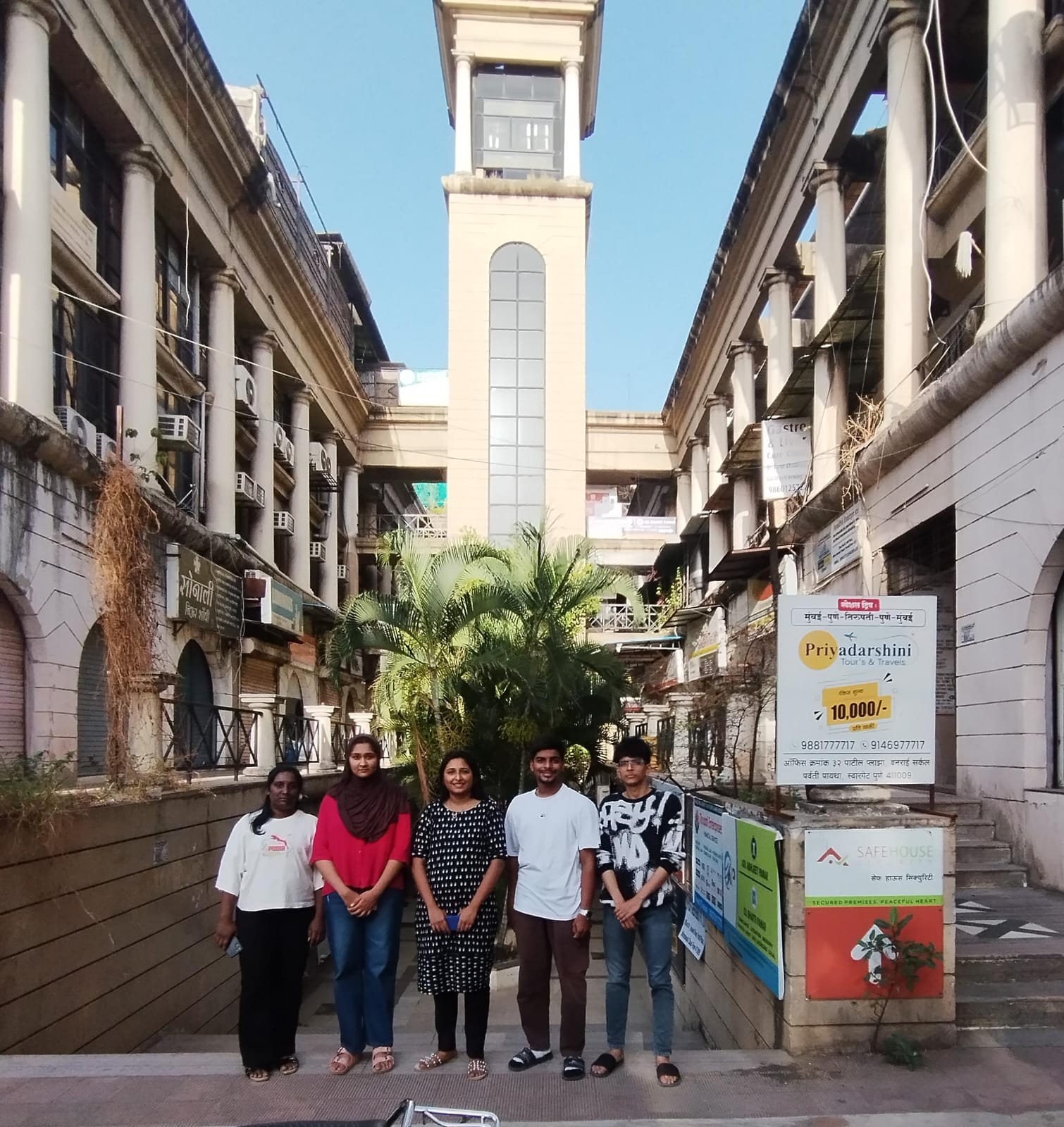
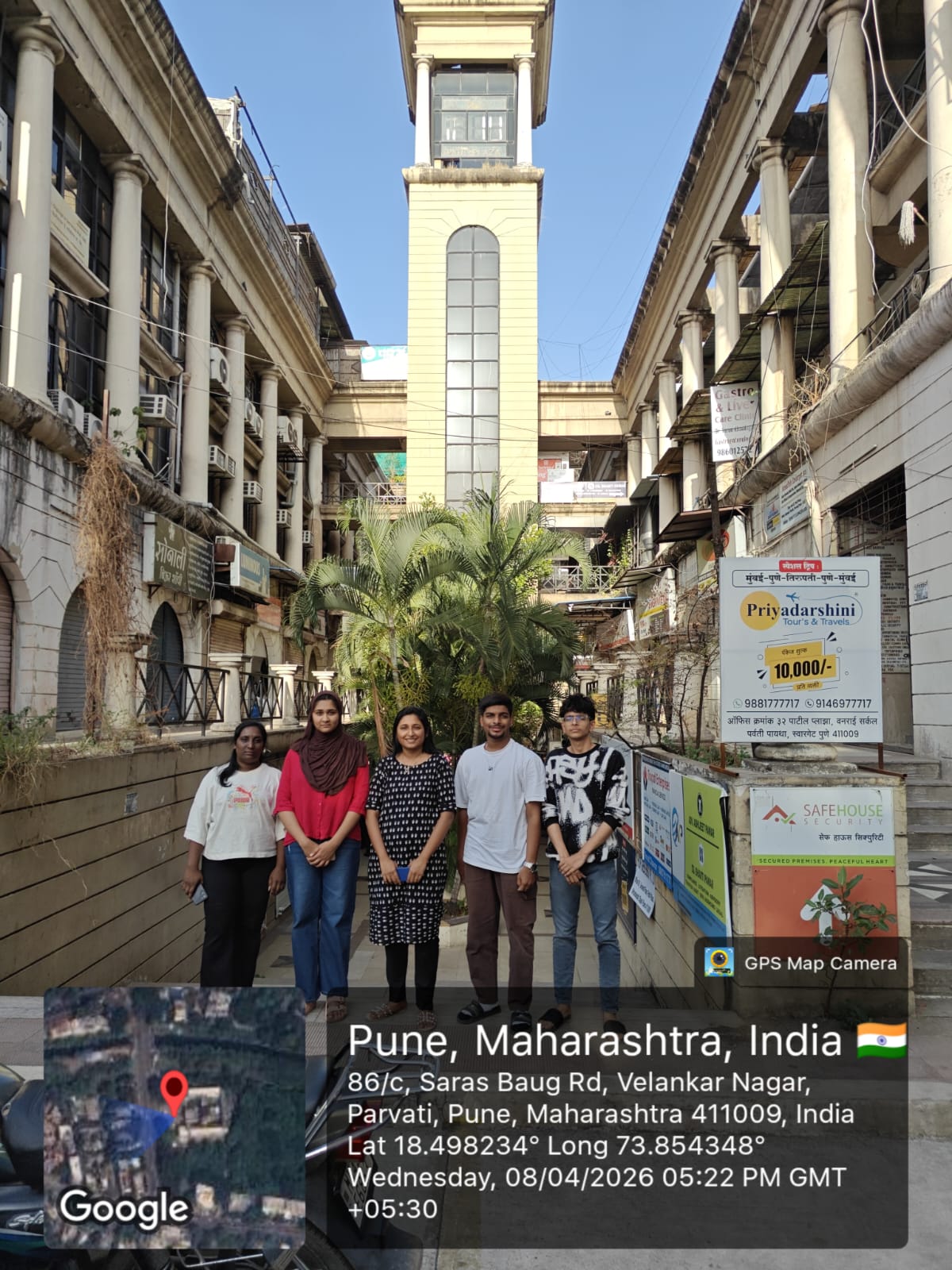
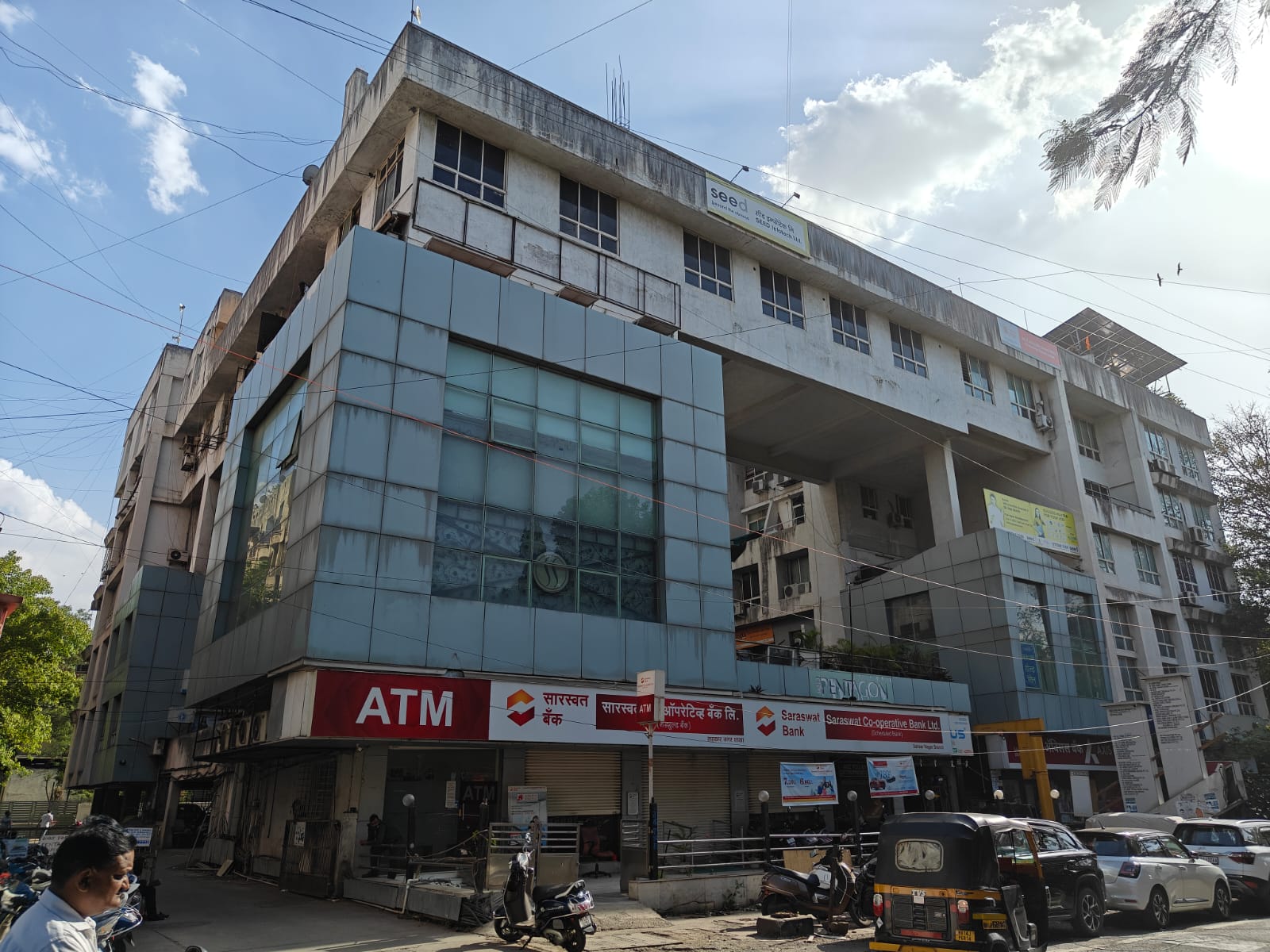
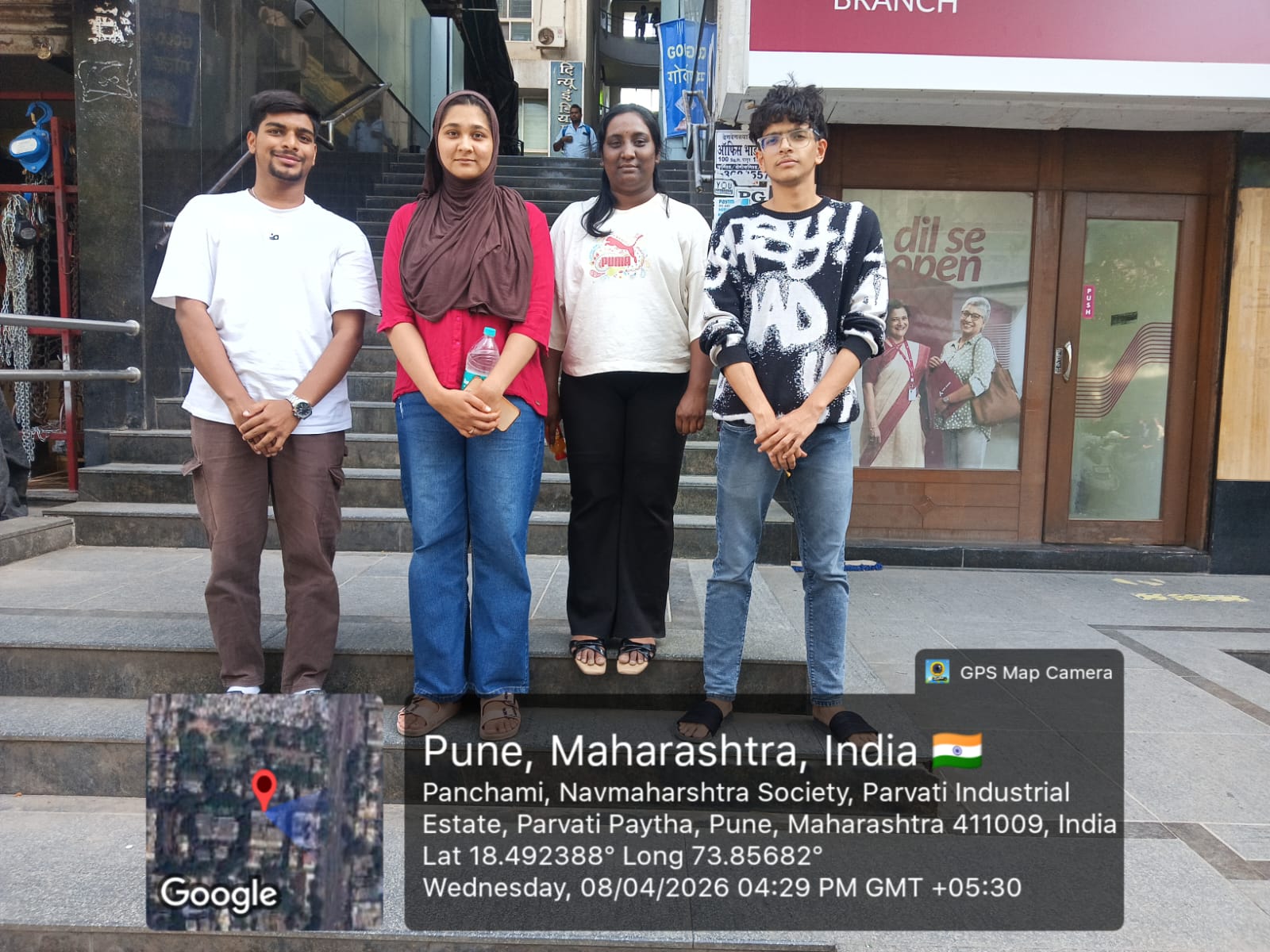
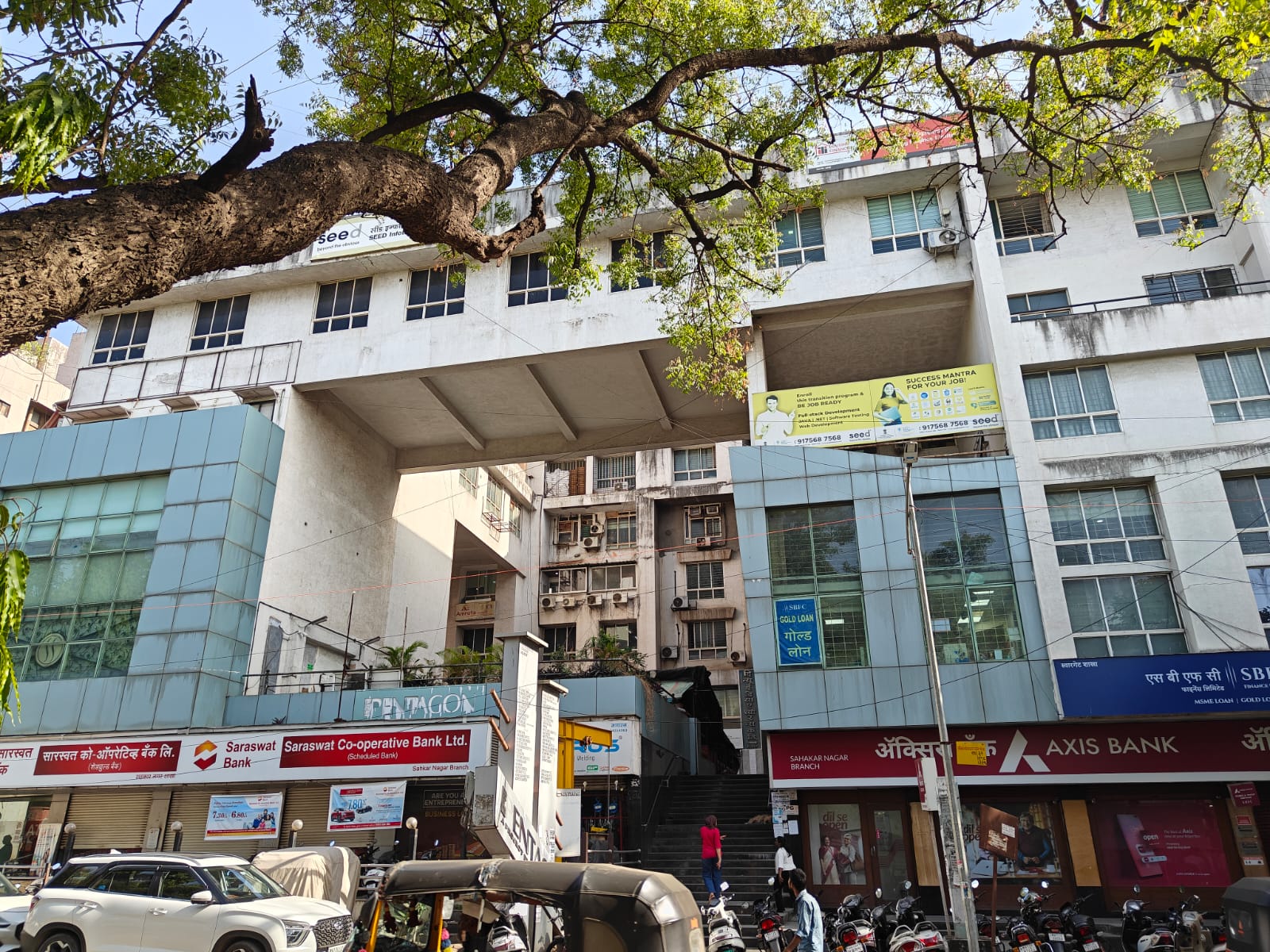
A site visit was conducted at Pentagon, Pune to enable students to study the spatial planning and functional zoning of a commercial complex through a real-time case study. The activity focused on understanding circulation patterns, user movement, accessibility, façade treatment, material usage, and integration of services, helping students connect theoretical knowledge with practical architectural applications.
.jpeg)
Day/Date:
Wednesday, 8th April 2026
Activity organised by:
Ar. Nikita Mahajani
Activity organised for:
Third Year B.Arch students (Architectural Design-V)
Number of participants:
4 students
SDG’s mapped:
SDG 11 – Sustainable Cities and Communities
Brief description of the activity:
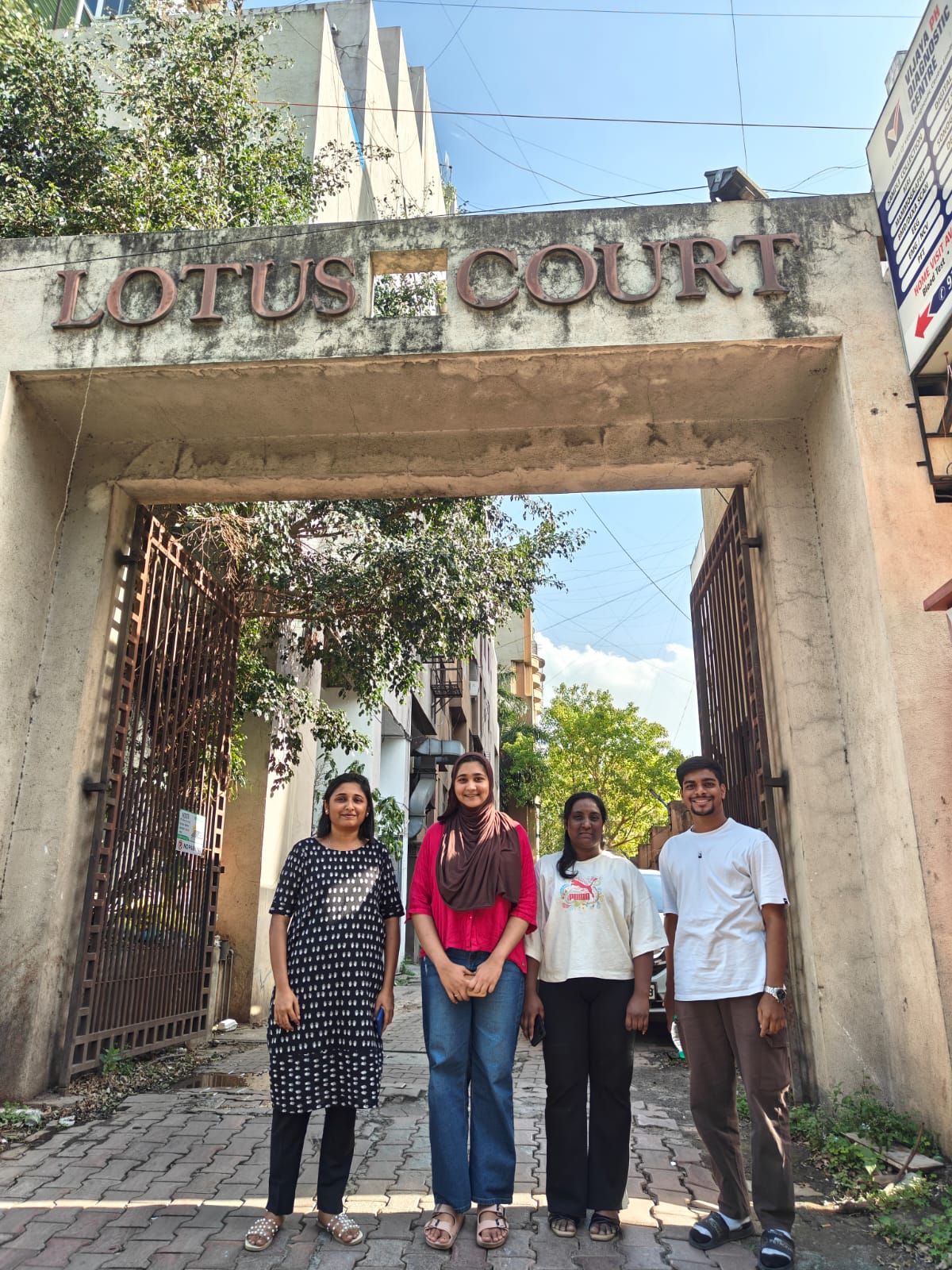
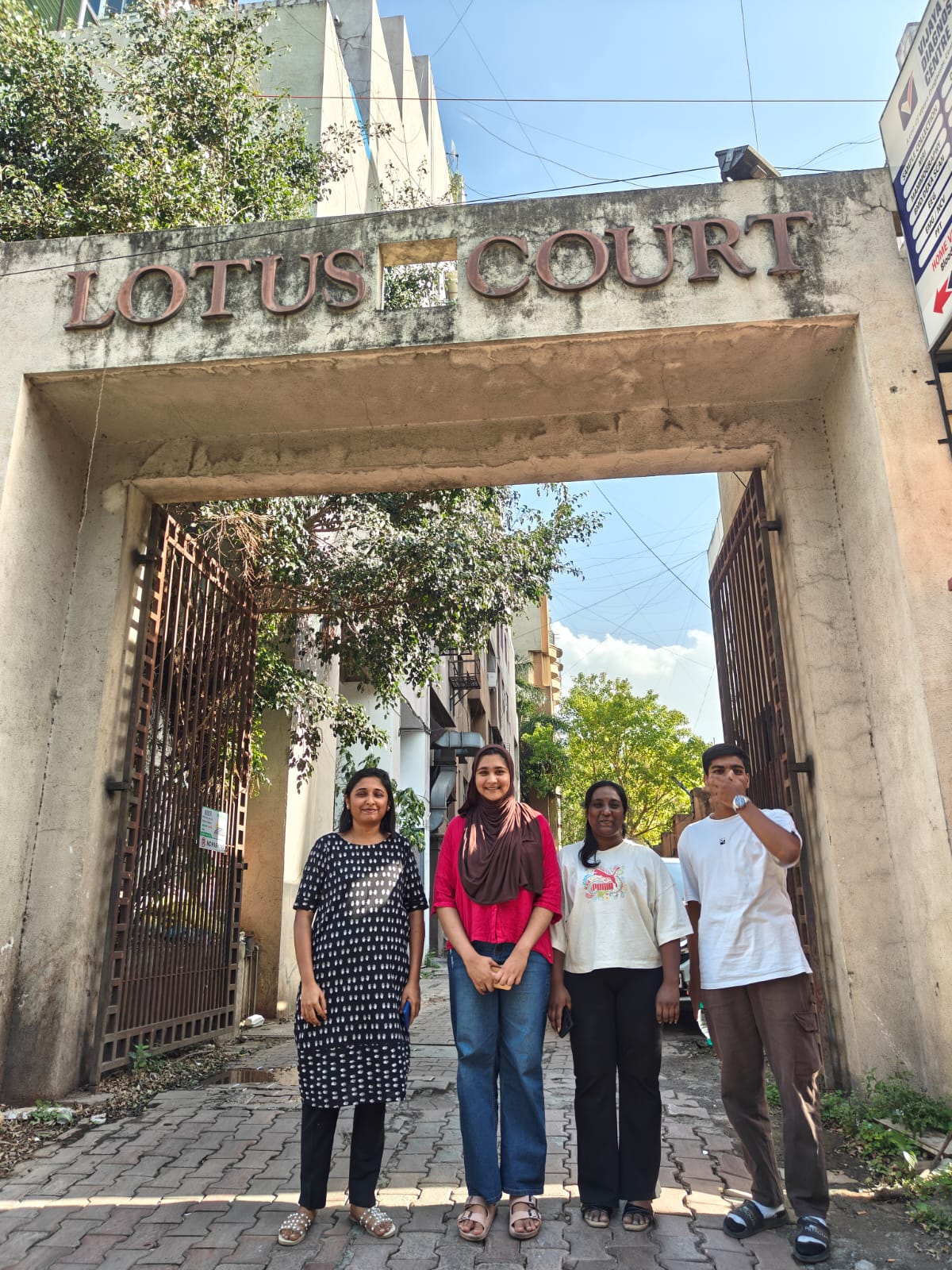
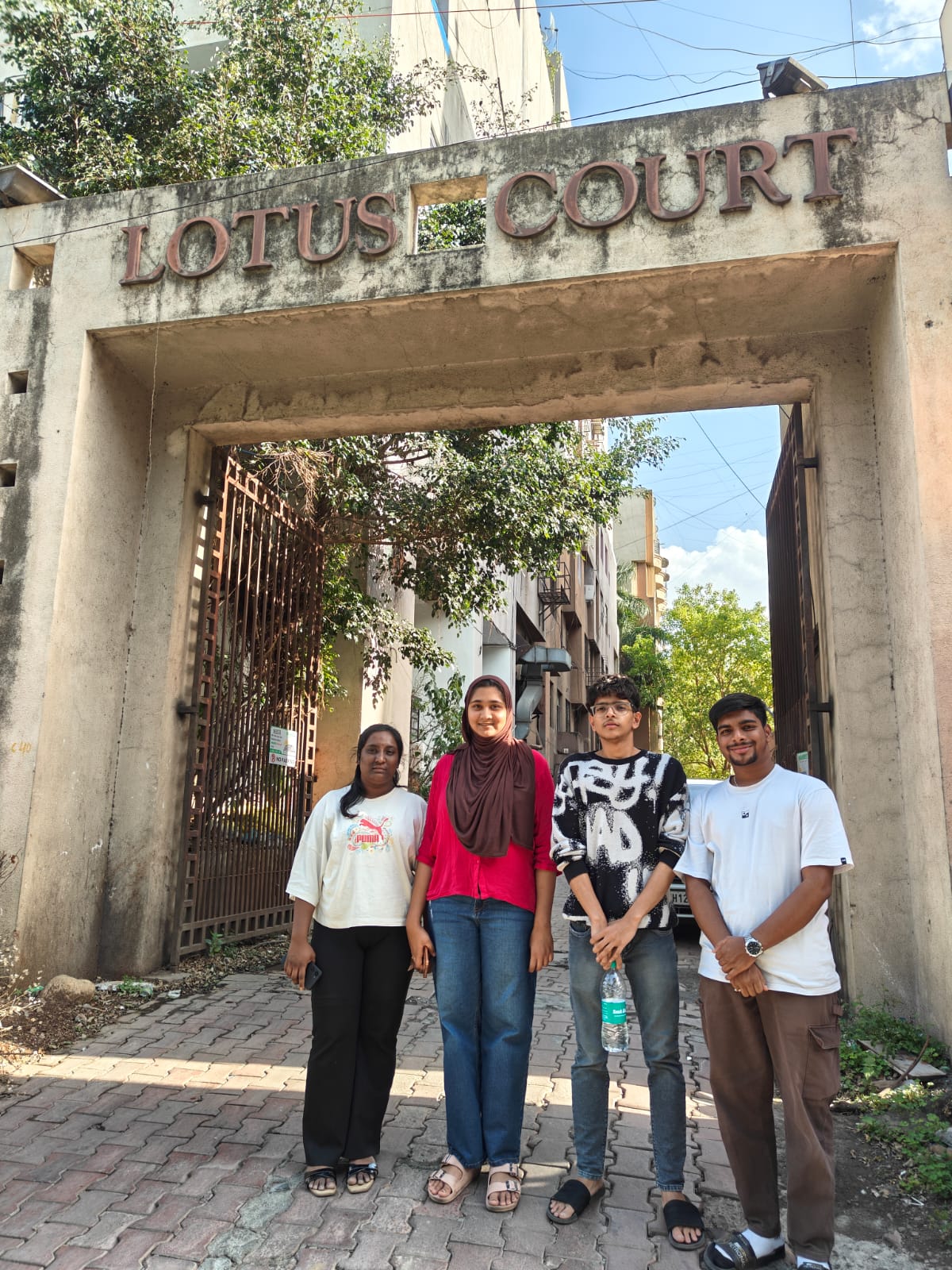
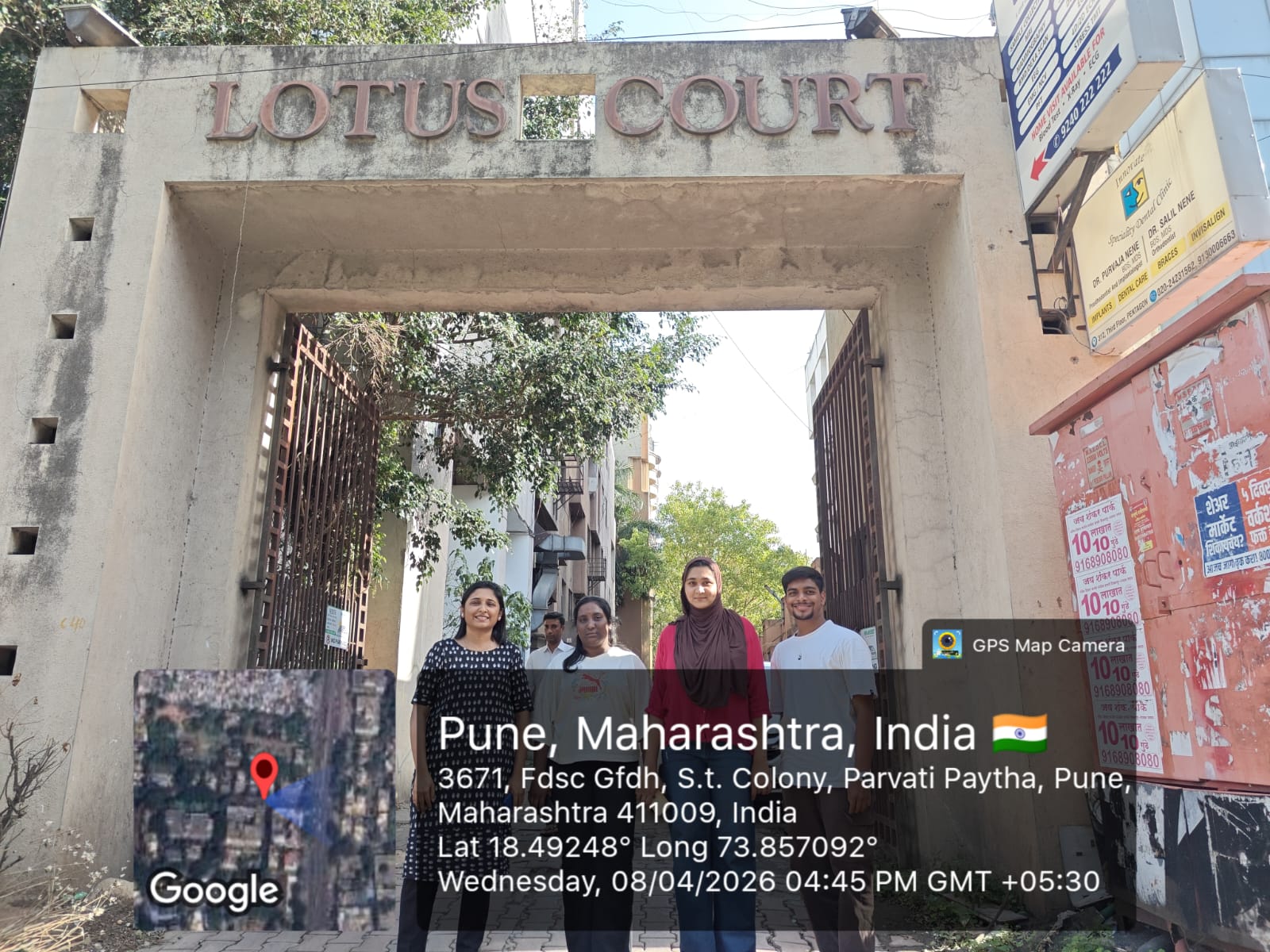
A site visit was conducted at Lotus Court, Pune to provide students with a real-time understanding of spatial planning and functional zoning in a commercial complex. The activity emphasized studying circulation patterns, user movement, accessibility, façade treatment, material usage, and service integration, enabling students to relate theoretical concepts to practical architectural design.
.jpeg)
.jpeg)
Day/Date:
Monday, 12th January 2026
Activity organised by:
Ar. Nikita Mahajani (under ‘Virasat’ Heritage Club)
Activity organised for:
Third Year B.Arch students (Elective: Urban Conservation)
Number of participants:
5 students
SDG’s mapped:
SDG 11 – Sustainable Cities and Communities
Brief description of the activity:
A site visit was conducted to Vitthal Rukmini Temple, Vitthalwadi, Pune to document its architectural features, spatial organization, and construction techniques. The activity also focused on understanding the cultural and historical significance of the temple, analyzing its relationship with the surrounding urban context, and assessing its current condition for conservation and heritage preservation.
 (1).jpeg)
.jpeg)
The technology sector is advancing at a rapid pace and with a BCA degree, you are already well positioned to benefit from these changes. Presently, areas such as artificial intelligence (AI), machine learning (ML), and data science (DS) are not only popular but they are also pioneering the evolution of the workplace. If you are thinking about career opportunities after BCA, especially in these high-growth domains which are expected to grow very fast, then this blog will assist you in discovering the best career options after BCA, identifying required skills, and planning your future career.
If you’re wondering 'What are the career options after MCA?' you're asking the right question at the right time.
The Master’s Programme in Governance and Public Policy is designed for current and aspiring leaders, executives, and professionals who operate within increasingly complex governance ecosystems at local, national, and global levels. The programme adopts a broad and contemporary understanding of “policy,” encompassing public policy, regulatory policy, organisational and corporate policy, as well as sector-specific policy frameworks shaping emerging industries and institutions.
Set against the backdrop of a rapidly transforming global order and India’s evolving role as a key governance and economic actor, the programme equips learners with a strong foundation in governance structures, policy processes, institutional design, and international engagement. It is particularly relevant for professionals working at the intersections of business, technology, innovation, society, and government, where policy decisions directly influence strategic outcomes.
By integrating conceptual clarity with applied, practice-oriented learning, the programme enables participants to critically analyse complex public and regulatory challenges, design responsive policy solutions, and contribute to institutional strengthening across sectors. Learners engage with real-world policy problems, regulatory environments, and stakeholder dynamics, preparing them to navigate uncertainty and change.
With a strong emphasis on ethical governance, evidence-based policymaking, leadership, and institutional effectiveness, the programme prepares executives to engage meaningfully with governments, regulatory authorities, corporations, international organisations, think tanks, and research institutions. It is especially suited for professionals seeking to upskill, upgrade their career, enhance their policy literacy, leadership capacity, and strategic influence in an increasingly interconnected and policy-driven world.

The media environment has undergone remarkable changes over time. It is not just print journalism anymore - lifestyle reels, quick podcasts and data analytics are changing the media scene at a rapid rate. In such a situation, journalism education needs to keep this pace with the changes in the industry.

NAVIGATION
QUICK LINKS
PROGRAMMES
CONTACT US
Only for Students
+91 9590300911Only for Faculties
+91 8669908316Copyright © Vishwakarma University, Pune 2026 All rights reserved..
[Best viewed in IE 10+, Firefox, Chrome, Safari, Opera.]
Powered by