Master of Technology (Computer Science and Engineering)
2 Years – 4 Semesters – Full Time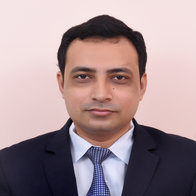

.jpg)

The M. Tech. (Computer Science and Engineering) programme is suitable for students who are interested in advanced learning and undertake a research project in computer science and engineering.
The programme offers an advanced course of study covering the implementation and design of information and computing systems.
The programme allows a student to specialize in any topic of interest by taking elective courses and working on a research project in that area. The focus is on conducting research and writing a thesis that reports results and conclusions.
| Outcome | On successful completion of the M.Tech CS programme at VU (S&T) the student will be able to : |
| 1 | Apply the knowledge of engineering and science fundamentals to the solution of complex engineering problems. |
| 2 | Identify, formulate and analyze complex engineering problems to create solutions using the first principles of engineering sciences and mathematics. |
| 3 | Design solutions for design system components that meet the specified needs for the benefit of society. |
| 4 | Apply research methods including design of experiments, analysis and interpretation of data, and synthesis of the information to provide valid conclusions. |
| 5 | Create appropriate techniques and IT tools including prediction and modeling to complex engineering activities with an understanding of the limitations. |
| 6 | Apply reasoning using contextual knowledge to assess the needs of society and understand the responsibilities relevant to the professional engineering practice. |
| 7 | Understand the impact of professional engineering solutions as applied to the environment, and demonstrate the knowledge for sustainable development. |
| 8 | Adopt ethical practices as applied to the professional world to execute responsibilities and adhere to norms of the engineering profession. |
| 9 | Execute professional functions effectively as an individual, as well as a leader or member in diverse multidisciplinary teams. |
| 10 | Communicate effectively with the engineering community and with society in solving complex problems in terms of being able to comprehend and write effective reports, make effective presentations, as well as execute and receive clear instructions. |
| 11 | Demonstrate an ability to lead projects and build cost models in an interdisciplinary professional setting. |
| 12 | Develop learning mechanisms and inculcate the ability to prepare for lifelong learning in the context of technological change. |
.
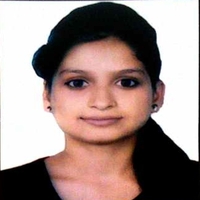
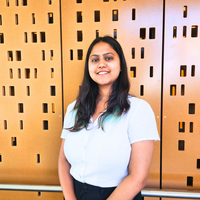
My journey in the Computer Engineering programme has been both enriching and inspiring. The curriculum combines strong theoretical foundations with practical learning experiences, helping me develop technical and problem-solving skills. The supportive faculty members are always approachable and encourage us to participate in projects, workshops, and industry interactions. The exposure to emerging technologies and collaborative learning environment has greatly enhanced my confidence and prepared me for future opportunities.
Shruti Kundale
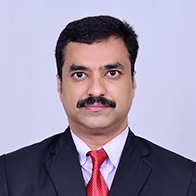
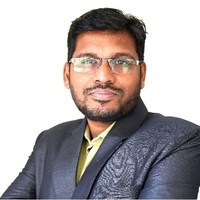
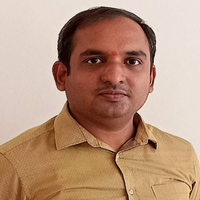
The Computer Engineering programme has provided me with excellent opportunities to learn, innovate, and grow. The project-based learning approach and hands-on laboratory sessions have helped me understand real-world applications of technology. Regular expert talks, industry visits, and internship opportunities have given me valuable insights into the professional world. The guidance and encouragement from faculty members have played a significant role in shaping my academic and professional development.
Harsh Kacha
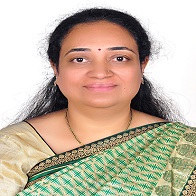
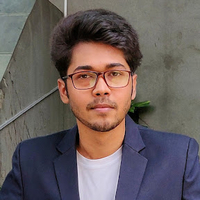
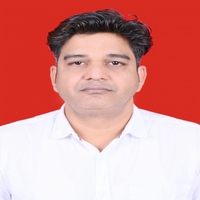
Being a part of the Computer Engineering programme has been a rewarding experience. The department offers a dynamic learning environment where students are encouraged to explore new technologies and develop innovative solutions. Through multidisciplinary projects, technical events, and research activities, I have gained practical exposure and enhanced my technical expertise. The faculty's constant support and industry-oriented approach has helped me maximize my potential and prepare for a successful career in technology.
Sahil Daware

NAVIGATION
QUICK LINKS
PROGRAMMES
CONTACT US
Only for Students
+91 9590300911Only for Faculties
+91 8669908316Copyright © Vishwakarma University, Pune 2026 All rights reserved..
[Best viewed in IE 10+, Firefox, Chrome, Safari, Opera.]
Powered by