.jpg)
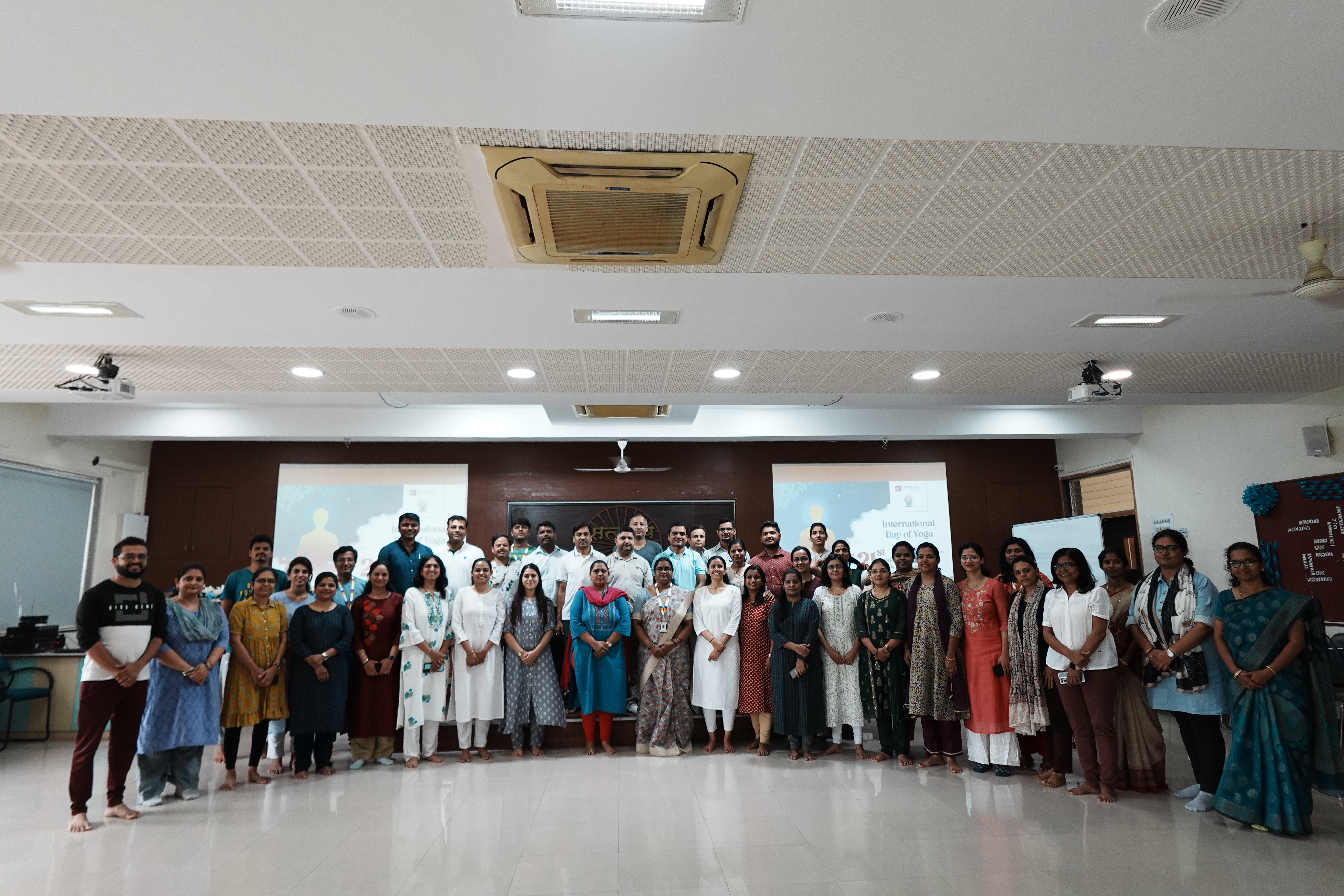
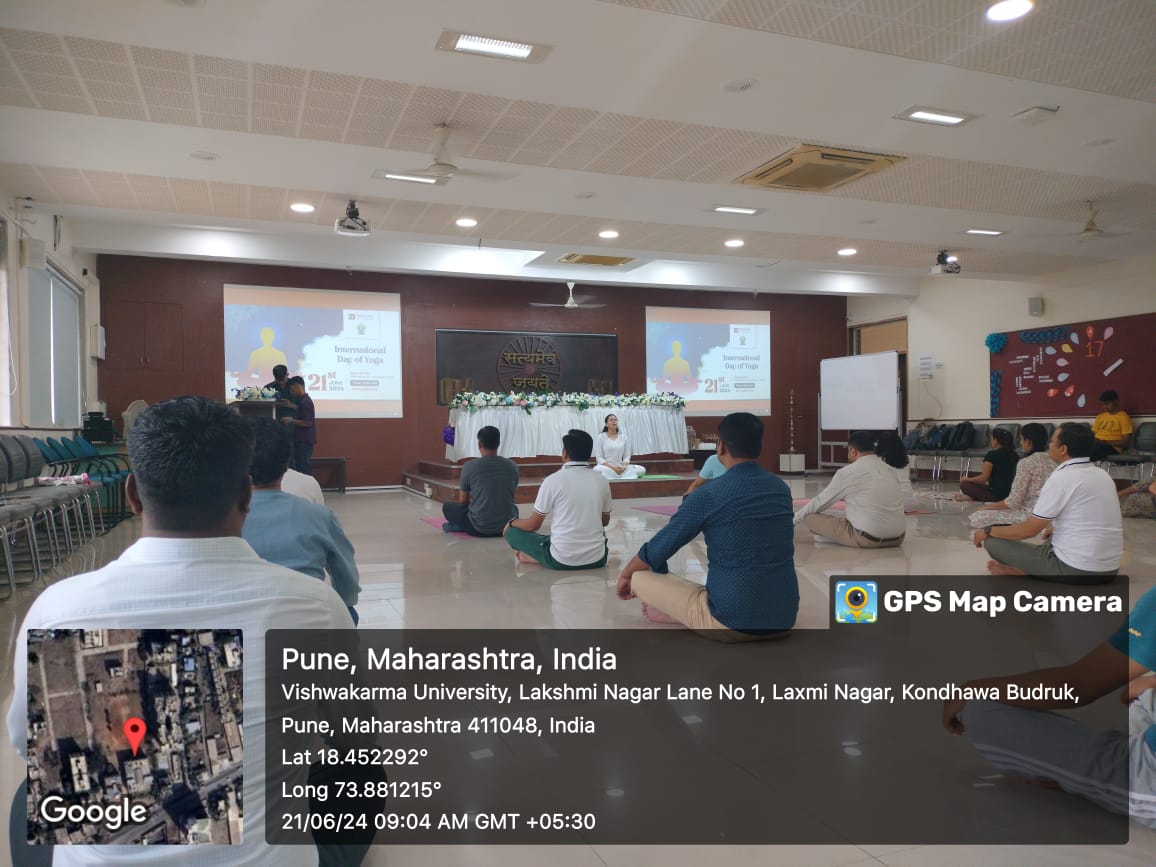
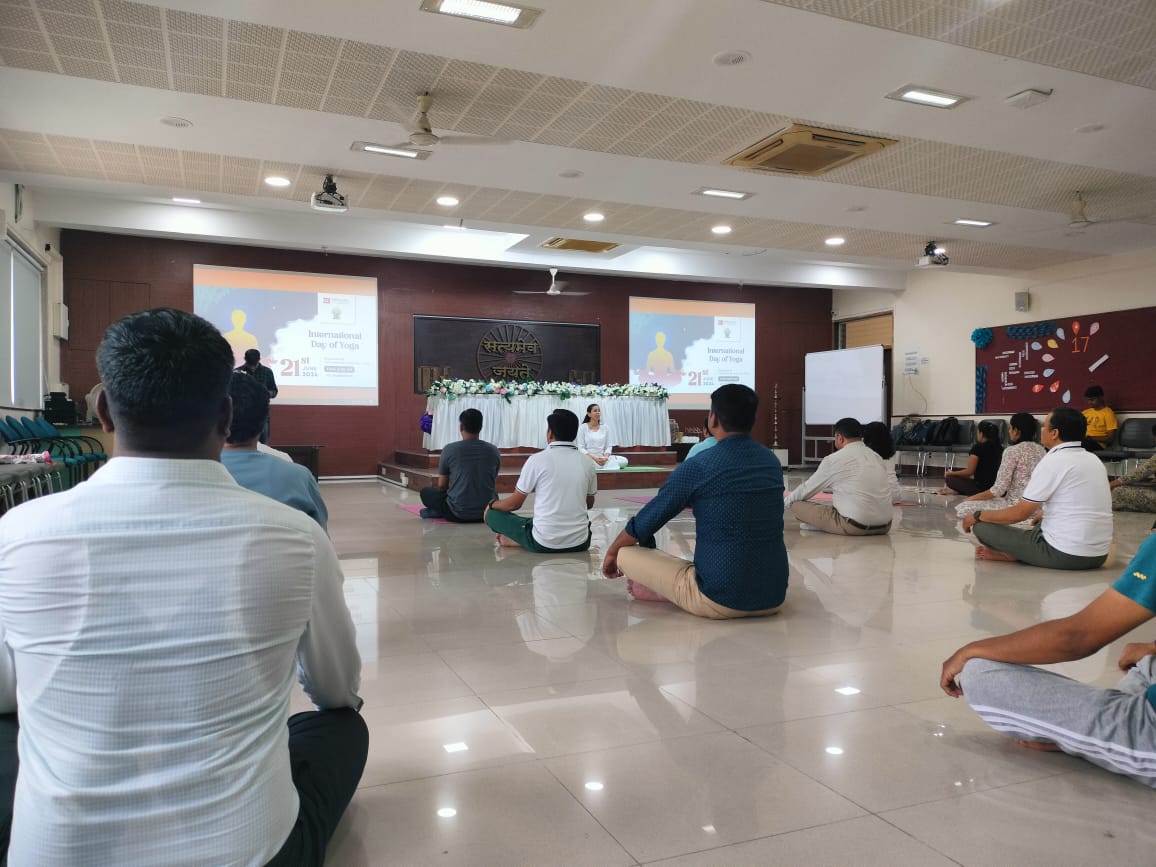
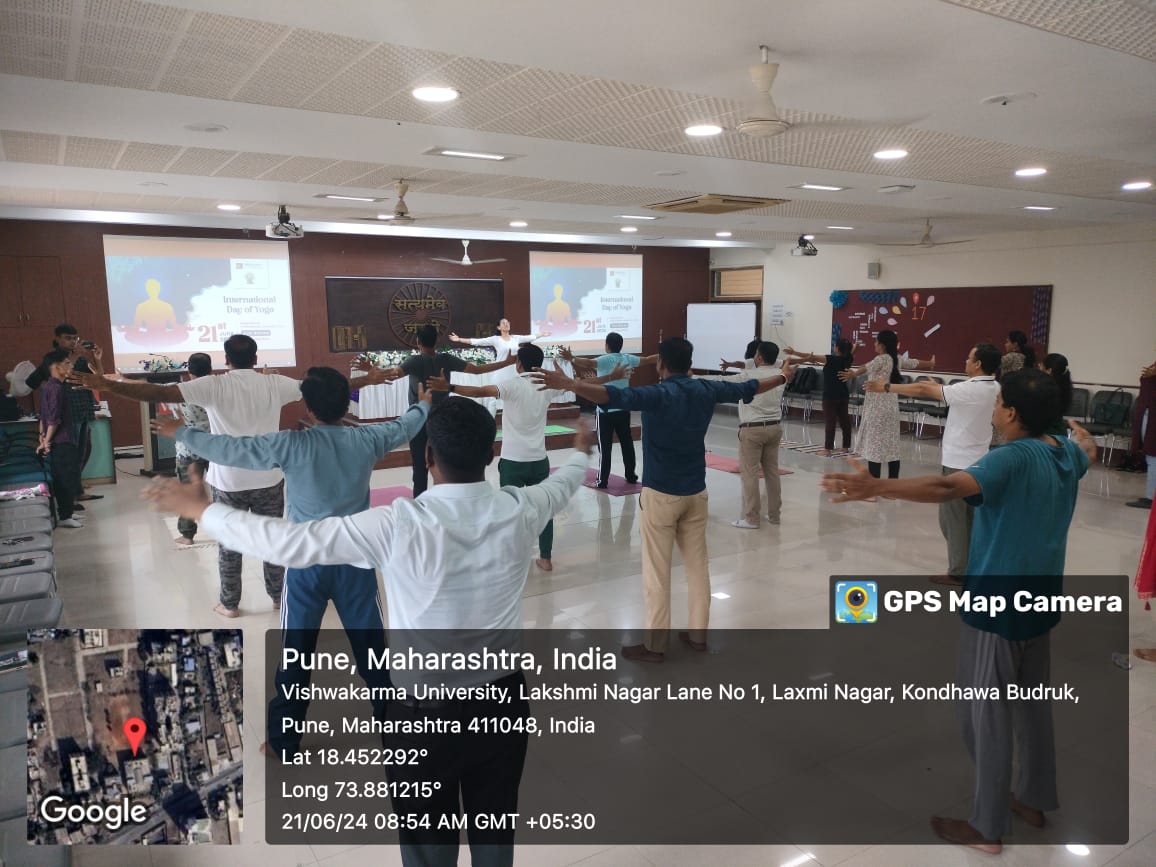
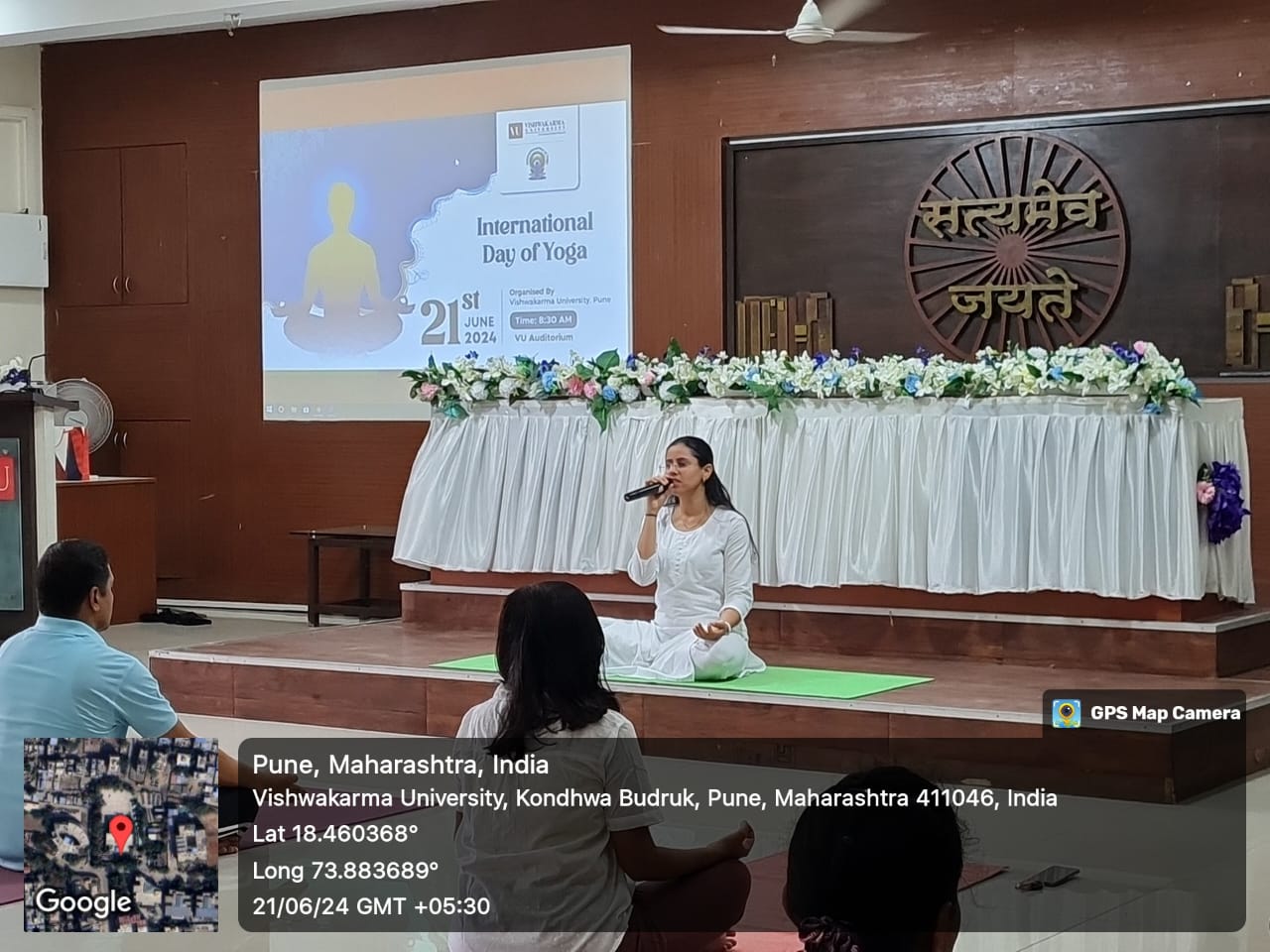
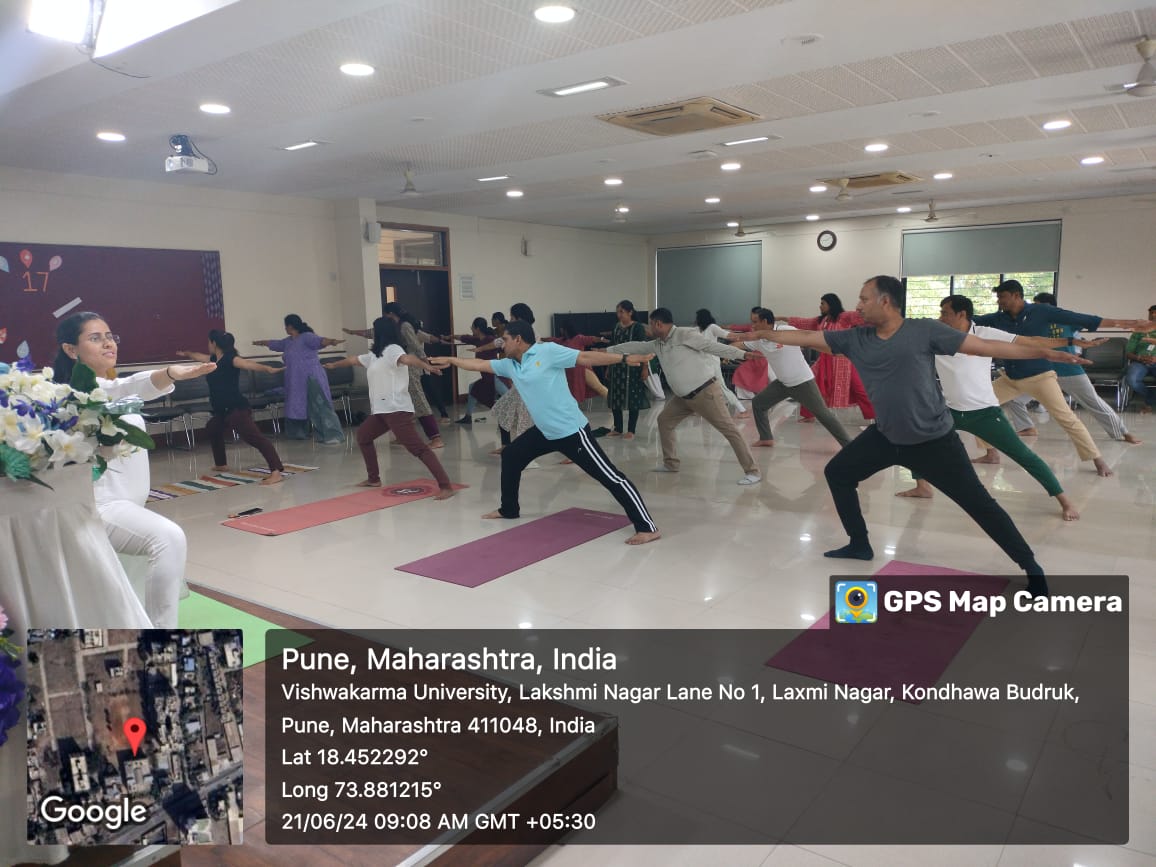
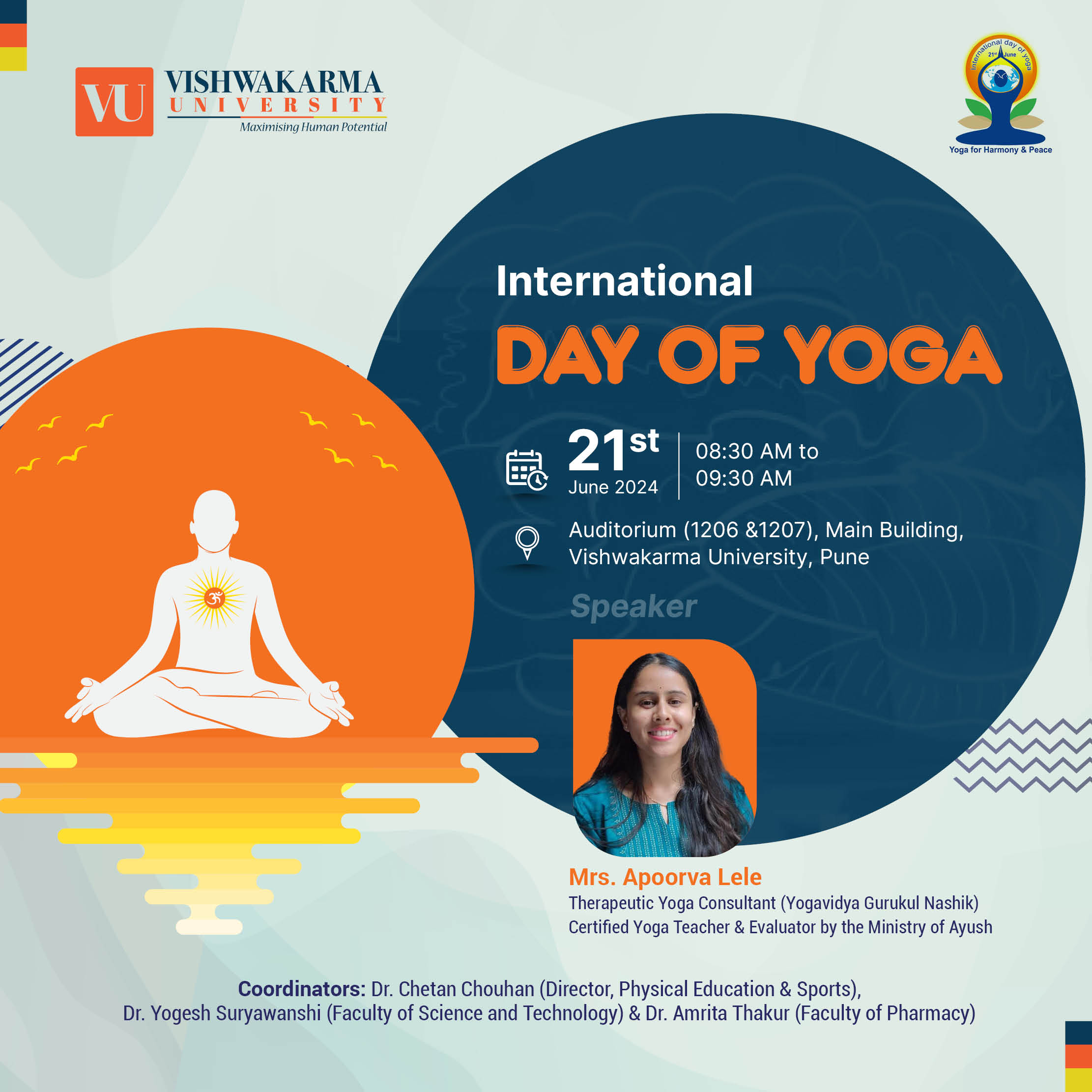
On June 21st, 2024, the University celebrated the 10th International Day of Yoga with great enthusiasm. The event attended by 50 faculty, staff and students of the University, all of whom demonstrated a keen interest in this ancient practice.
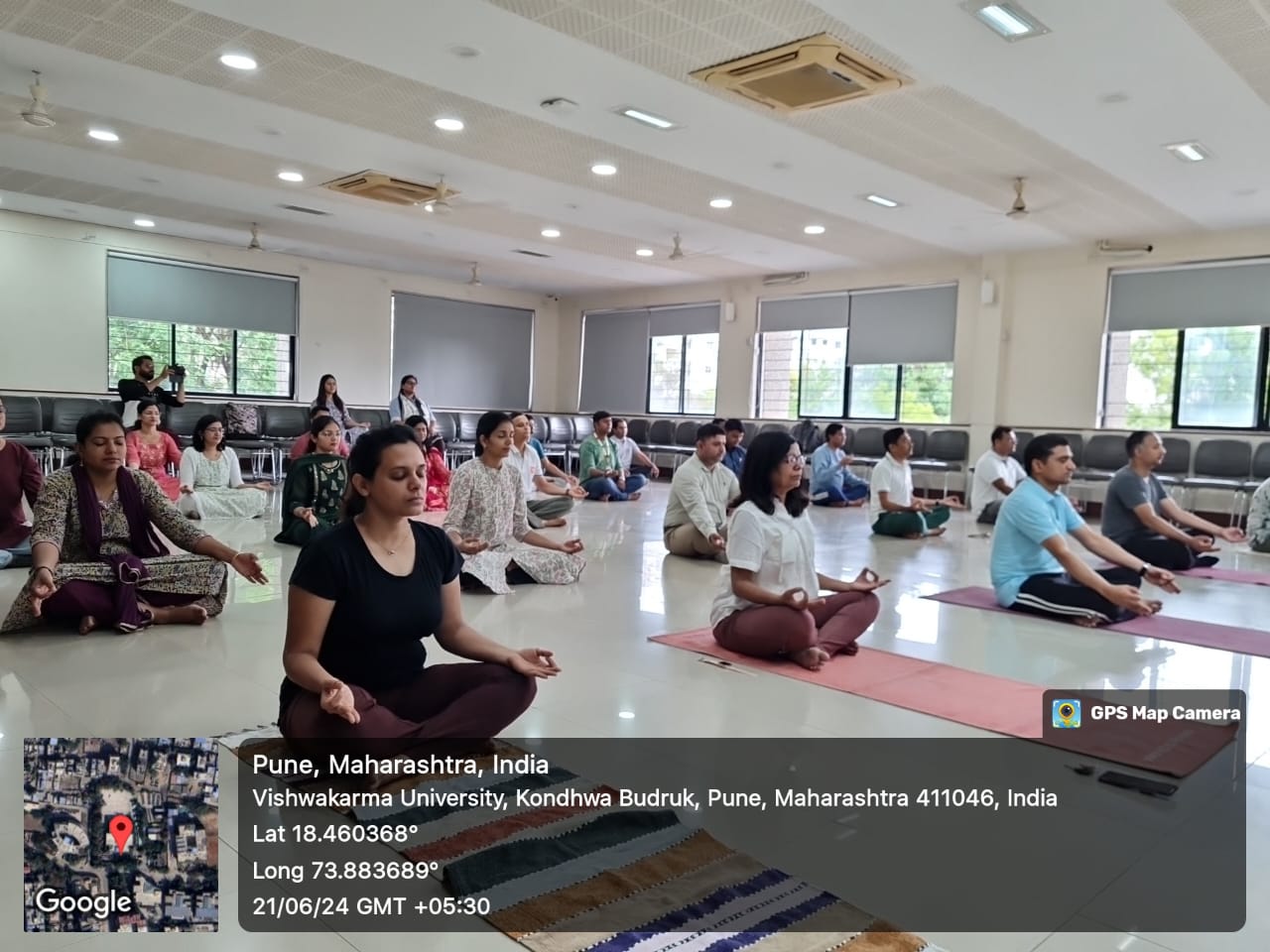
The event commenced with a comprehensive introduction to Yoga Day by Mrs. Amrita Thakur, Assistant Professor, Department of Pharmacy. Following that, the Yoga Expert / Trainer Mrs. Apoorva Lele, Certified Yoga Teacher and Evaluator by the Ministry of Ayush, was welcomed and introduced to the audience. The program kicked off with warm-up exercises, during which all faculty members actively participated. They guided through various sitting and standing asana, with simultaneous explanations of their significance. The instructors emphasized the importance of incorporating yoga into daily life and maintaining harmony between the body and mind. The session lasted for over an hour, witnessing active participation and engagement from all attendees. The yoga instructors provided detailed explanations of each pose and offered guidance on precautions to taken. Undoubtedly, it proved to be a successful event.
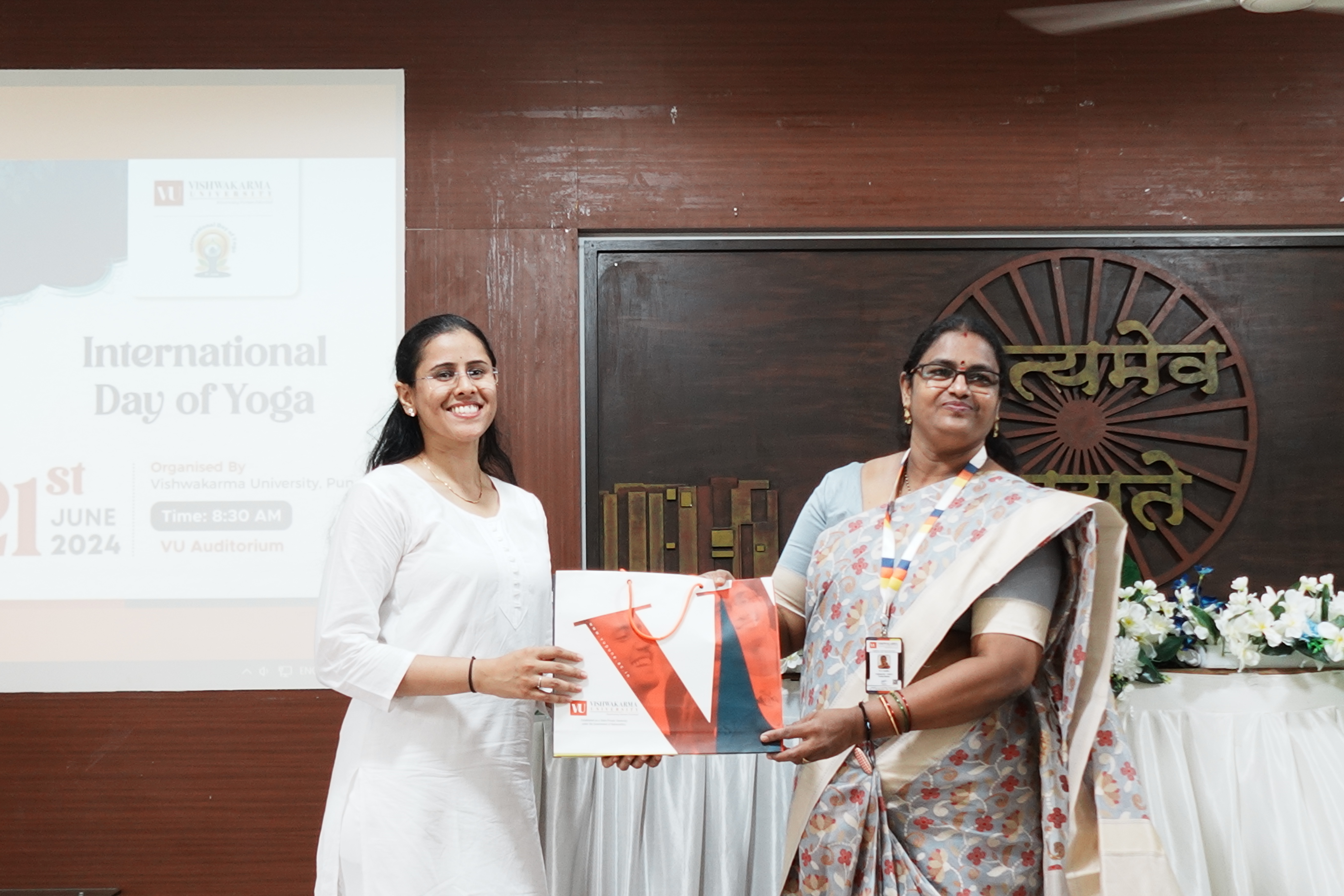
The celebration concluded with a token of appreciation presented to the esteemed guest by Dr. S. Sunitha (Dean, Faculty of Pharmacy). The felicitation acknowledged their valuable presence and support.
Under the supervision of Dr. Chetan Chouhan, Director, Physical Education and Sports along with Coordinators Dr. Yogesh Suryawanshi, Assistant Professor, Department of Yoga & Naturopathy, Mrs. Amrita Thakur, Assistant Professor, Department of Pharmacy and Dr. Kailas Bhosle, NSS Program Coordinator, the International Day of Yoga celebrations reached a triumphant culmination. The event was executed flawlessly, leaving a lasting impact on all participants. Vote of thanks was delivered by Mr. Amrita, expressing gratitude to all individuals who contributed to the success of the program.
The 10th International Day of Yoga at Vishwakarma University was an extraordinary event that brought together academic leaders, faculty members, and yoga enthusiasts. It successfully promoted the practice of yoga and its benefits, while also emphasizing its global significance. The event’s success can be attributed to the meticulous planning, active participation, and the dedication of the organizing team. Vishwakarma University’s commitment to spreading the practice of yoga throughout the country was evident, and it’s anticipated that this celebration will inspire more individuals to embrace yoga in their lives.
Director
Physical Education & Sport
On the occasion of “10th International Day of Yoga 2024” a Yoga session was organized with the theme ‘Yoga for Self and Society' at Vishwakarma University, Pune on 21 June 2024
Economics is a dynamic field, offering insights into how individuals, businesses, and governments allocate resources. When it comes to undergraduate studies, students often find themselves weighing BSc Economics vs BA Economics. Both degrees offer a solid foundation in economics, yet they differ in focus and approach. This blog explores these differences at Vishwakarma University, helping you decide which path aligns best with your career goals and academic interests.
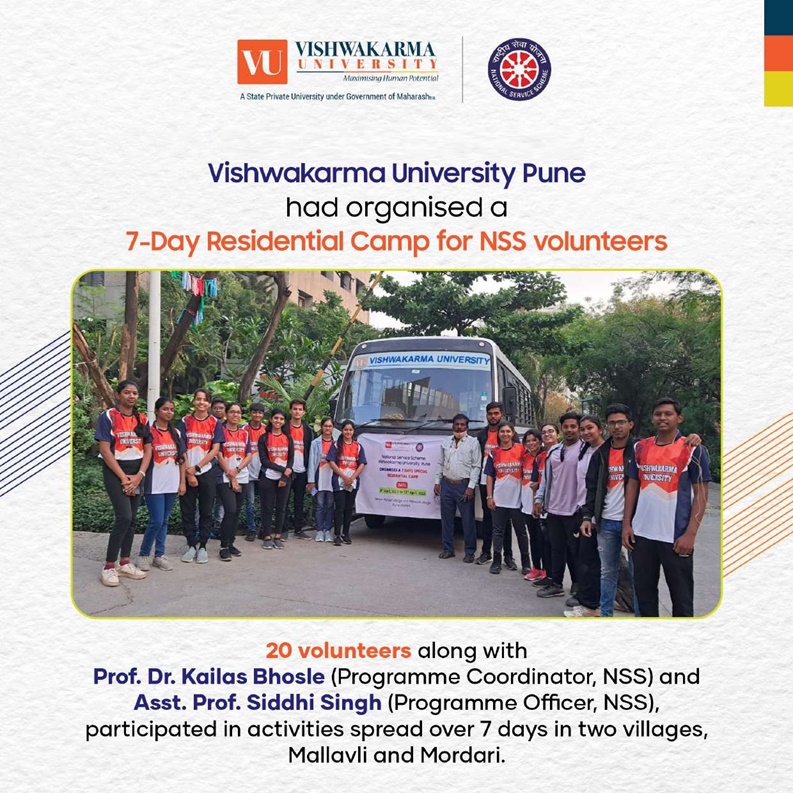
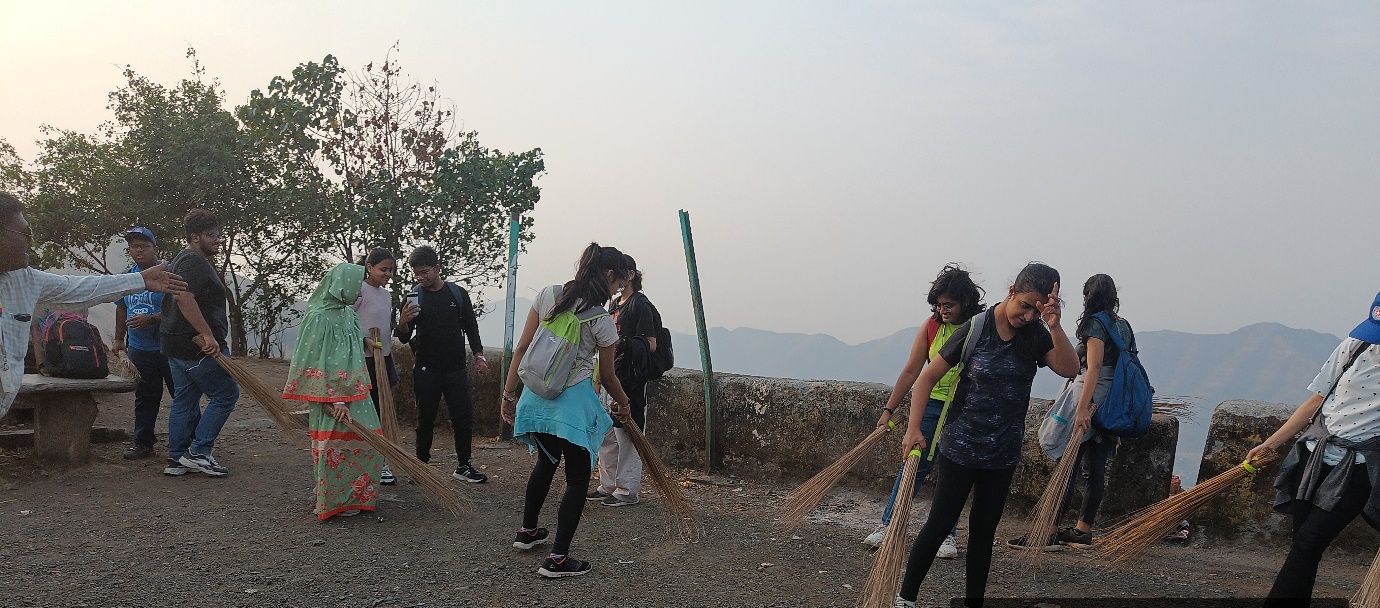
National Service Scheme at Vishwakarma University Pune had organized a 7 day Residential Camp for NSS volunteers.
20 volunteers along with Prof. Dr. Kailas Bhosle (Programme Coordinator, NSS) and Asst. Prof. Siddhi Singh (Programme Officer, NSS), participated in activities spread over 7 days in two villages, Mallavli and Mordari.
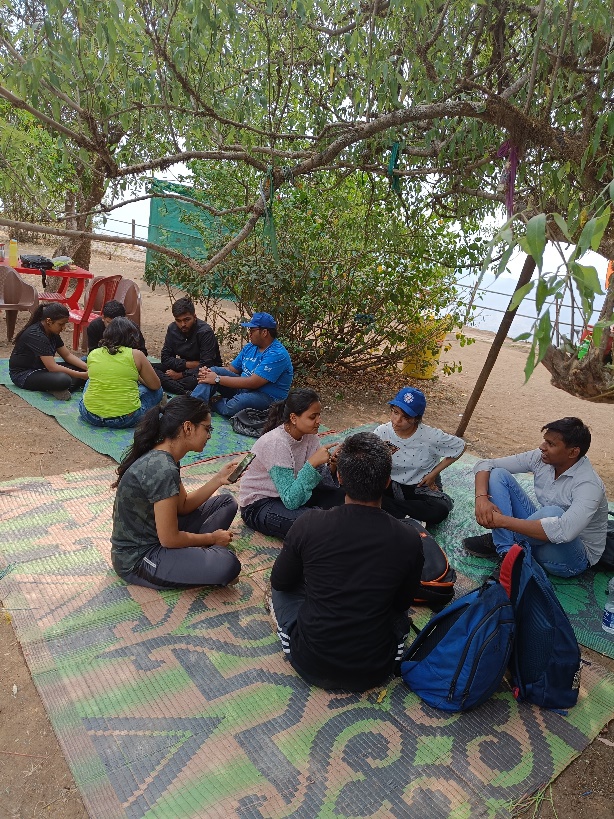
A session on basic computer knowledge was also conducted for the residents of the village. Post lunch, a village survey was conducted by students in small groups, covering designated parts of the village. A discussion about the collected responses among students took place. They collectively tried to identify the existing issues faced by the residents of the village. The volunteers interacted with the school going children next. The students were asked about the class they are studying, their favourite subjects, their talents, etc. The students were also taught the special NSS clap.
Concept Note: Five-Day Workshop on Interview Techniques
Overview
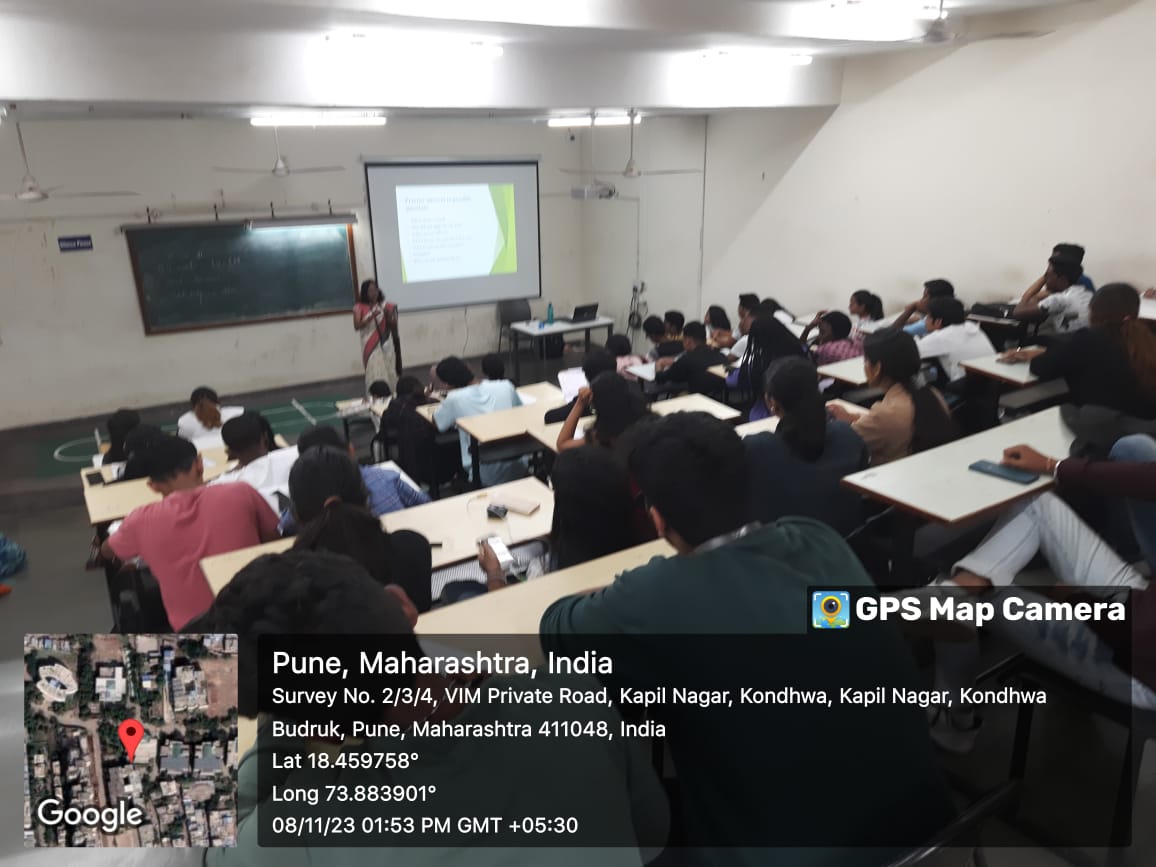
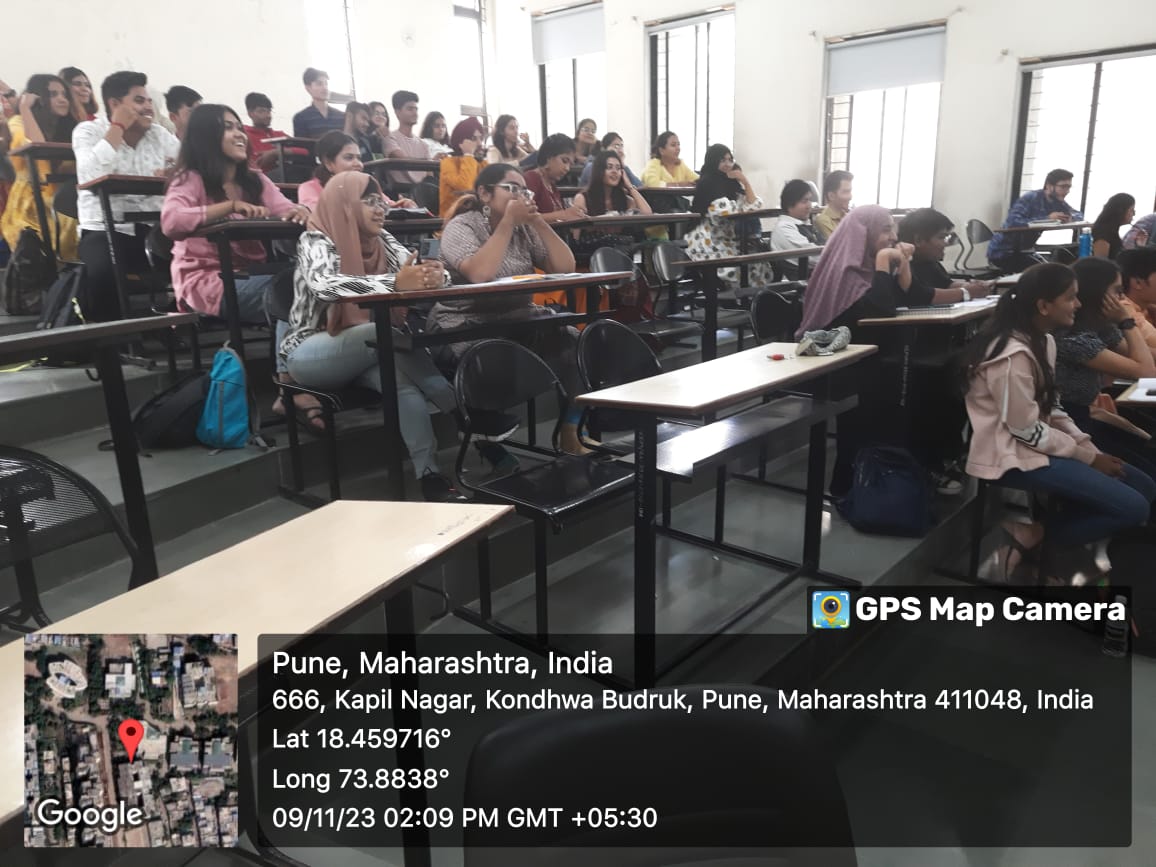
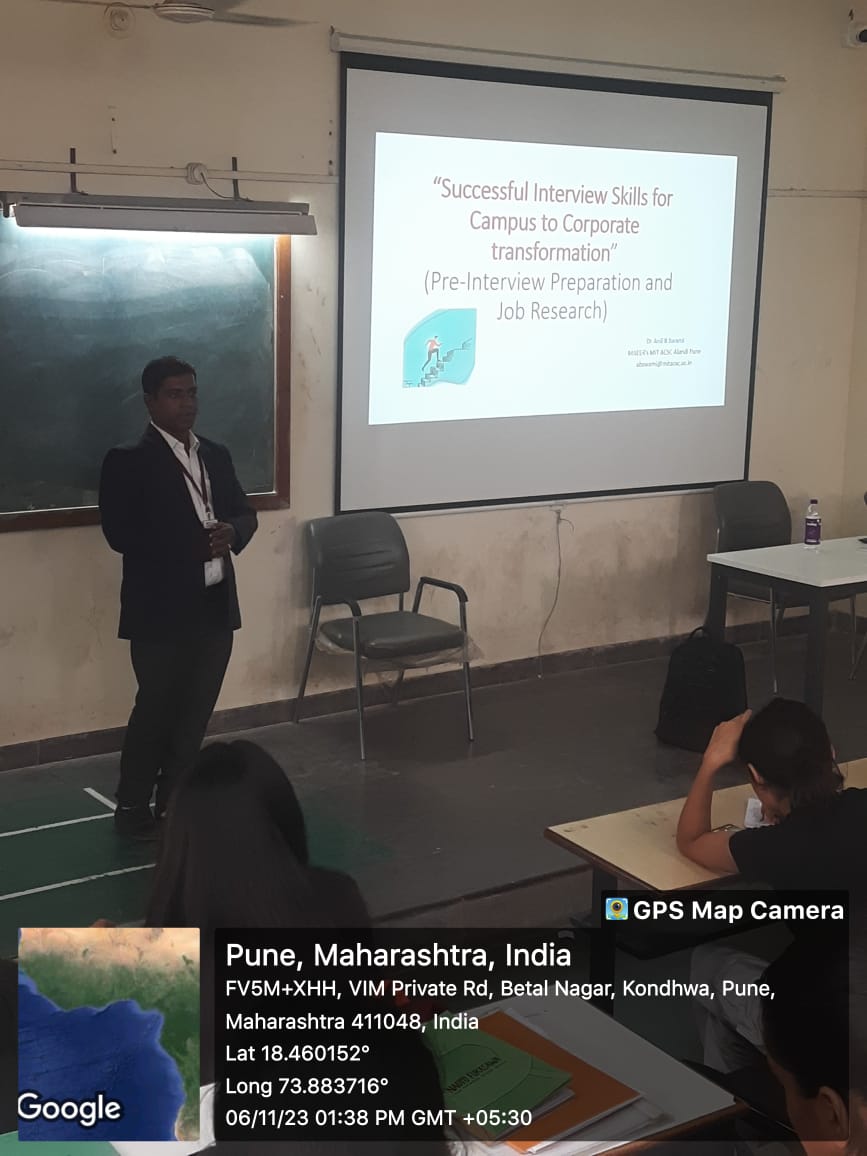
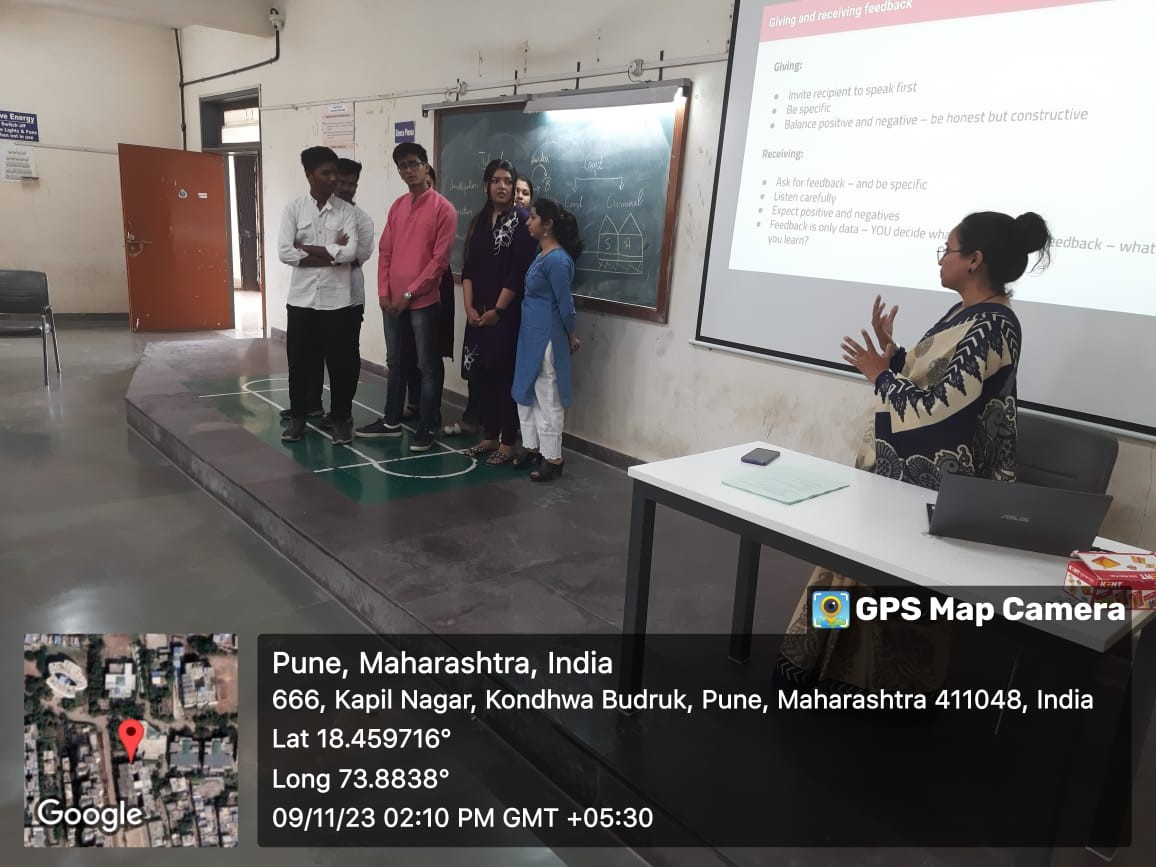
The Five-Day Workshop on Interview Techniques was held from November 6th to November 10th, 2023. This intensive workshop was designed to enhance the interviewing skills of participants, focusing on both theoretical and practical aspects. It aimed to equip attendees with the necessary tools to conduct effective and insightful interviews across various contexts, including academic research, journalism, human resources, and qualitative data collection.
Objectives
1. Enhance Understanding of Interview Fundamentals:
2. Develop Practical Interview Skills:
3. Improve Analytical Capabilities:
Key Components
1. Lectures and Presentations:
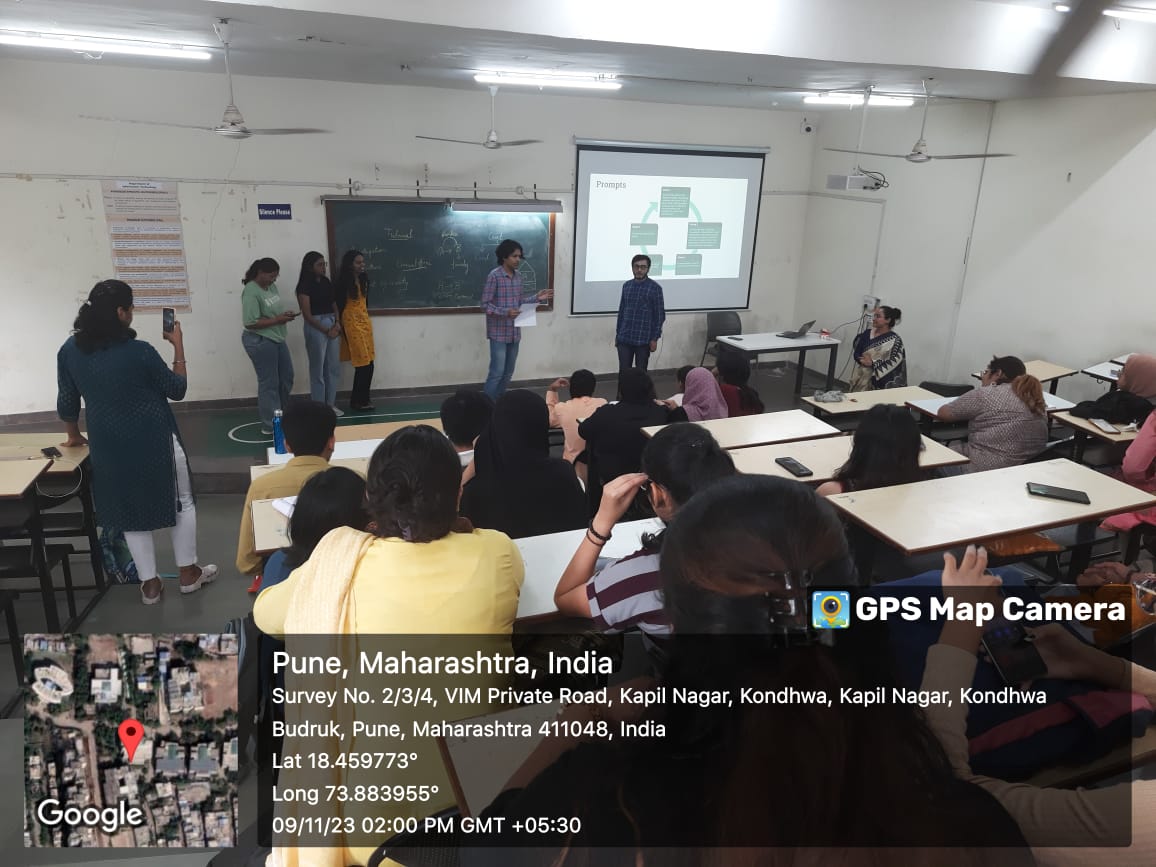
2. Interactive Workshops:
3. Role-Playing Exercises:
4. Data Analysis Sessions:
Target Audience
The workshop was designed for the students belong to various academic streams:
Expected Outcomes
By the end of the workshop, participants were expected to:
Conclusion
The Five-Day Workshop on Interview Techniques provided a comprehensive training experience, blending theoretical knowledge with practical application. Through expert guidance and interactive sessions, participants enhanced their interviewing capabilities, making them better equipped to conduct insightful and impactful interviews in their professional roles.
Vishwakarma University and Binghamton University Unite for Techfest: A Fusion of
Innovation and Art
Visionary Techfest '24, hosted by Vishwakarma University in collaboration with Binghamton University, concluded on 8 th Feb, 2024 with resounding success, marking an extraordinary display of innovation, creativity, and technical prowess.
The event brought together 258 participants from various institutions, creating a vibrant atmosphere of collaboration and knowledge exchange. Visionary Techfest'24 was a testament to the commitment of Vishwakarma University to fostering technological innovation and providing a platform for students to showcase their talents.
Highlights of Visionary Techfest '24:
Cutting-Edge Projects: Participants presented a diverse range of projects encompassing fields such as Internet of Things, Cybersecurity, Artificial Intelligence, and Design and Thinking reflecting the latest trends and advancements in technology.
Sessions by Binghamton University representatives: The event featured enlightening sessions by esteemed speakers, including Madhusudhan Govindaraju (Vice Provost for International Education and Global Affairs) and Michael Testani (Senior Director of Outreach & Engagement) providing valuable insights into the ever-evolving world of technology.
Competitions and Challenges: Techfest witnessed intense competitions, challenging participants to apply their skills in real-world scenarios. The innovative solutions presented were commendable.
Project Exhibition: A display of impactful projects highlighted the practical applications of theoretical knowledge, demonstrating the participants'; ability to bring ideas to life.
Art Exhibition: The creative flair of students shone through an impressive art exhibition, showcasing the fusion of technology and artistic expression.
Special Recognition:
Binghamton University Sponsored winner’s Prize: Binghamton University generously sponsored Prize worth One Lakh, recognizing outstanding achievements in the Techfest.
Appreciation and Thanks:
We extend our heartfelt gratitude to Co-ordinator Visionary Techfest ’24 and Head of AI department Dr. Pratibha Mahajan, Dean S&T Dr. Nitin Satpute, Asso. Dean S&T Prof. Tareek Pattewar, Director International Relations Dr. Kailas Patil for their invaluable contributions, making Visionary Techfest '24 a remarkable success. Special thanks to our Visionary Club members, volunteers, and participants who played pivotal roles in making this event unforgettable.
As we celebrate the success of Visionary Techfest '24, we look forward to future editions that will continue to inspire, educate, and push the boundaries of technological innovation.
About Vishwakarma University:
Vishwakarma University, Pune (VU) is a natural offshoot of the Vishwakarma Group of Institutions’ educational legacy, spanning more than 35 years. Vishwakarma University is a Member of Association of Indian Universities (AIU, New Delhi). As per Times Higher Education Global Impact Rankings 2021, Vishwakarma University, Pune is featured in the top institutions amongst 1200 universities from 98 countries/regions. These rankings assess universities against the United Nations’ Sustainable Development Goals (SDGs).VU Awarded as Emerging University by Associated Chambers of Commerce & Industry of India. The University focuses on academic excellence, positively impacting the student community and the society at large. The learning model at Vishwakarma University is the combination of knowing, practising, performing, and reflecting. The “learning by doing” approach practised through industry participation provides an opportunity for practical and pragmatic learning to students. Through a contemporary curriculum and ecosystem of holistic development, the university aims to prepare learners for fulfilling career paths.
Connect with Us:
Website: https://www.vupune.ac.in/
Facebook: https://www.facebook.com/learnpune?mibextid=ZbWKwL
Twitter: https://x.com/VU_Connect?t=YxEMw_Phit-p9QiyMCGYrw&s=08
Instagram: https://www.instagram.com/vishwakarmauniversity?igsh=MWNiNjlqY214anJoaA==
Event Details:
Name of the event- Visionary Techfest ‘23
Date(s) of the event- 06, Nov, 2023
Description of the event -
The Visionary Club of the Faculty of Science and Technology orchestrated a remarkable Techfest on November 6, 2023, showcasing the prowess of BTech, BSc, and MSc students in technology. The event, graced by the presence of esteemed faculty members, covered diverse domains like Artificial Intelligence/Machine Learning (AI/ML), Cybersecurity, and Internet of Things (IoT).
Commencing with a felicitation ceremony, the event expressed gratitude to the honorable Dean S&T, Dr. Nitin Satpute, and HoD AI and Coordinator of the event, Dr. Pratibha Mahajan, presenting saplings as tokens of appreciation. The enthusiastic participation of students and the vibrant atmosphere set the stage for an exciting competition.
The techfest unfolded with the declaration of problem statements to 32 teams, each allocated a creatively decorated room infused with inspirational quotes. Core members and team management ensured the smooth progress of techfest activities, fostering a collaborative and innovative environment. Ten judges, experts in their respective fields, diligently evaluated the teams' solutions, adding a competitive edge to the event.
The event's climax arrived with the announcement of the top three winning teams in each domain. Dean S&T, Dr. Nitin Satpute, and Associate Dean S&T, Dr. Sanjesh Pawale, HoD Computer Engineering Prof. Tareek Pattewar, and HoD AI Dr. Pratibha Mahajan graced the occasion with their presence, sharing valuable insights and applauding the participants for their exceptional efforts.
The Techfest not only showcased the technical acumen of the students but also fostered an environment of learning, collaboration, and innovation. It served as a testament to the dedication and enthusiasm of both participants and organizers in advancing technology and problem-solving skills within the academic community. The success of the event reflects the commitment of the Visionary Club and the Faculty of Science and Technology to nurturing a culture of exploration and excellence.
Event photos-
Participation:
Number of students involved in event- 120 students participated and around 50 students volunteered to organize the event
Achievements and Outcomes-
Diverse Participation and Domains: The Techfest drew active participation from BTech, BSc, and MSc students, demonstrating their technological prowess in diverse domains like AI/ML, Cybersecurity, and IoT.
Innovative Environment and Collaboration: The Techfest provided a creatively decorated environment infused with inspirational quotes, fostering collaboration and innovation. Core members and team management ensured the smooth progress of activities, creating a dynamic and collaborative atmosphere.
Competitive Evaluation and Recognition: Ten expert judges rigorously evaluated solutions, adding a competitive edge to the event. The announcement of the top three winning teams in each domain, along with insights from dignitaries, recognized and applauded participants for their exceptional efforts.
The Visionary Club's Techfest not only showcased technical excellence but also promoted collaboration, innovation, and a culture of learning. The event's success underscores the commitment of both participants and organizers to advancing technology and cultivating a culture of exploration within the academic community.
Guest Session on Study Abroad Opportunities for TY Computer and Artificial Intelligence Students
Date: [16 April 2024]
Venue: Auditorium, Main Building, Vishwakarma University, Department of Computer Engineering and Artificial Intelligence
Attendees: TY Computer Engineering and Artificial Intelligence Students
Introduction:
The Department of Computer Engineering and Artificial Intelligence at Vishwakarma University organized a guest session aimed at enlightening TY Computer and AI/DS students on the topic of studying abroad. Coordinated by Prof. Swati Shriyal, the session featured Mr. Rohit Runwal, the founder of Mad Learning, a Learning Hub, and an expert in Aptitude and Digital Marketing.
The session commenced with an introduction by Dr. Sandip Thite, the HOD of the Department of Computer Engineering, highlighting the importance of international education and its impact on students' academic and professional growth. A warm welcome of the Guest speaker was done by Dr. Pratibha Mahajan, the HOD of the Department of Artificial Intelligence. Mr. Rohit Runwal then took the stage, sharing his insights and experiences regarding studying abroad, particularly focusing on the fields of Computer Science, Artificial Intelligence, and Data Science.
Key Highlights:
Challenges and Preparations:
Study Destinations and Programs:
Testimonials and Experiences:
Interactive Session:
The session included interactive discussions, Q&A sessions, and sharing of resources like study guides, scholarship opportunities, and application tips. Students actively participated, expressing their aspirations and concerns related to studying abroad.
Conclusion:
The guest session on study abroad opportunities for TY Computer Engineering and Artificial Intelligence students was highly informative and motivating. It encouraged students to consider global education as a pathway to personal and professional growth in the dynamic technology field.

NAVIGATION
QUICK LINKS
PROGRAMMES
CONTACT US
Only for Students
+91 9590300911Only for Faculties
+91 8669908316Copyright © Vishwakarma University, Pune 2026 All rights reserved..
[Best viewed in IE 10+, Firefox, Chrome, Safari, Opera.]
Powered by