Announcements :

Applications for faculty positions    |        International Conference - ICAIML-AE 2026    |   Examination Form: Term II: May-June 2026: The last date for filling the examination form is extended till 28/04/2026(without late fees);30/04/2026( with late fees)   

Items filtered by date: October 2024

Subscribe to this RSS feed
Thursday, 10 October 2024 11:37

3-Year LLB or 5-Year LLB: Which One is Better?

3 Year LLB or 5 Year LLB Which One is Better

Confused about choosing between a 3-year LLB or 5-year LLB? Explore the key differences, advantages, and career prospects of both LLB courses, including eligibility, course duration, fees, and syllabus. Make an informed decision for your law career.

Published in Blog
Thursday, 10 October 2024 10:15

Report of community pharmacy visit

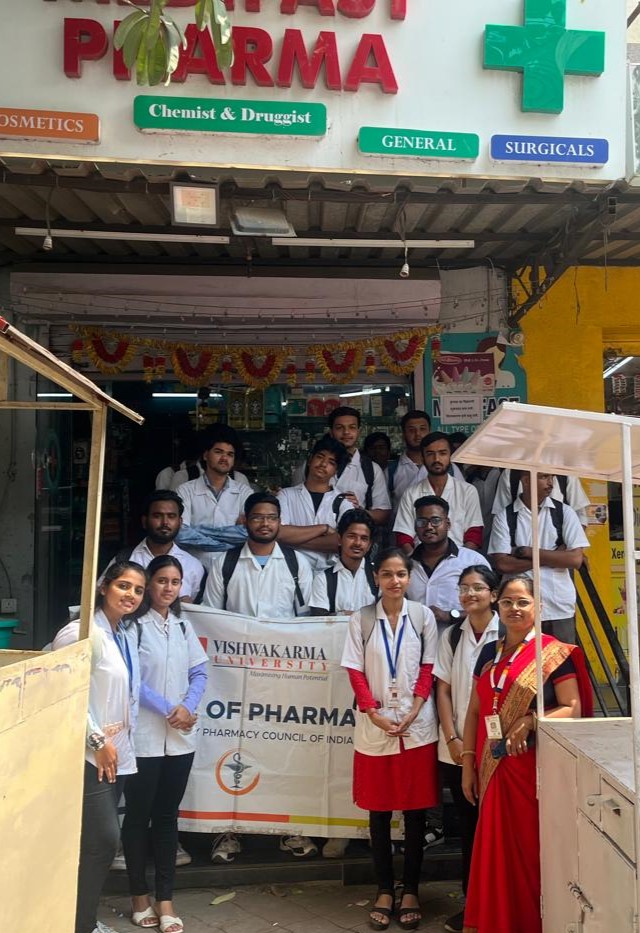
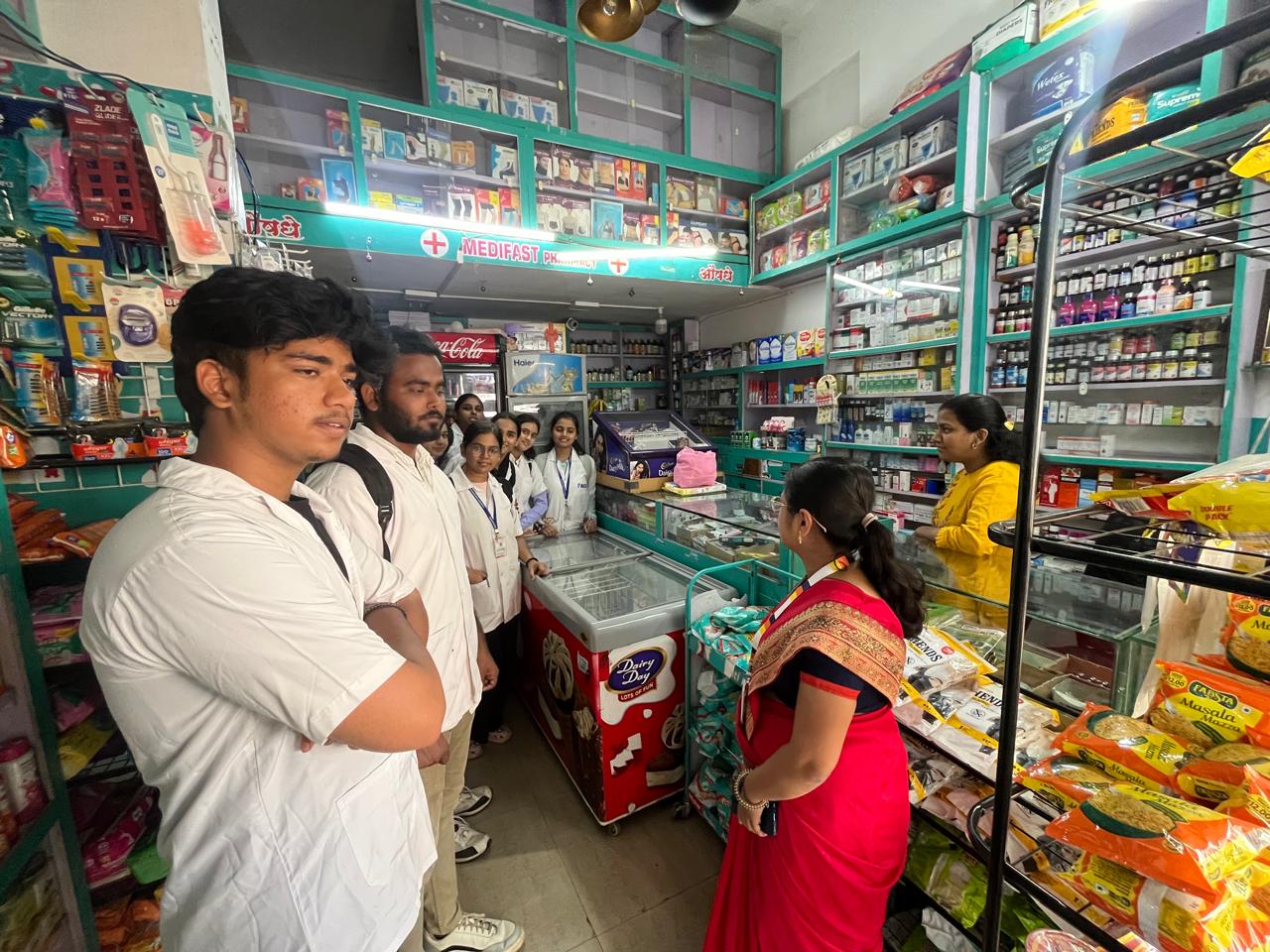
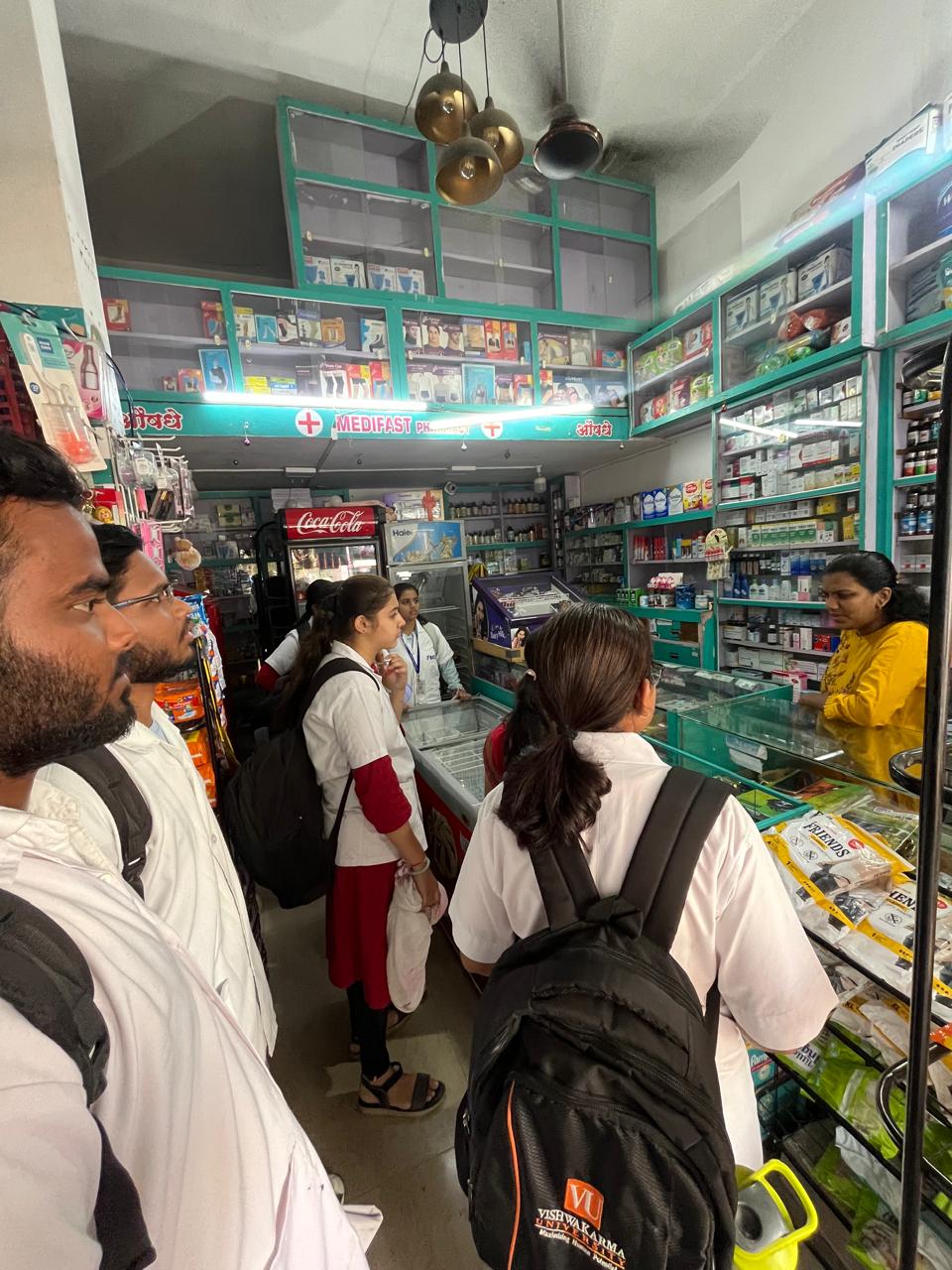
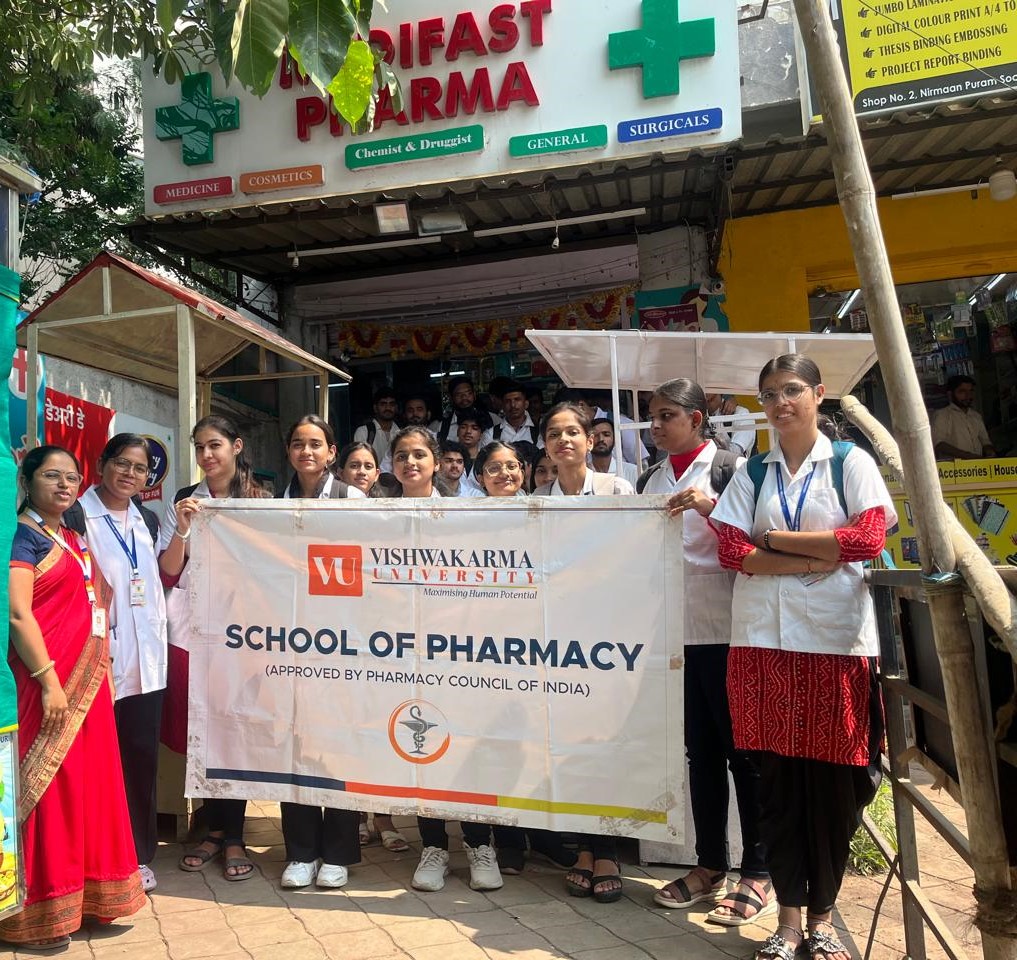
A visit to a local community pharmacy was scheduled to gain insight into pharmacy operations. Prof. Kirti Deshpande organized a visit for second-year D. Pharm students on October 8th at 11 a.m., to Payal Medifast Medical, located in the Kondhawa area of Pune. The purpose of the visit was to understand various aspects of pharmaceutical management, including software usage, inventory methods, medication storage patterns, and the handling of narcotic medicines.
The pharmacist welcomed the students and provided a detailed overview of the software system used for managing inventory and prescriptions. The pharmacy utilizes a specialized software program that helps track stock levels; prescription histories etc. the software helps in automation of reordering processes. This system ensures that medications are available when needed and prevents stock-outs or overstocking.
Regarding inventory management, the pharmacist explained the method of stock rotation, emphasizing the importance of the 'first in, first out' (FIFO) principle. This approach helps in minimizing wastage due to the expiration of drugs. Medications were systematically organized according to their type, with prescription drugs, over-the-counter (OTC) medications, and other health products stored separately to maintain accessibility and efficiency.
Special attention was given to the storage of narcotic medicines. The pharmacist explained that these controlled substances are stored in a secure, locked cabinet, in compliance with legal requirements. Detailed records are maintained for every narcotic medicine dispensed, ensuring strict regulation and accountability.
The visit concluded with an interactive discussion, where the pharmacist encouraged the students to ask questions. This opportunity allowed the students to deepen their understanding of the responsibilities involved in pharmacy practice, and the pharmacist provided practical insights into day-to-day operations.
Overall, the visit was an informative and valuable learning experience for the students, enhancing their understanding of community pharmacy management.


Published in Happenings
Thursday, 10 October 2024 05:52

M. Pharm in Pharmaceutics

Vishwakarma University Pune (VU) is a natural offshoot of the Vishwakarma Group of Institutions’ educational legacy spanning more than 40 years. The learning model at Vishwakarma University is the combination of knowing, practicing, performing, and reflecting. Through a contemporary curriculum and ecosystem of holistic development, the university aims to prepare learners for fulfilling career paths.

Published in Pharmacy
Wednesday, 09 October 2024 09:06

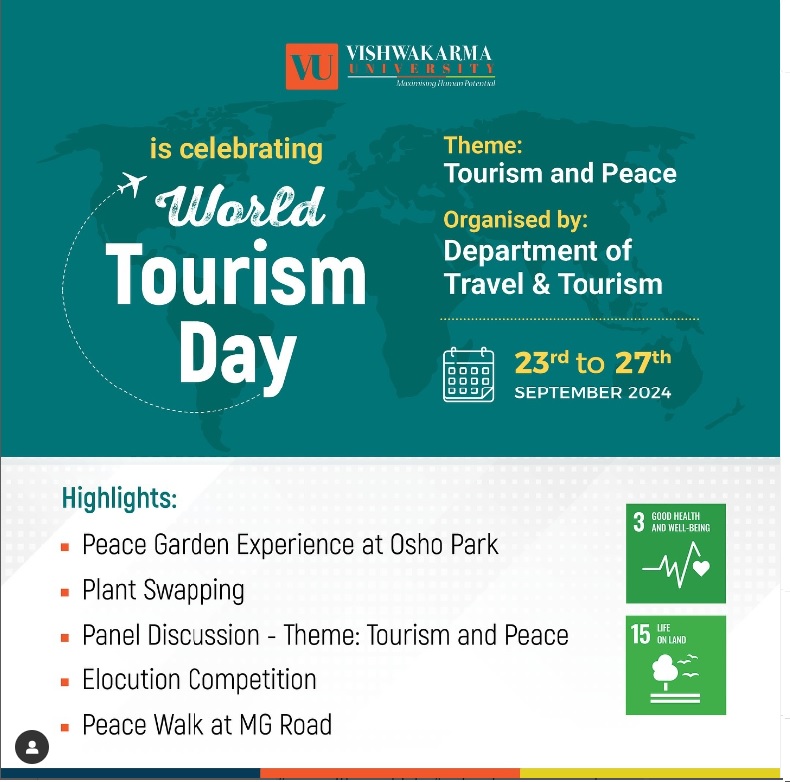
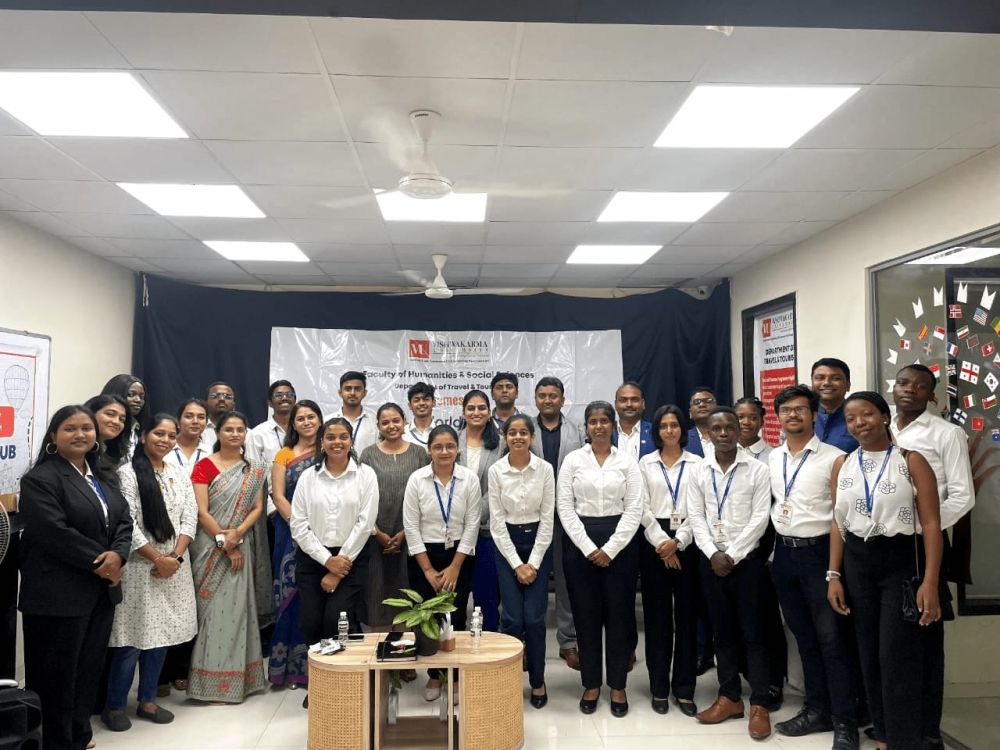
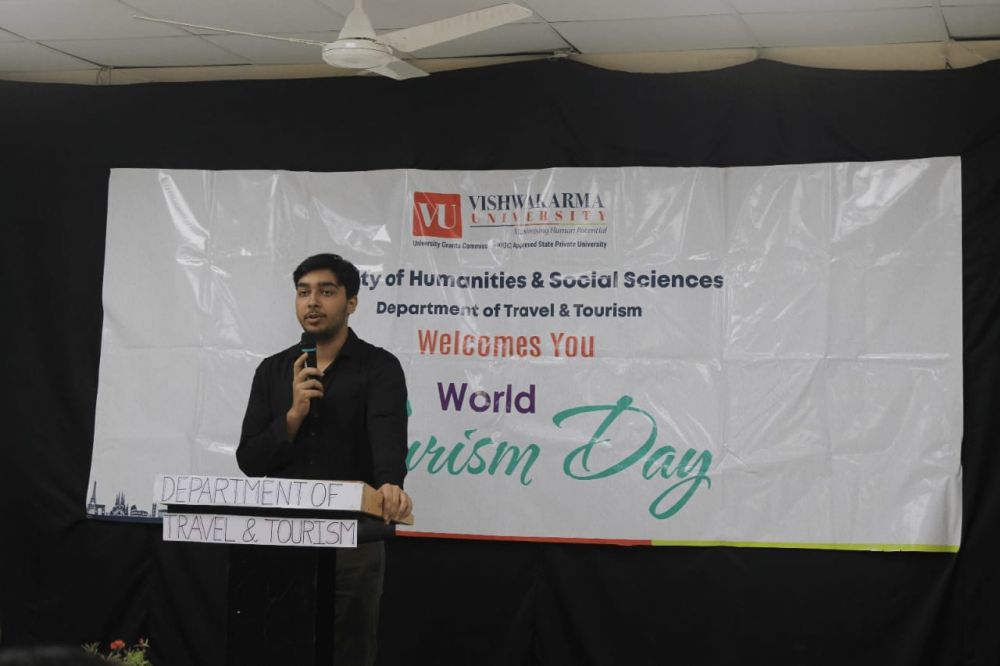
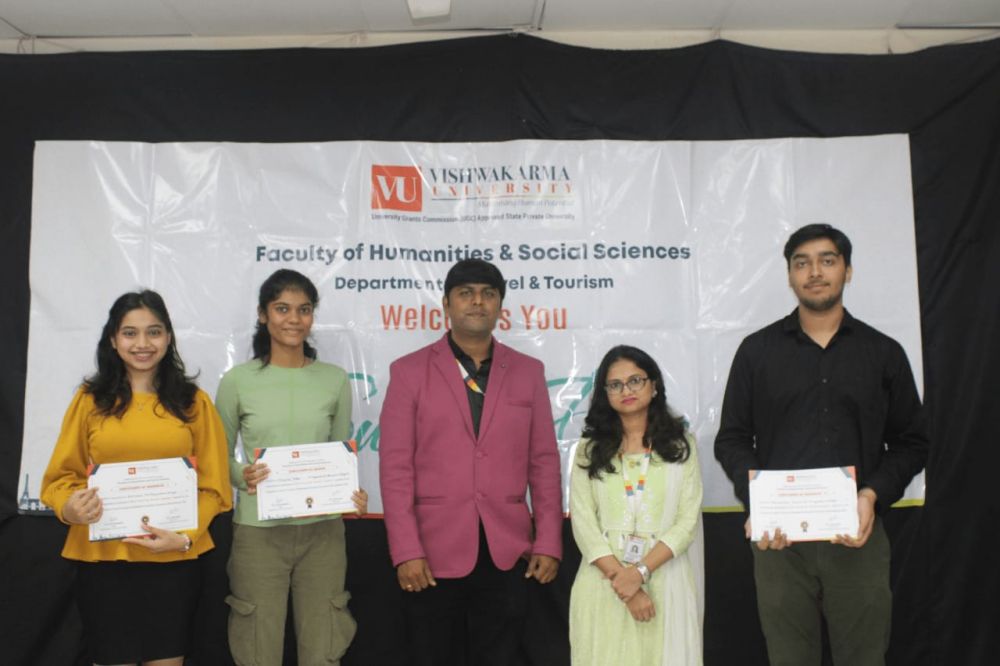
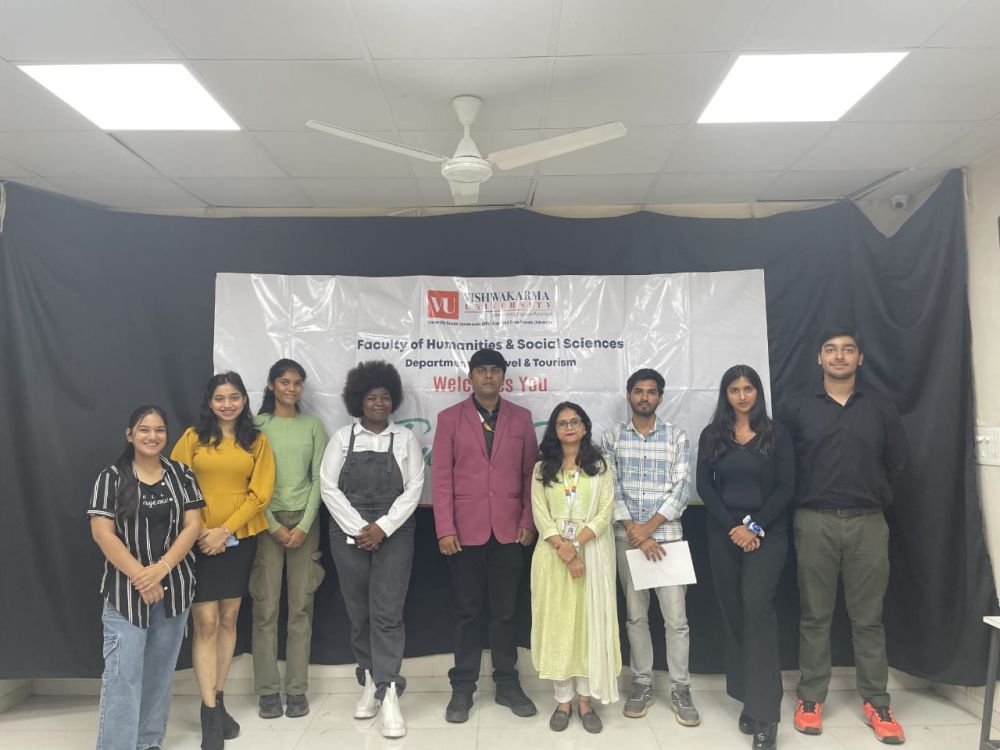
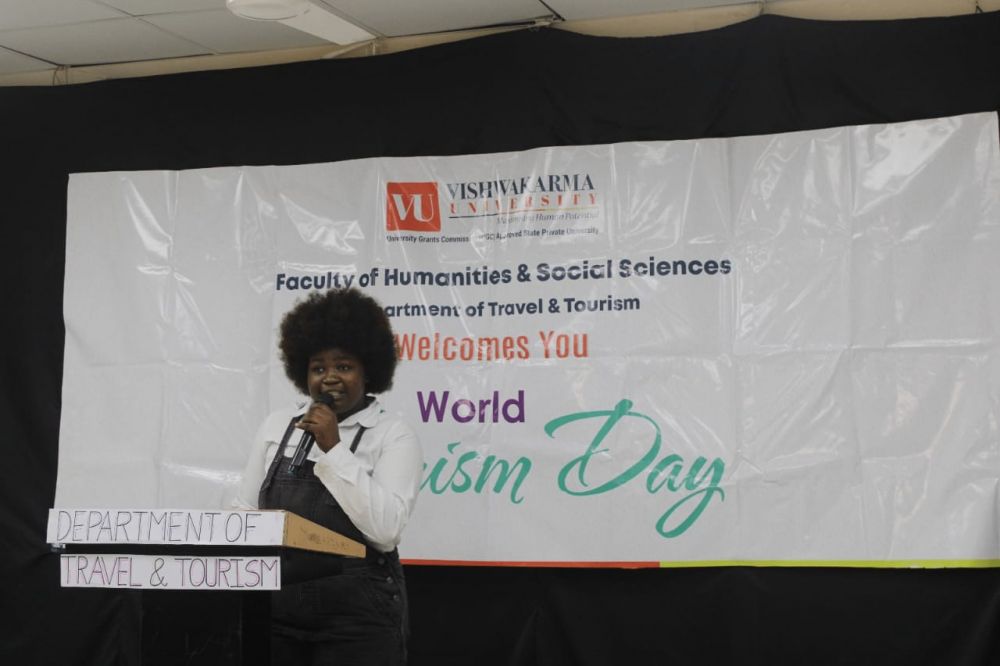
World Tourism Week Celebration Report 2024

Occasion: World Tourism Day (September 27, 2024)

Theme: Tourism and Peace

Total Participants: 25

Week-Long Activities:

Day 1: September 23rd, 2024

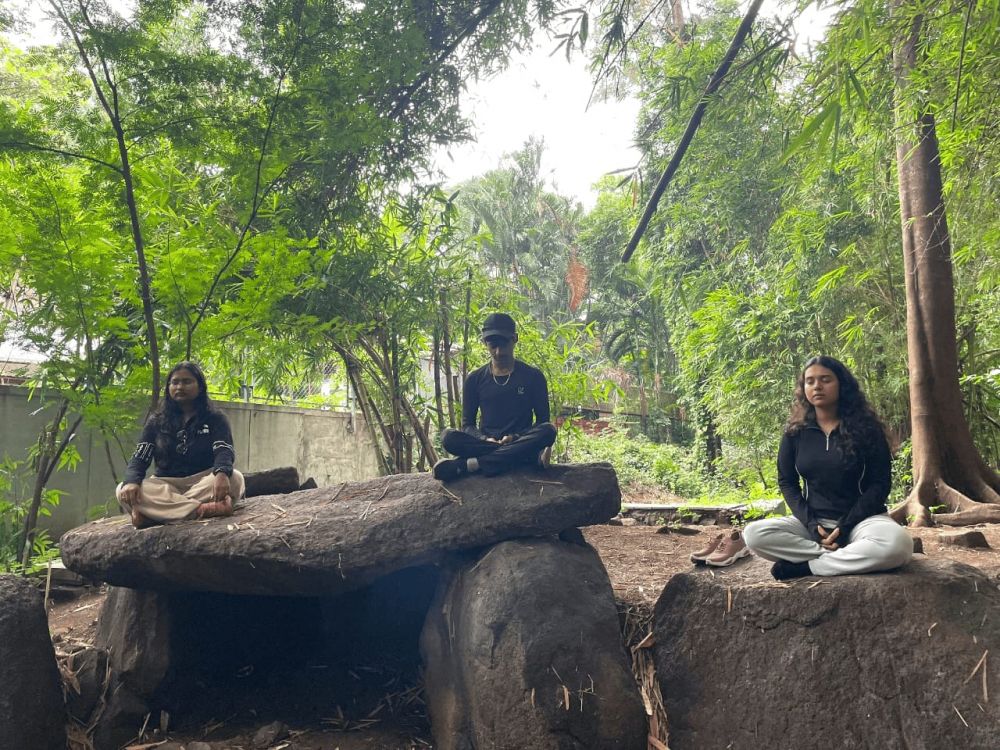
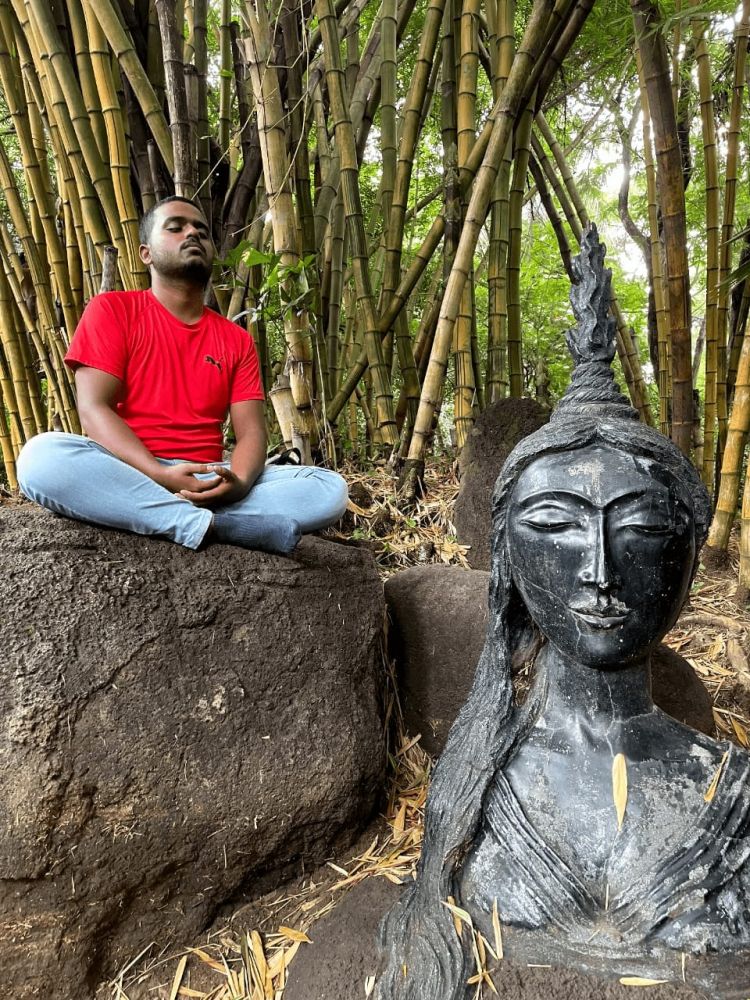
  • Activity: Mindfulness and Meditation at Osho Garden,Pune
  • SDG Alignment: SDG 3: Good Health and Well-being (Promoting mental and physical well-being)

Day 2: September 24th,2024

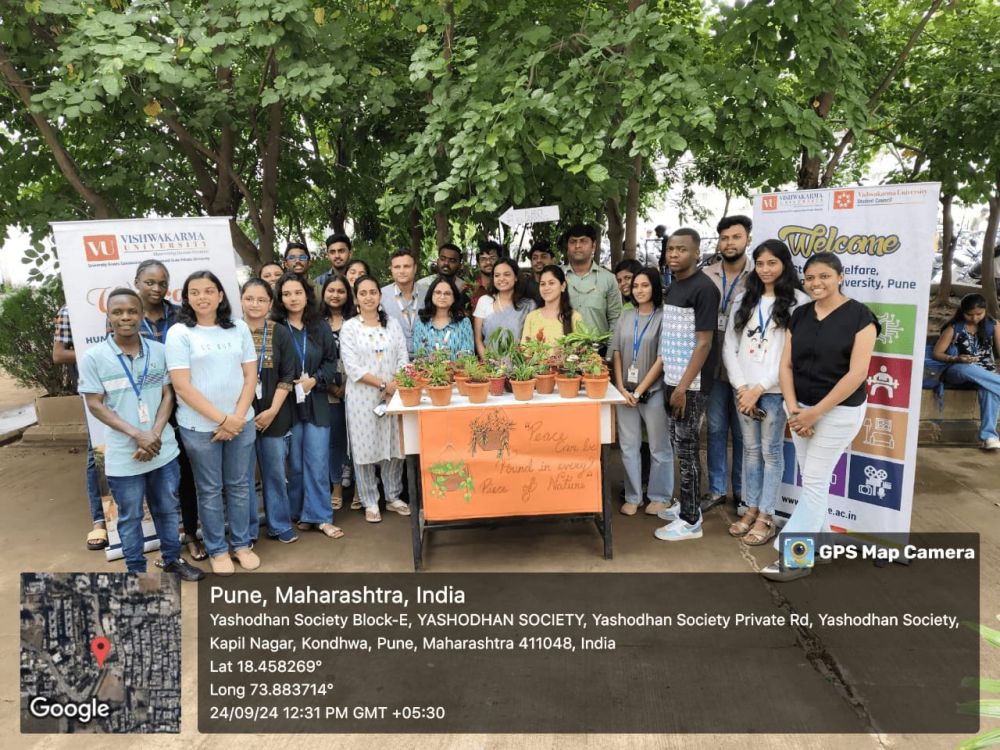
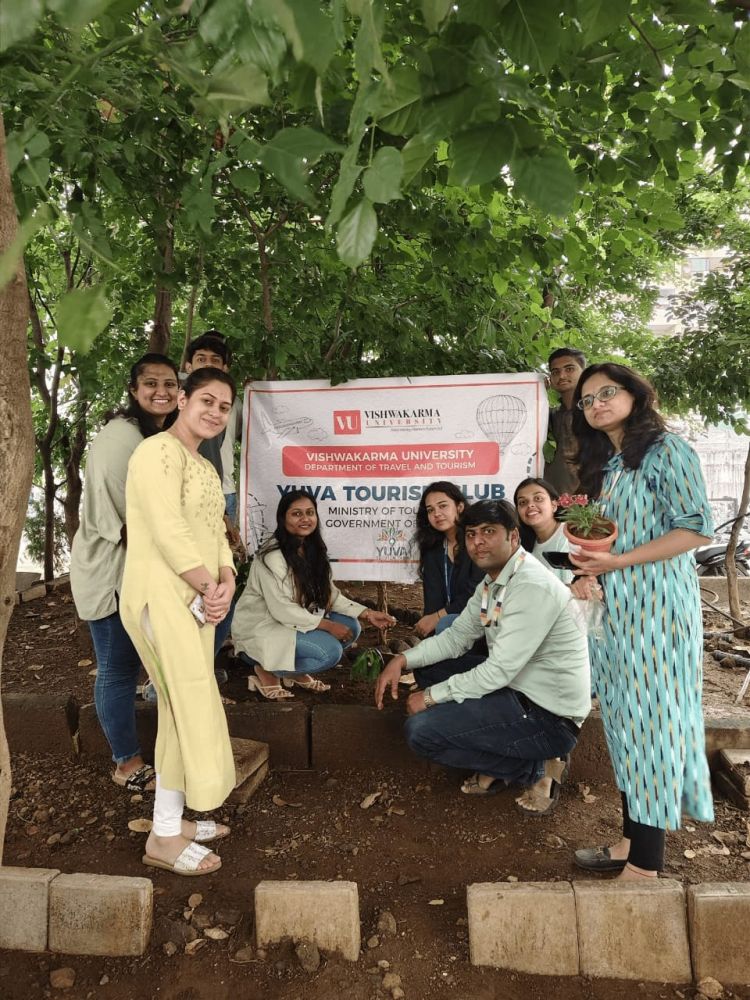
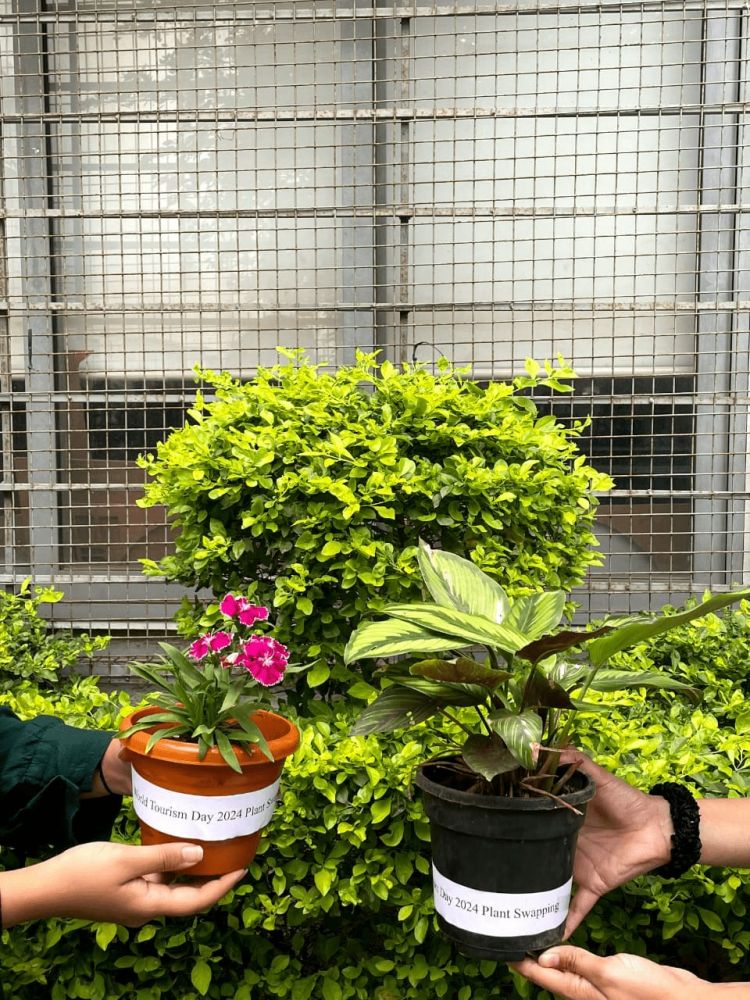
  • Activity: Plant Swap 
  • SDG Alignment: SDG 11: Sustainable Cities and 

Day 3: September 25th,2024

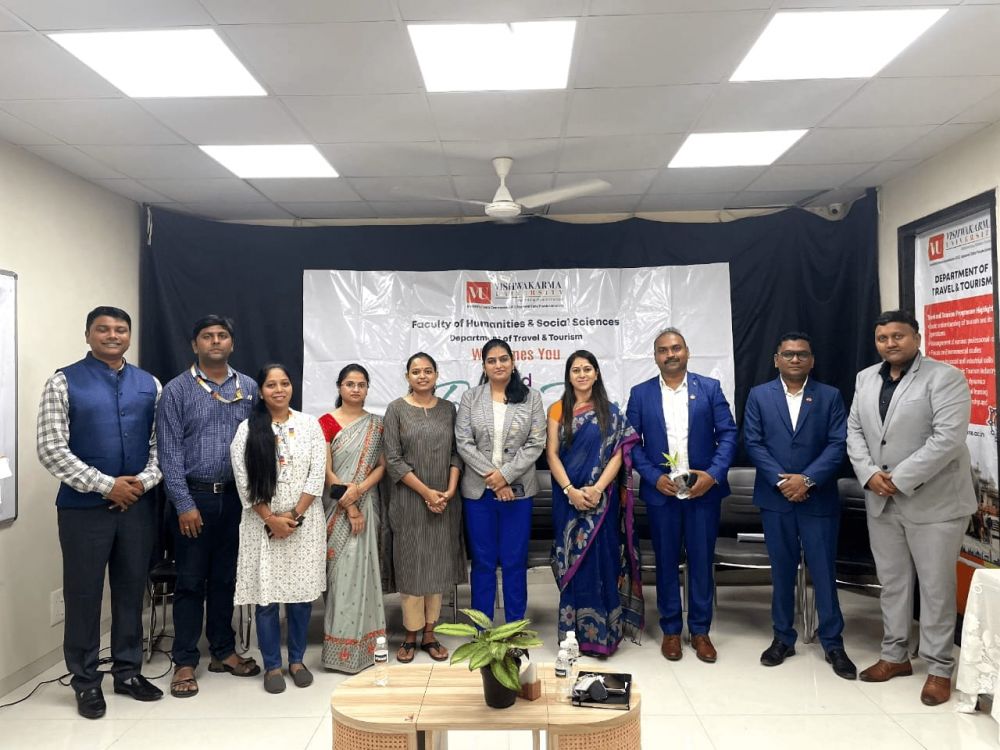
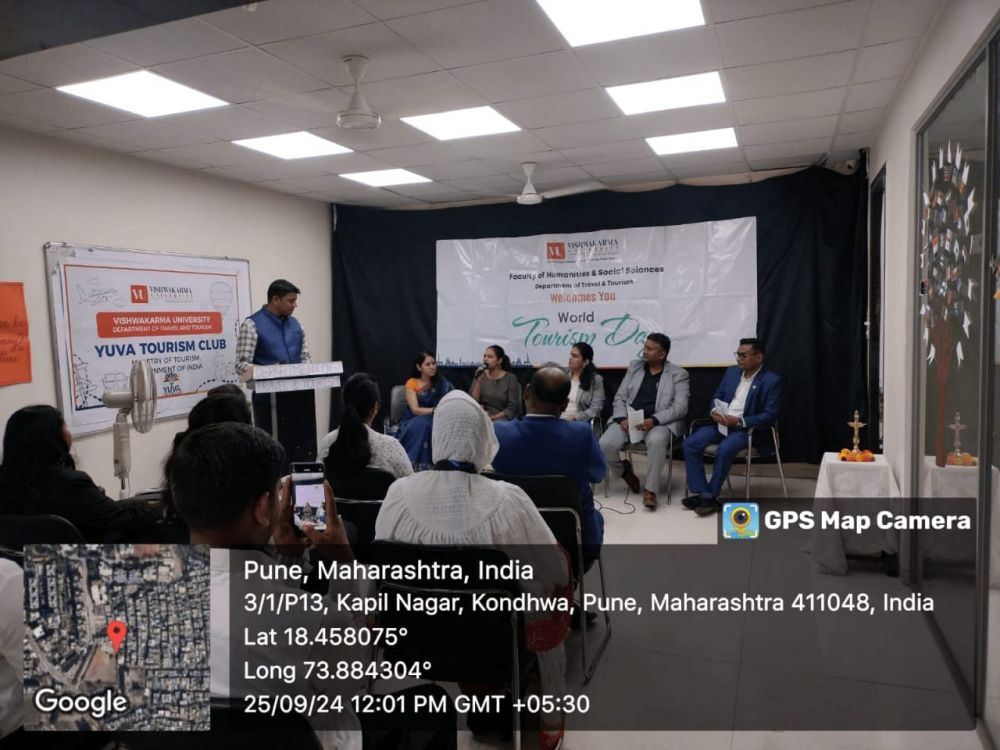
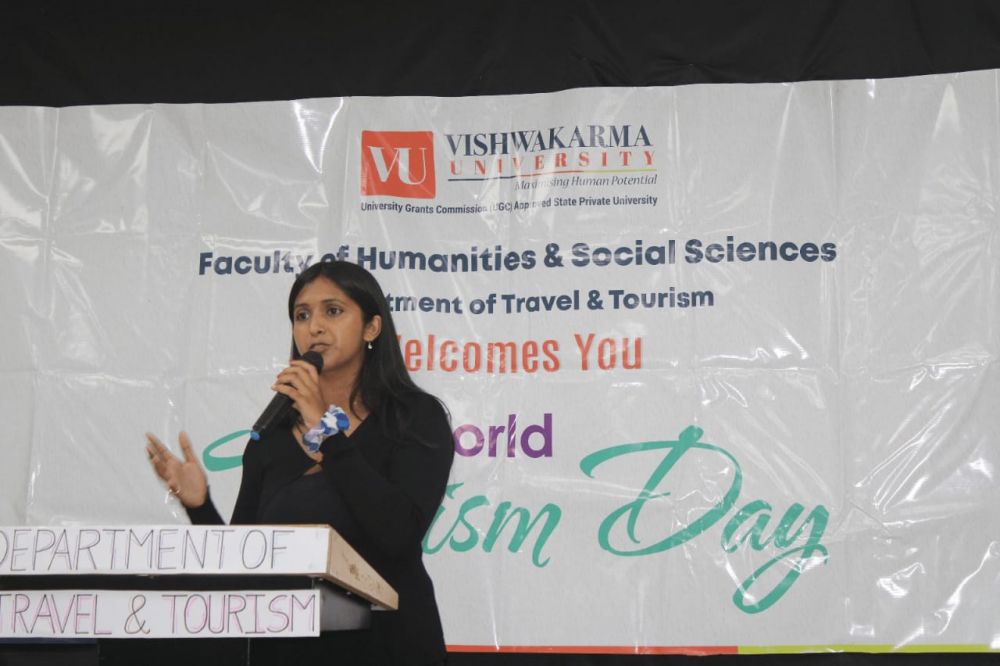
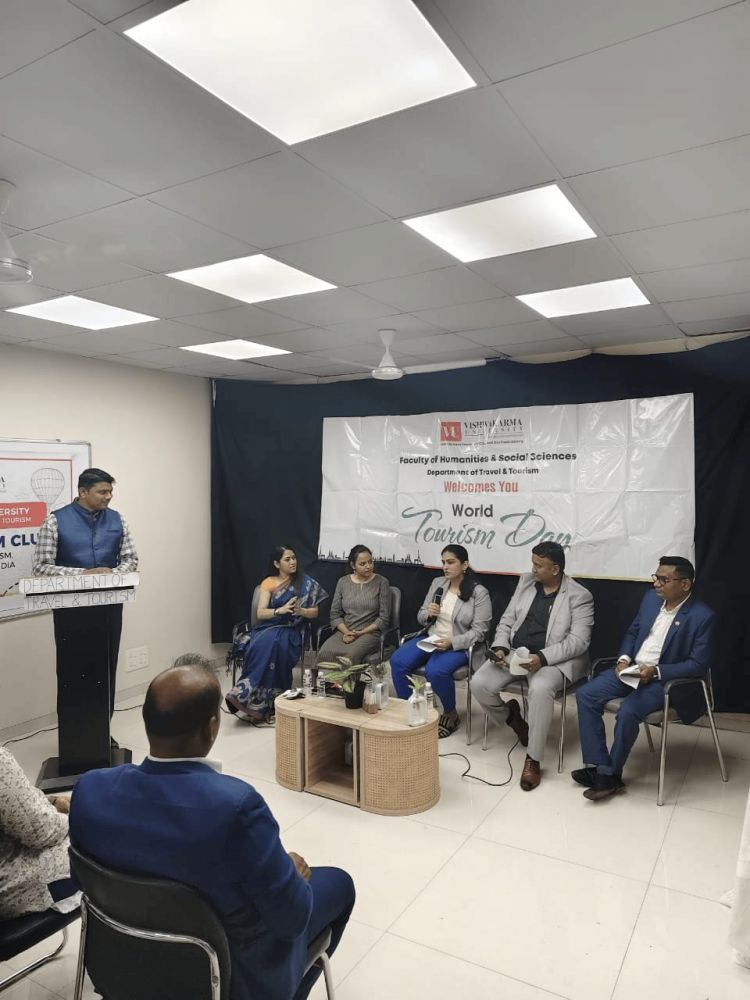
  • Activity: Panel Discussion: "Tourism and Peace"
  • SDG Alignment: SDG 8: Decent Work and Economic Growth, SDG 12: Responsible Consumption and Production (Promoting sustainable tourism practices)

Day 4: September 27th ,2024

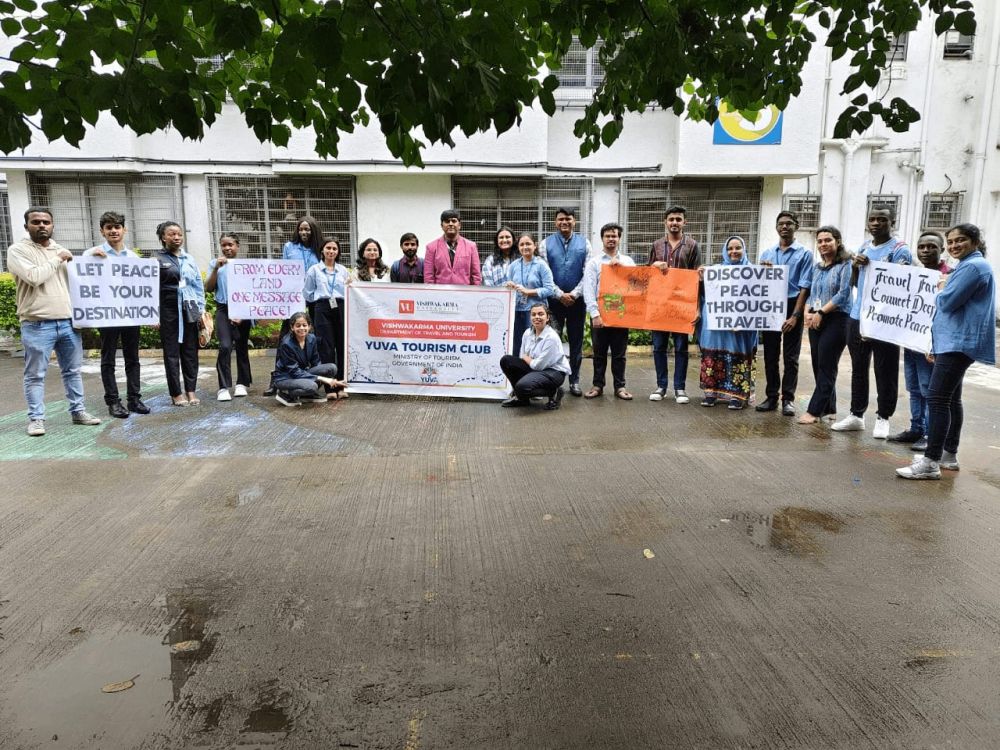
  • Activity: Peace Rally: Advocating for Responsible Tourism and Global Understanding
  • SDG Alignment: SDG 16: Peace, Justice, and Strong Institutions (Promoting peaceful tourism and intercultural dialogue)
  • Activity: Elocution Competition: " Peace and conflict resolution in Tourist destinations,Sustainability,UNWTO goals," 
  • SDG Alignment: SDG 4: Quality Education (Encouraging critical thinking and communication skills), SDG 10: Reduced Inequalities (Promoting cultural understanding and diversity)
  • Overall :

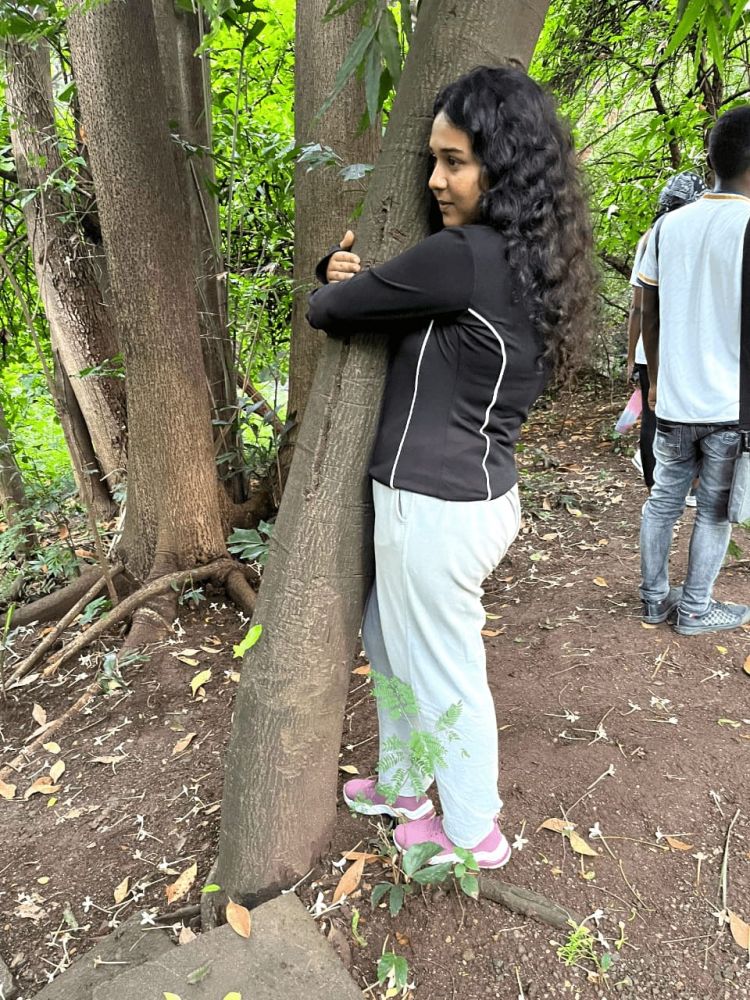
The World Tourism Week celebration was a resounding success, aligning with multiple Sustainable Development Goals (SDGs). The activities fostered mindfulness, environmental stewardship, economic growth, and global understanding.

The mindfulness session at Osho Garden,Pune promoted mental and physical well-being, contributing to SDG 3. The plant swap and gardening workshop encouraged sustainable urban living and aligned with SDG 11. The panel discussion explored the intersection of tourism and sustainable development, addressing SDGs 8 and 12. The peace rally advocated for responsible tourism and global understanding, contributing to SDG 16.

By integrating these activities, the celebration effectively demonstrated the potential of tourism to contribute to a more sustainable and equitable future.


Published in Events
Wednesday, 09 October 2024 08:53

Workshop on Research in Tourism

Date: 10th September 2024
Time: 11:15 AM to 12:45 PM
Venue: Room 4206
Event Mode: Hybrid

Student and Faculty Participants:

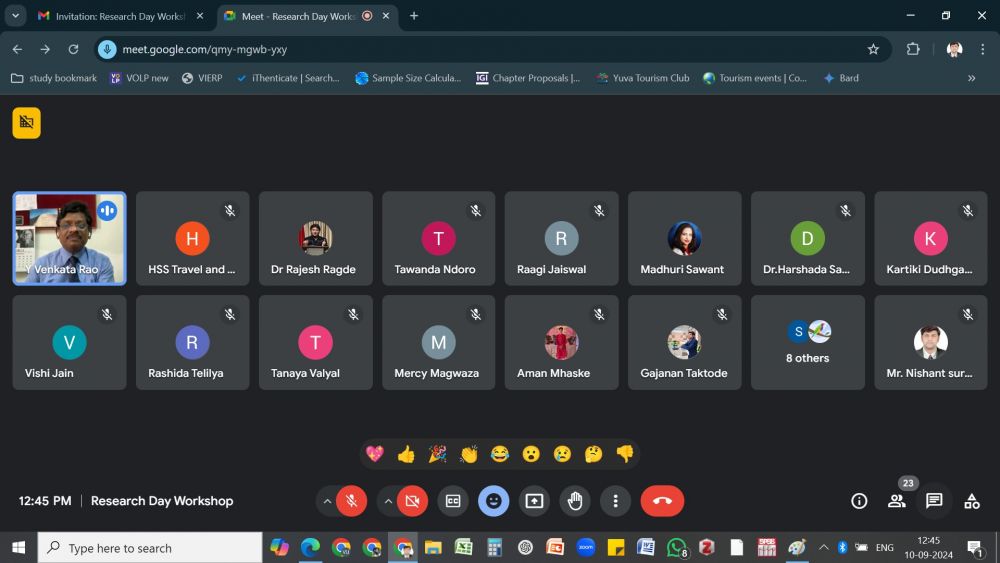
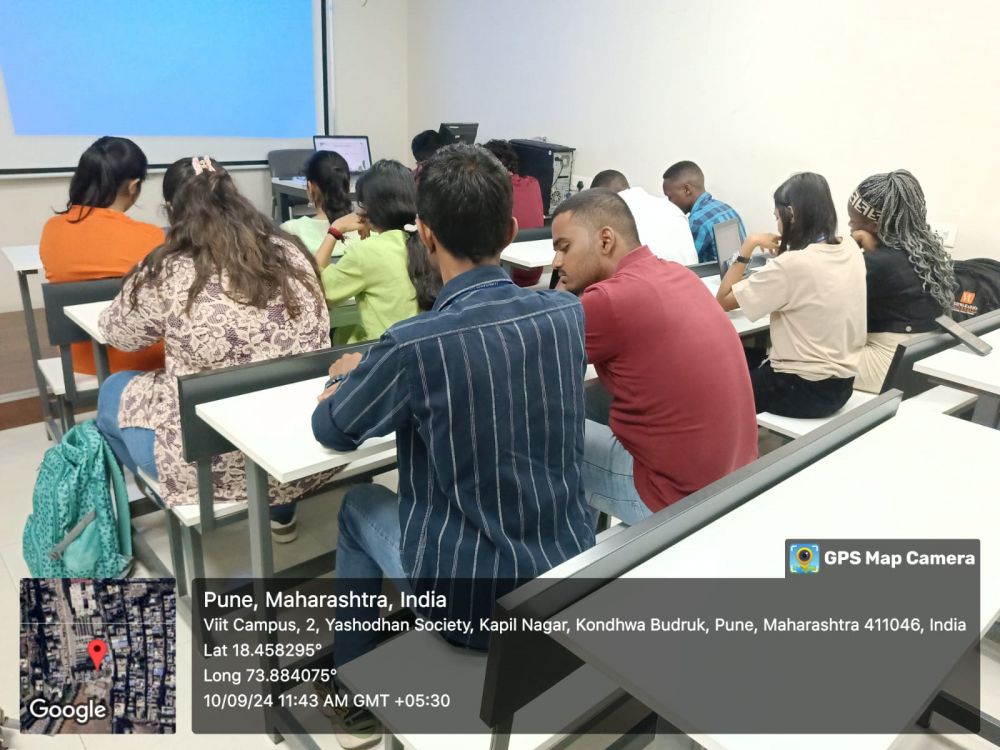
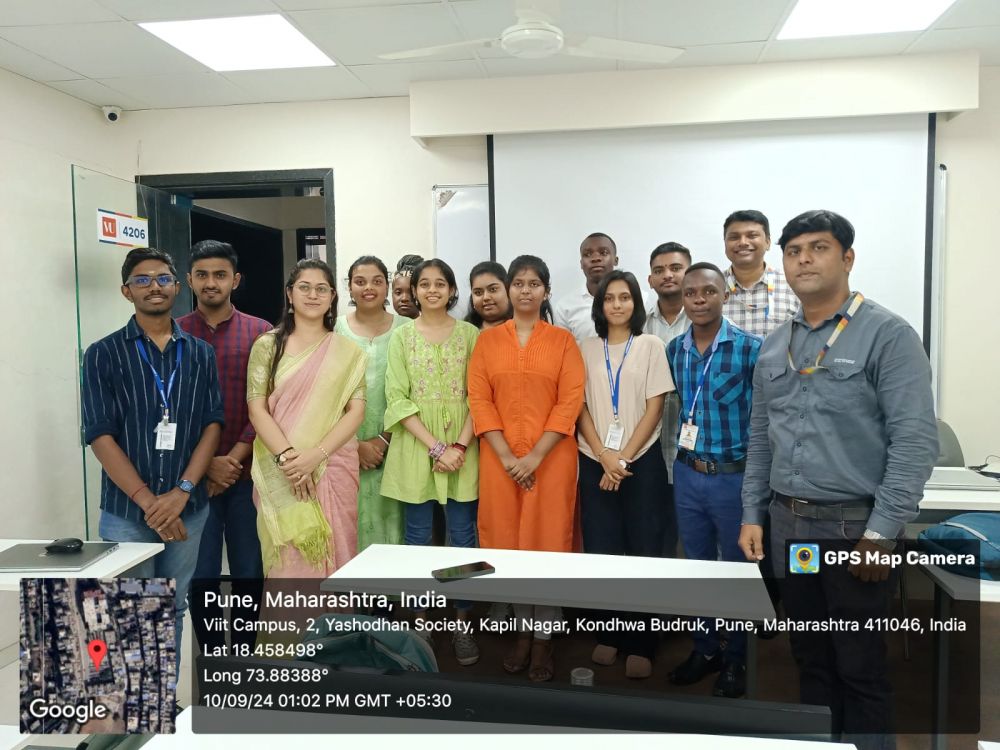
  • Department of Travel and Tourism,Vishwakarma University,Pune: 20
  • Department of Tourism Administration,Dr.Babasaheb Ambedkar Marathwada University,Chh.Sambhajinagar: 40
  • Total Participants: 60

Expert for the Session: Dr. Y. V. Rao, Professor -Tourism Studies, Pondicherry University,Puducherry,India.

Other Present Experts:- 

  • Dr.Madhuri Sawant, Director, Department of Tourism Administration, Dr.BAM University, Chh.Sambhajinagar.
  • Dr.Rajesh Ragade, Professor, Department of Tourism Administration, Dr.BAM University, Chh.Sambhajinagar.

Summary of the Workshop

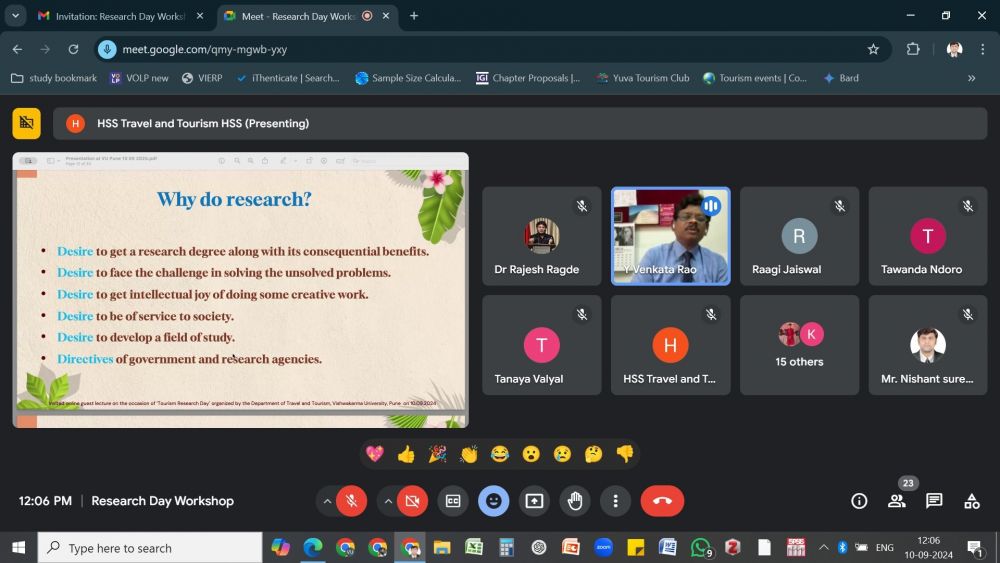
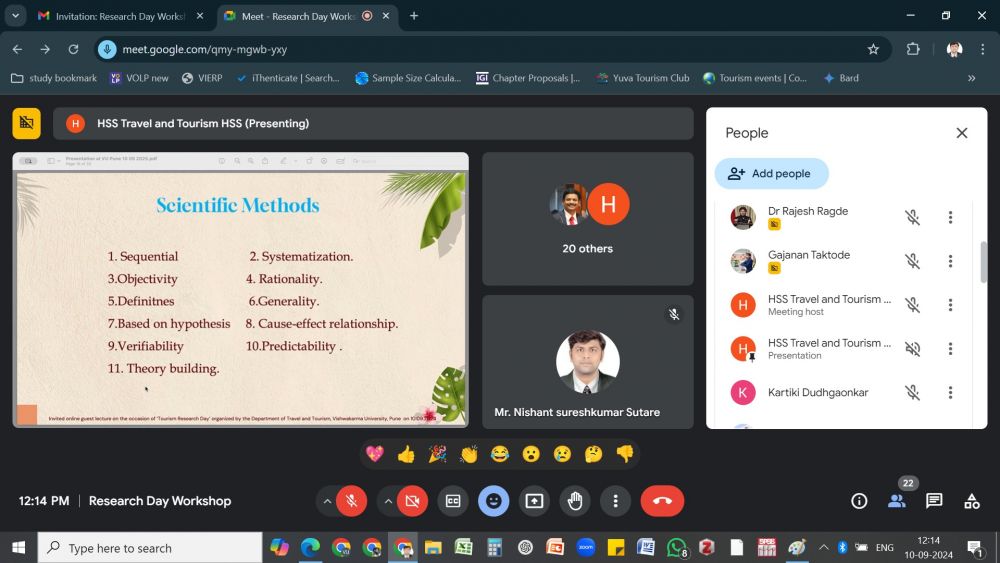
On the occasion of 7th Research Day Department of Travel and Tourism,Vishwakarma University,Pune has conducted a workshop on Research in Tourism on 10th September 2024, from 11:15 AM to 12:45 PM in Room 4206. The session was held in a hybrid format, accommodating both in-person and online participants. Dr. Y. V. Rao, a renowned expert in the field, led the workshop.

Key Highlights:

The lecture was focused on key elements of tourism research:

  1. Nature of Research: Research is a systematic process for gaining new knowledge, involving invention, discovery, and inquiry.
  2. Academic Research: It fosters critical thinking and aims to contribute new knowledge to society.
  3. Research Philosophy: Key philosophical aspects—Ontology, Epistemology, and Axiology—guide the research approach.
  4. Tourism as a Discipline: Tourism is a socio-economic field, and its study combines elements from management, economics, sociology, and more.
  5. Research Approaches: Various methods, including historical, institutional, and sociological, are used based on the research focus.
  6. Future Trends: Growth in tourism, sustainability, and technology integration are important, with areas like virtual tourism and wellness gaining prominence.
  7. Research Ethics: Ethical conduct in research is essential for contributing responsibly to knowledge and society
  • Introduction to Tourism Research: Dr. Rao provided an overview of the current trends and methodologies in tourism research.
  • Case Studies: Real-world examples were discussed to illustrate successful research projects in tourism.
  • Interactive Q&A: Participants engaged in a lively Q&A session, gaining insights into practical challenges and solutions in tourism research.

Objectives of the Workshop

  1. Enhance Research Skills: Equip participants with advanced research methodologies and techniques specific to the tourism industry.
  2. Promote Collaboration: Foster networking and collaboration opportunities among participants from different departments.
  3. Provide Practical Insights: Share real-world examples and case studies to illustrate the application of research in tourism.
  4. Encourage Critical Thinking: Stimulate discussion and critical thinking through interactive Q&A sessions.
  5. Update on Trends: Inform participants about the latest trends and developments in tourism research.

Outcomes

  1. Enhanced Knowledge: Participants gained a deeper understanding of advanced research techniques and their applications in tourism.
  2. Networking: The hybrid format facilitated networking among participants from different departments, fostering potential collaborations.
  3. Practical Insights: Attendees left with actionable insights and strategies to apply in their own research projects.

The workshop was well-received, with positive feedback highlighting the expertise of Dr. Rao and the interactive nature of the session. The event successfully met its objectives of enhancing research skills and fostering collaboration among participants.


Published in Events

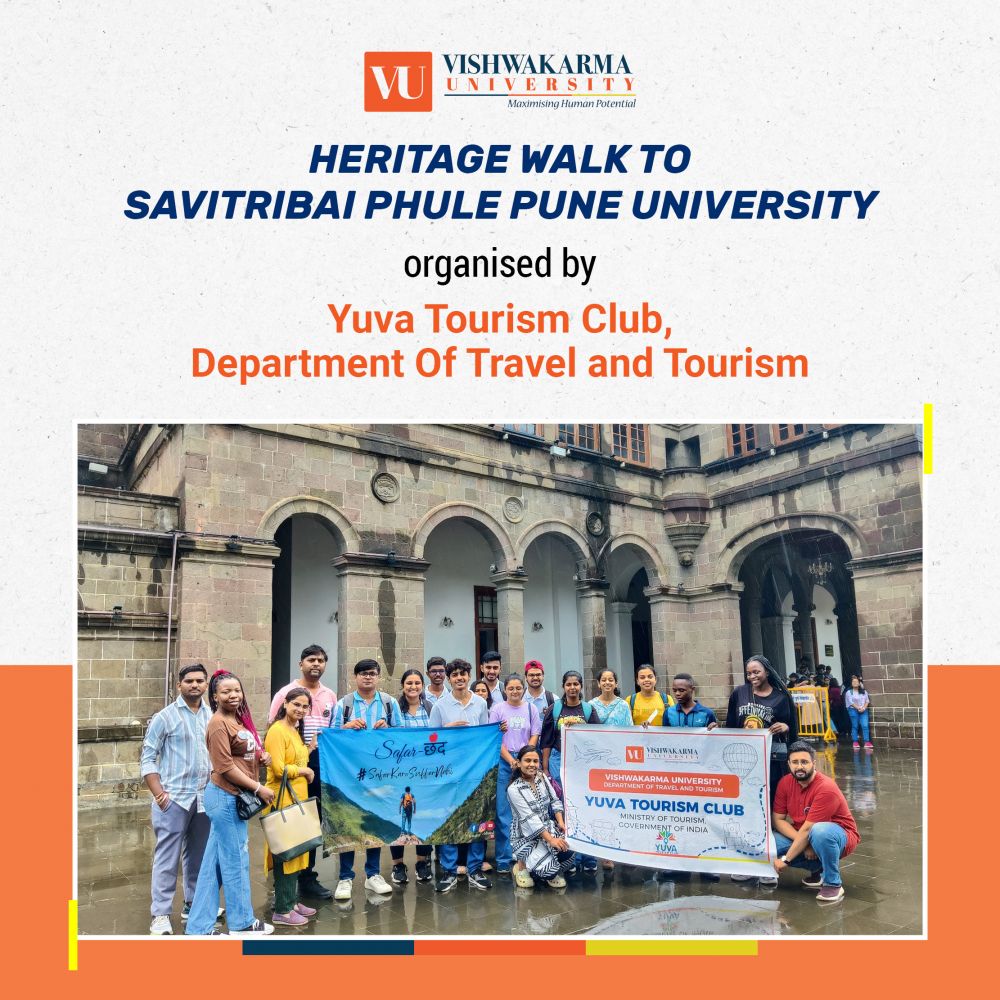
Date: 24 August 2024
Time: 10:00 AM to 02:00 PM
Organized by: Yuva Tourism Club,Department Of Travel and Tourism,Vishwakarma University,Pune
Number of Participants: 16

1. Introduction

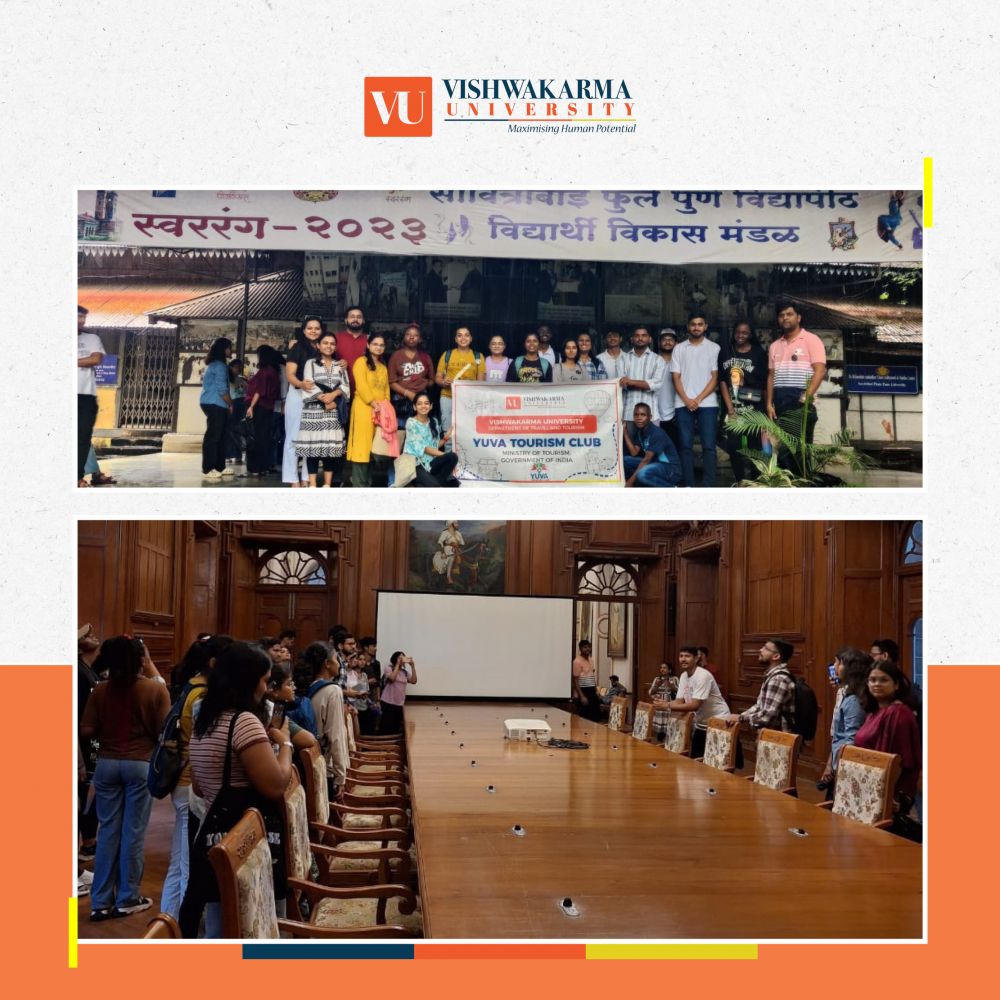
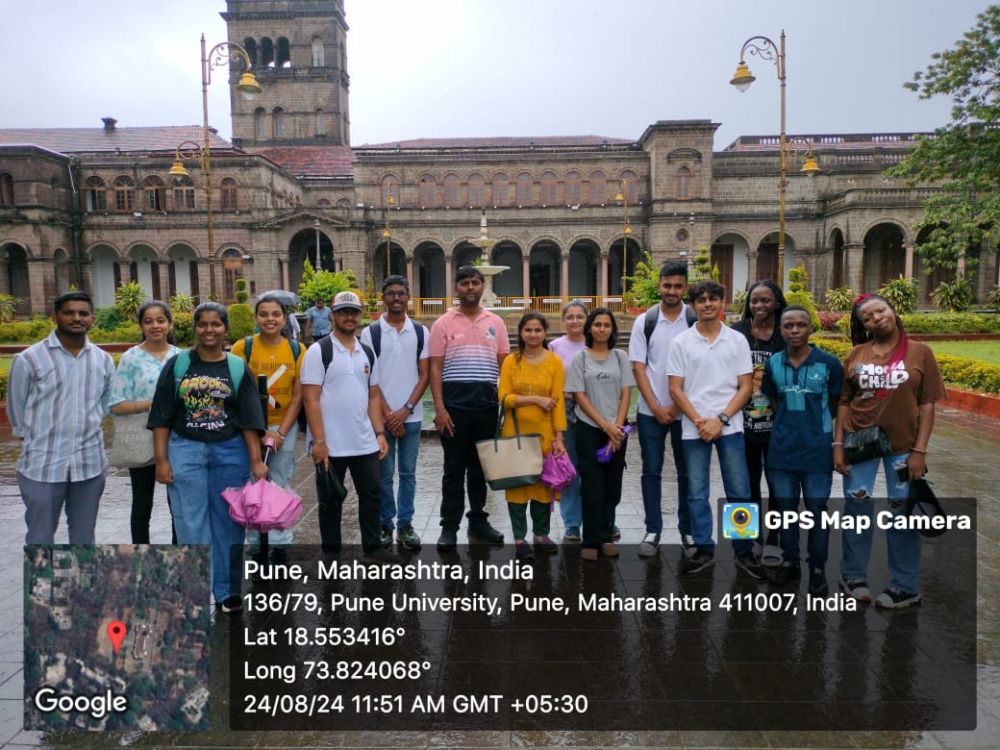
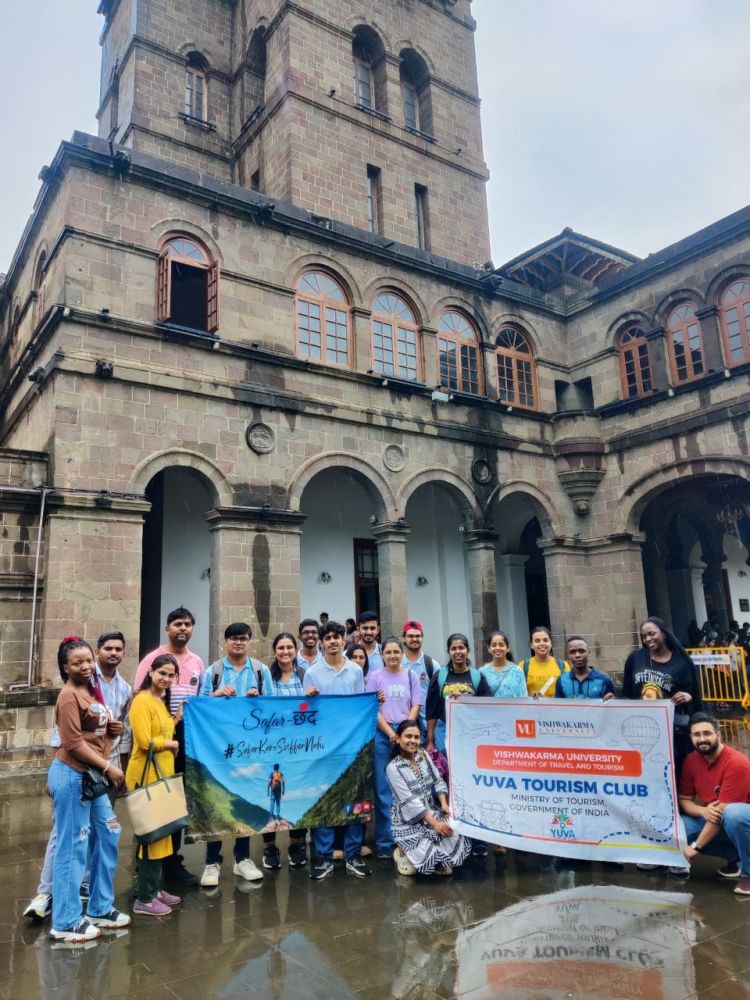
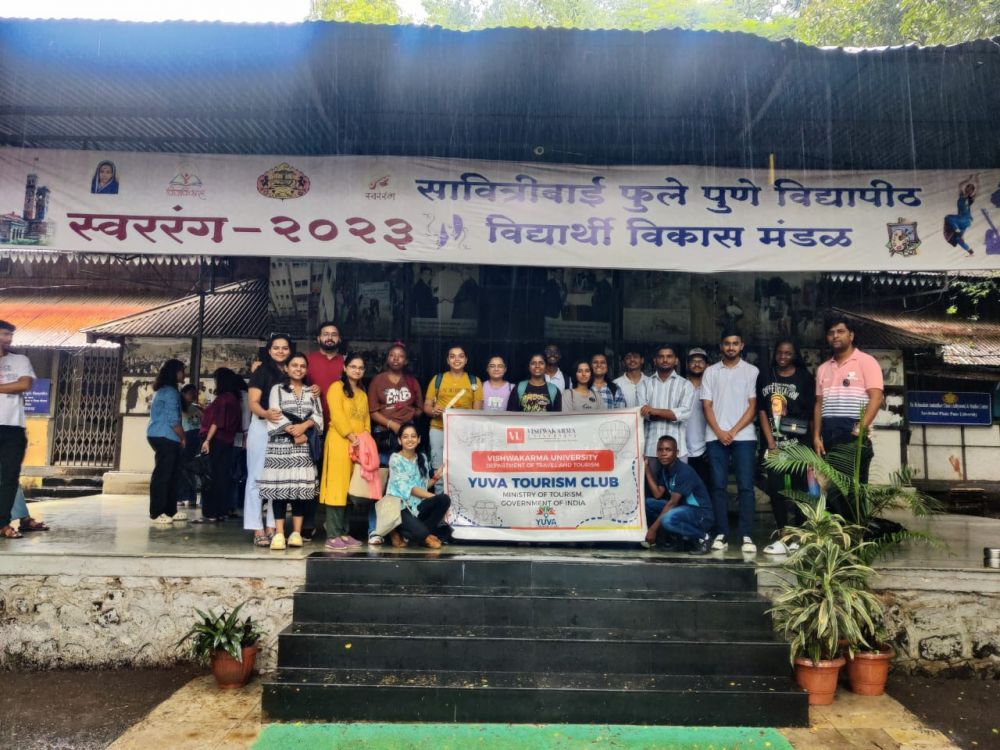
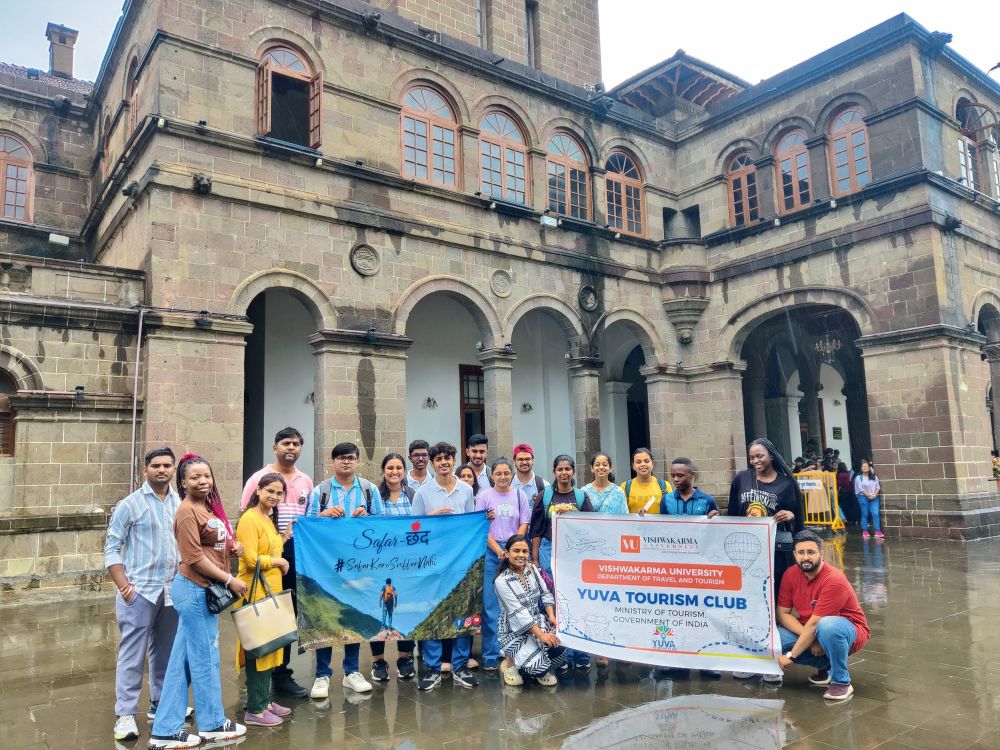
In alignment with the guidelines set forth by India Tourism, Ministry of Tourism, Government of India, YTC successfully organized a heritage walk to Savitribai Phule Pune University, Pune, on 24 August 2024. This event was part of a broader initiative to promote heritage tourism and educate participants about the rich cultural and historical significance of local landmarks.

2. Objective of the Heritage Walk

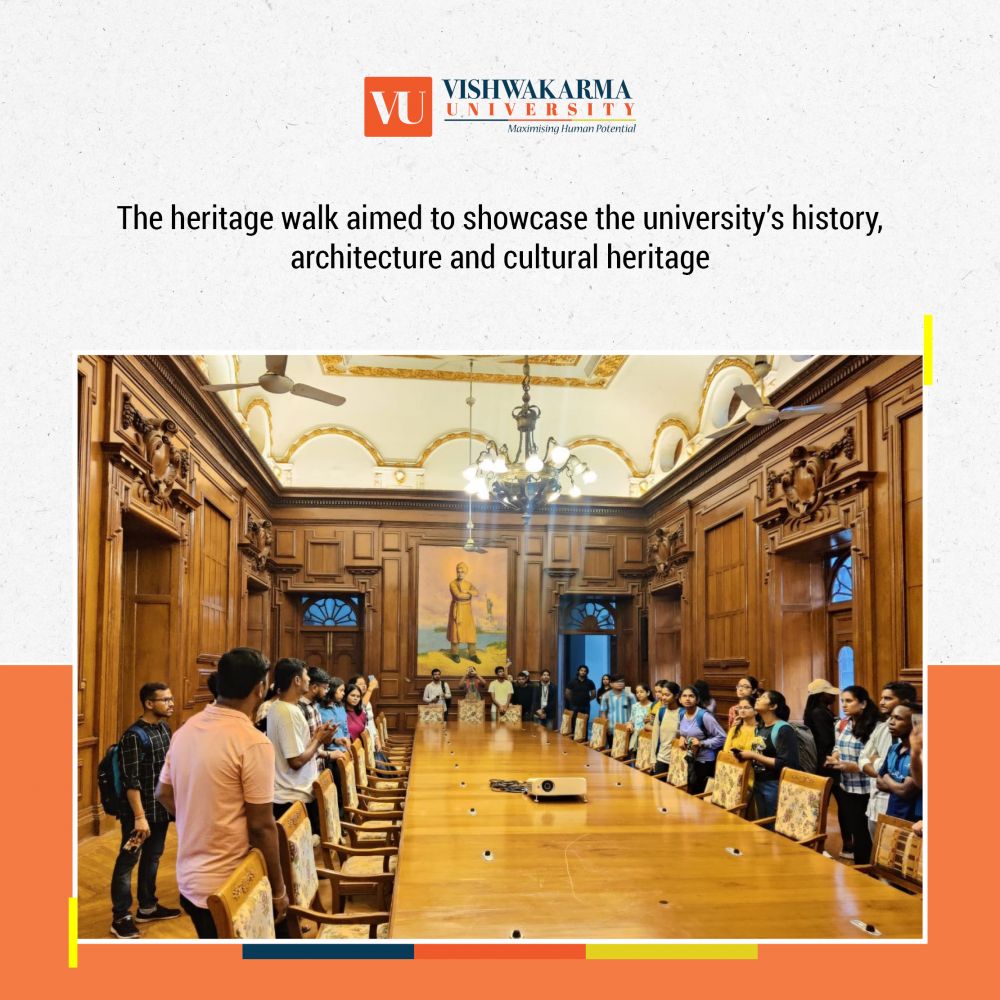
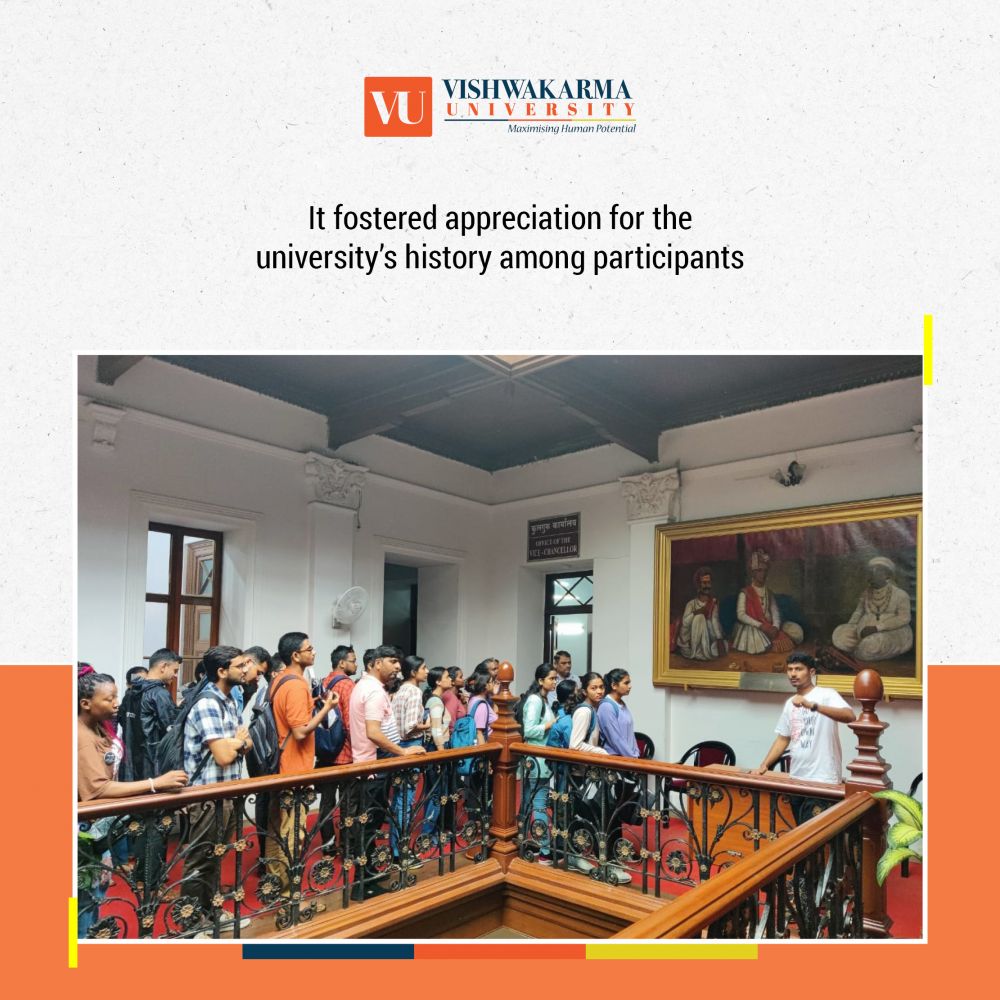
The primary objective of the heritage walk was to familiarize participants with the historical significance, architectural beauty, and cultural heritage of Savitribai Phule Pune University. The walk aimed to provide an engaging and educational experience, fostering a deeper appreciation for the university’s historical legacy among the participants.

3. Event Details

  • Date: 24 August 2024
  • Time: 10:00 AM to 02:00 PM
  • Venue: Savitribai Phule Pune University, Pune
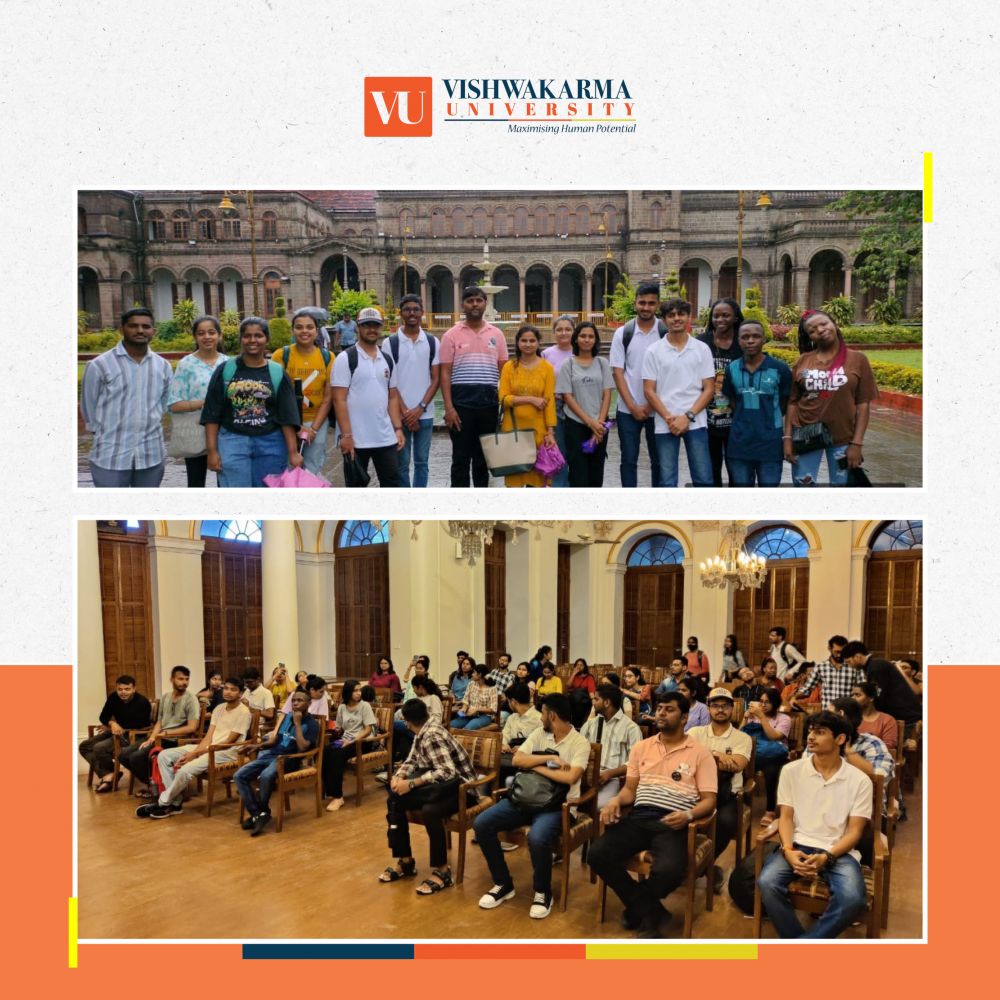
  • Participants: 16 individuals, including students, history enthusiasts, and local residents

4. Event Overview

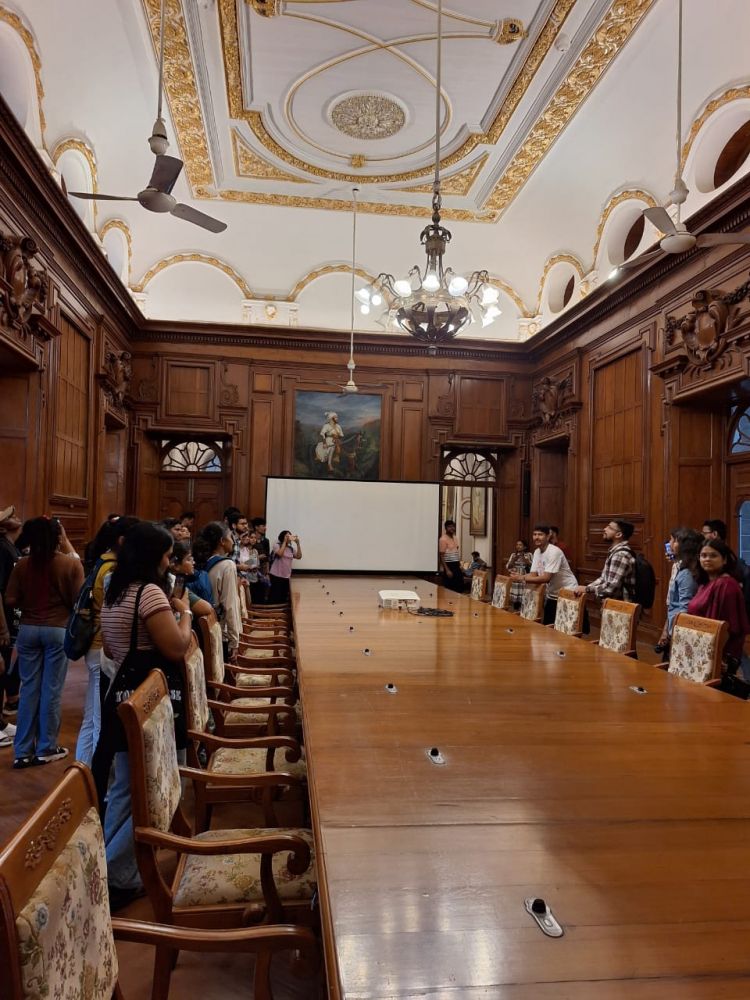
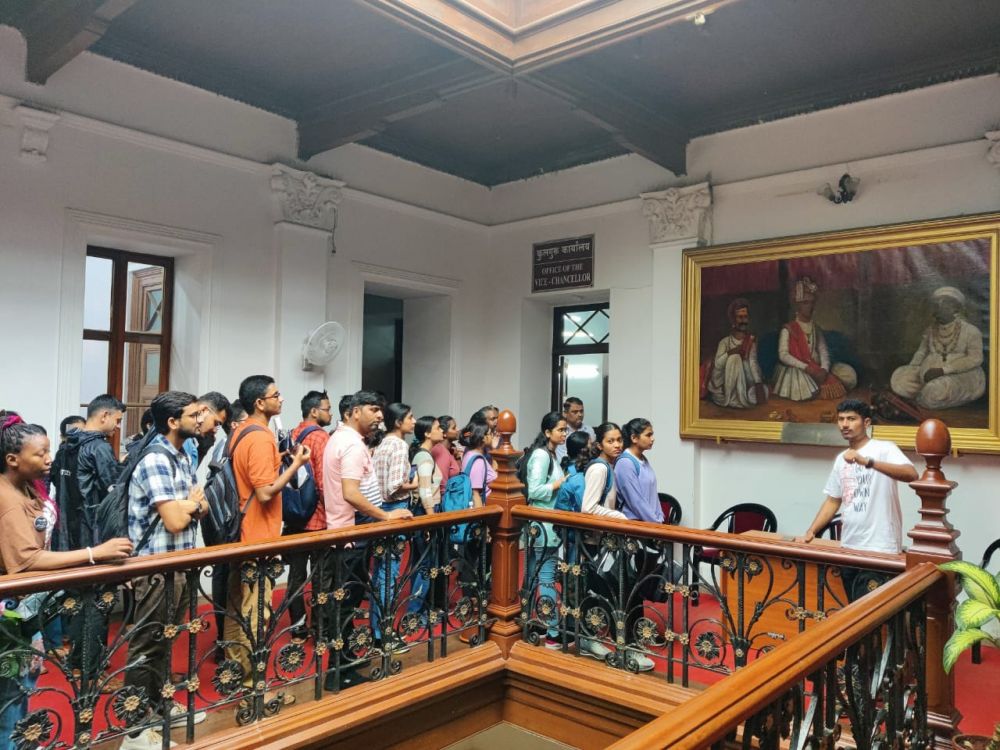
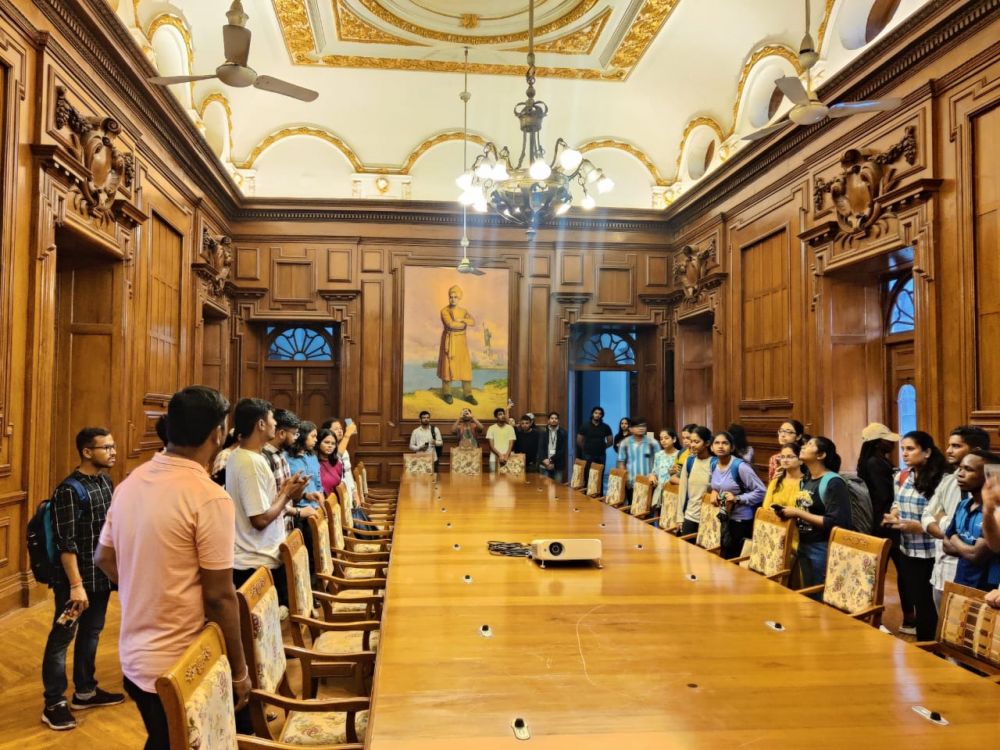
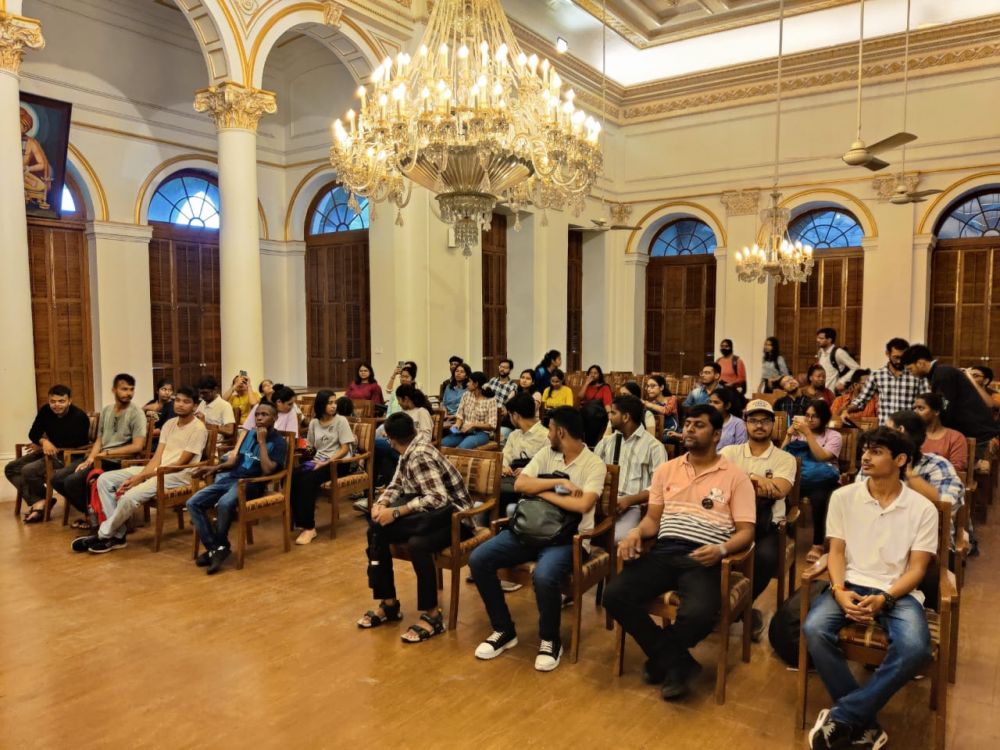
The heritage walk commenced at 10:00 AM with a brief introduction to the history of Savitribai Phule Pune University, originally established in 1949 and named after the pioneering social reformer Savitribai Phule. The participants were guided through various significant spots within the main building university campus which showcase the unique blend of Gothic and Indian architectural styles.

Throughout the walk, the guide provided detailed explanations of the architectural features, historical context, and the university’s role in the socio-cultural development of Pune. The participants were also given insights into the university's contributions to education and social reform in India.

5. Key Highlights

Main Building: The walk began with a visit to the main building, an architectural marvel designed in the Indo-Gothic style. The guide elaborated on the historical significance of this building, which serves as the administrative center of the university.

6. Participant Feedback

The participants expressed their appreciation for the well-organized event, noting the depth of information provided by the guide and the opportunity to explore the historical aspects of Savitribai Phule Pune University. Many participants emphasized the educational value of the heritage walk, highlighting how it deepened their understanding of the university's historical and cultural importance.

7. Conclusion

The heritage walk to Savitribai Phule Pune University was a resounding success, fulfilling the objectives set by YTC in accordance with the guidelines from India Tourism. The event not only provided an educational experience for the participants but also contributed to the broader goal of promoting heritage tourism in Pune.


Published in Events

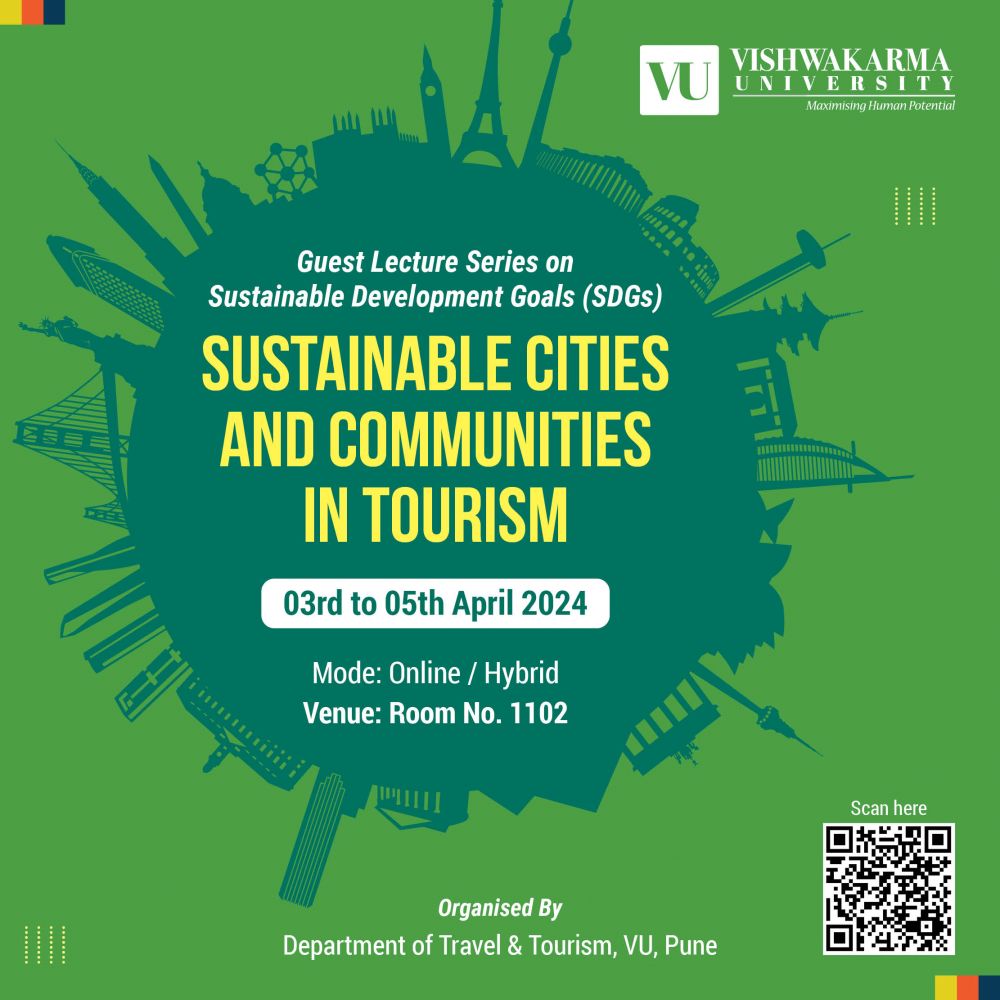
3 - 5 APRIL 2024 | MODE: HYBRID

ORGANIZED BY

DEPARTMENT OF TRAVEL AND TOURISM

VISHWAKARMA UNIVERSITY, PUNE

REPORT for Day-1 | 03-04-2024

  1. The first lecture of the day was conducted by Dr. Rohit Borlikar, Assistant Professor at Indira Gandhi National Tribal University, M.P. In his lecture he pointed out the heightened environmental consciousness, which is imperative to explore initiatives that foster harmony between tourism development and environmental preservation. He explained how communities play a pivotal role in this endeavour, serving as stewards of their cultural and natural heritage.He showcased examples from India where communities' have embarked upon innovative approaches to sustainable tourism. The Spiti Valley's homestay initiatives, where locals open their homes to tourists, offering authentic cultural experiences while mitigating environmental impact. Similarly, the Sundarbans community-based ecotourism projects exemplify partnerships between communities, governments, and NGOs to conserve biodiversity and uplift local livelihoods.He also delved into the principles underpinning these initiatives, exploring their socio-economic benefits, environmental safeguards, and cultural preservation efforts. By studying these models, we can glean invaluable insights into fostering sustainable tourism practices worldwide, ensuring the long-term viability of our planet's most cherished destinations.
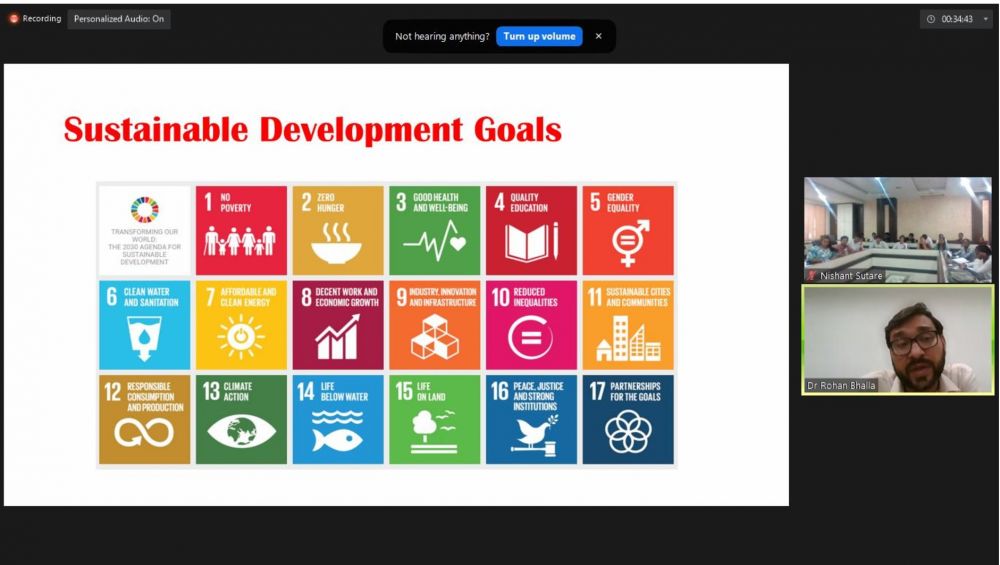
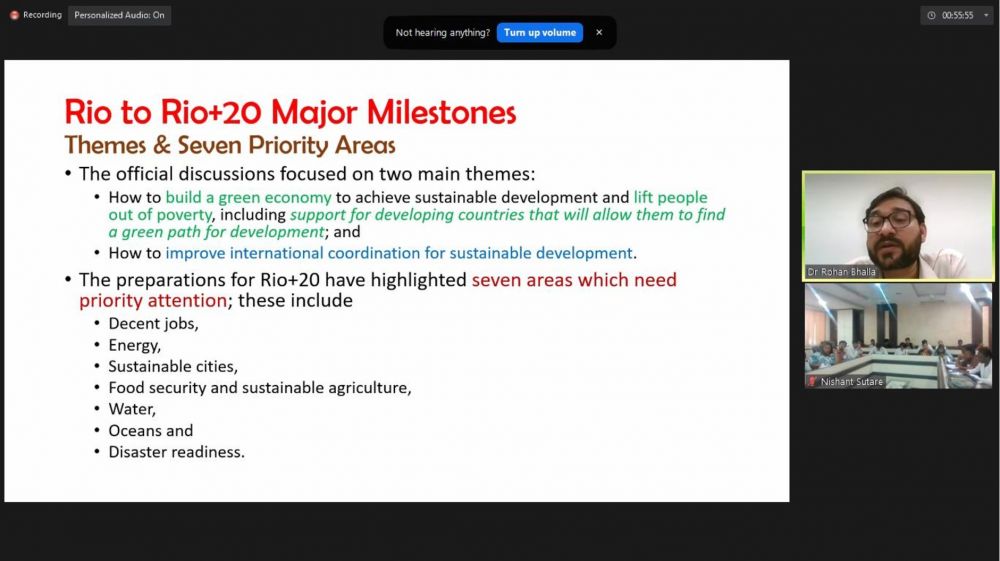
  2. The second lecture was conducted by Dr. Rohan Bhalla, Assistant Professor at Symbiosis International University, Nagpur Campus. In his lecture he explored the profound relationship between urban desolation, rural renaissance, and the pursuit of well-being and sustainability. In a reply to a question by a student He gave the example of Bengaluru, a city emblematic of India's rapid urbanisation. Bengaluru's exponential growth has led to various socio-economic and environmental challenges such as shortage of water, congestion, pollution, and diminishing green spaces. He explained how the travelling from urban to rural destinations not only rejuvenates weary urban souls but also revitalises rural economies, fostering community-led initiatives and preserving local cultures and ecosystems. He also suggested how embracing travel as a tool for personal well-being and environmental stewardship, one can bring a transformative power of sustainable tourism in fostering holistic development and fostering a symbiotic relationship between urban and rural realms.

REPORT for Day-2 | 04-04-2024

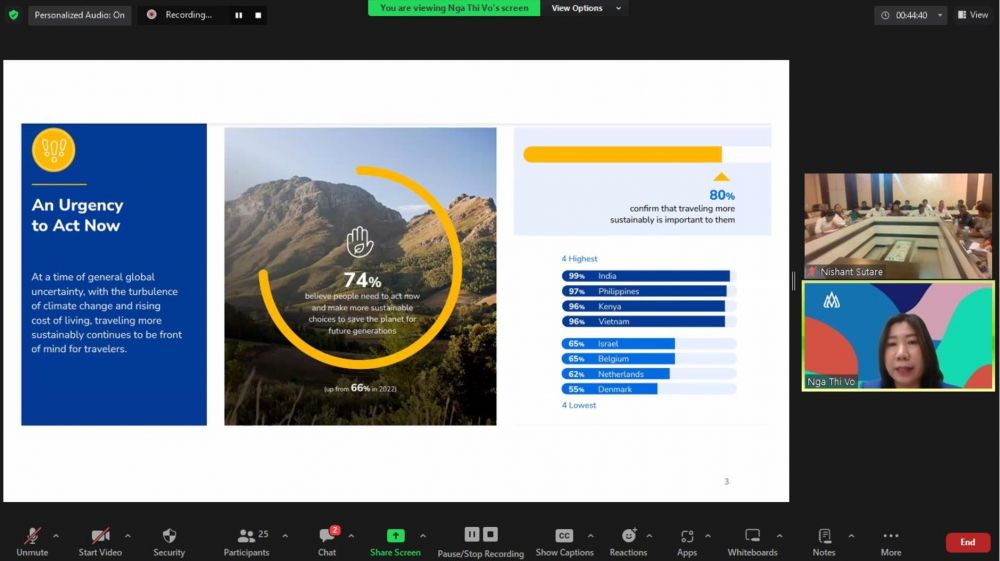
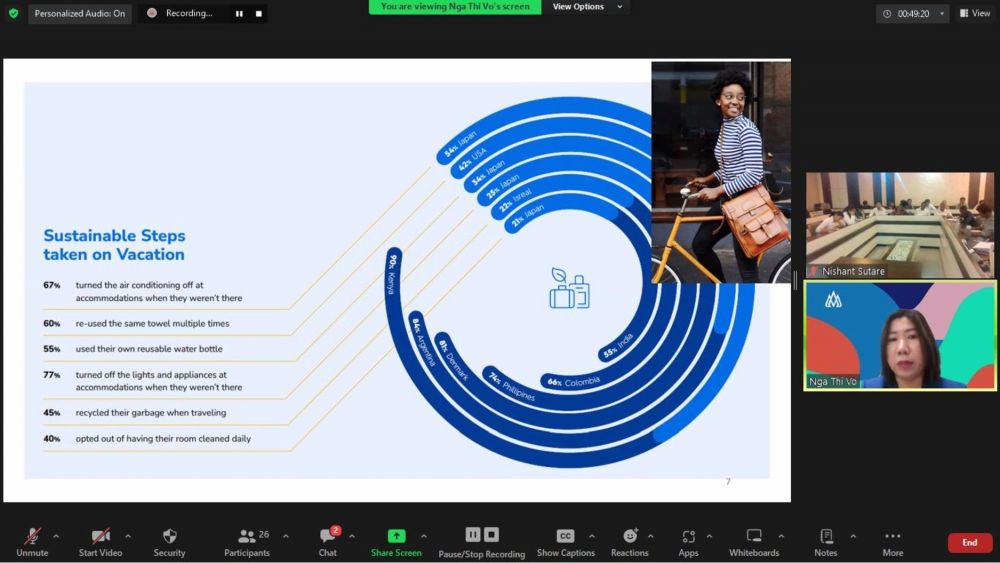
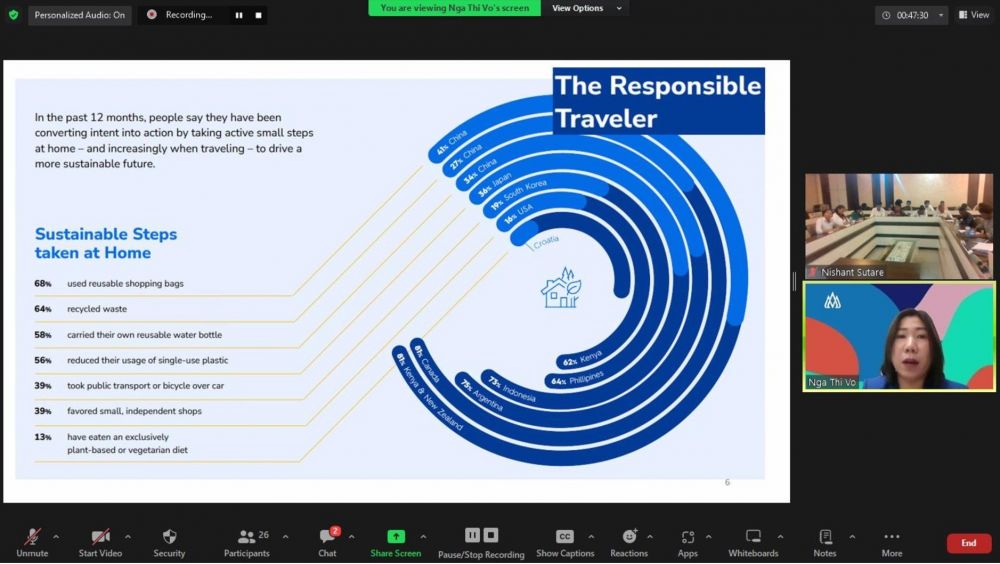
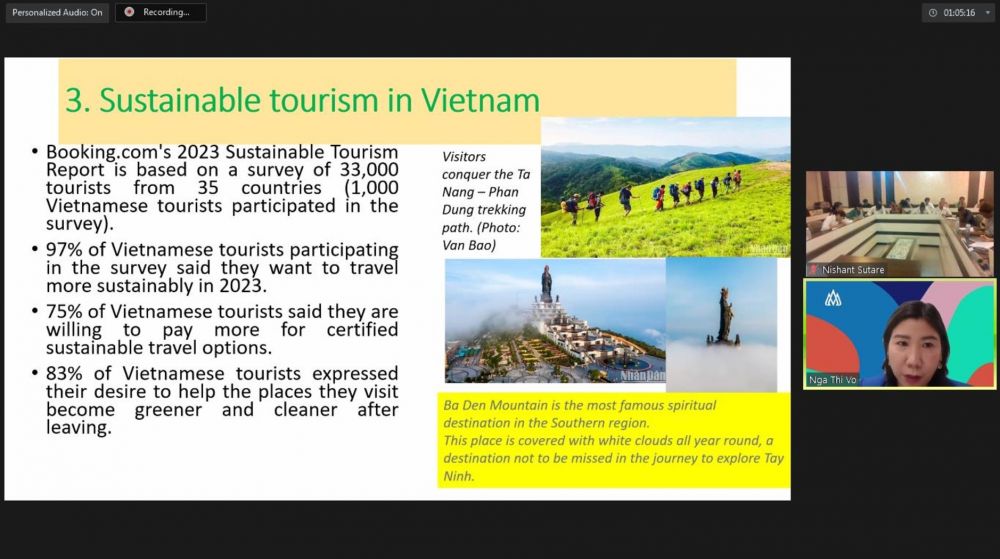
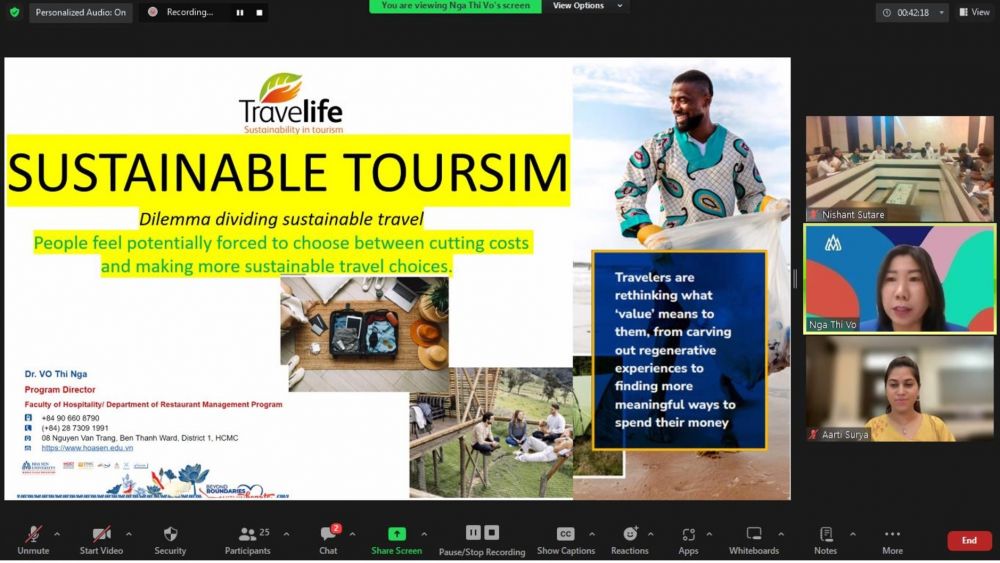
  1. The first lecture of the day was conducted by Dr. Vo Thi Nga (Victoria Vo), Director (Department of Restaurant Management) at Hoa Sen University, Vietnam. In her lecture she presented the intricate nexus of sustainable urban development and tourism, with a spotlight on community participation, drawing insights from Vietnam's dynamic landscape. Vietnam, a burgeoning tourist destination, exemplifies the fusion of traditional charm with modern sustainability initiatives.She gave examples from Vietnam of Hotels like Fusion Maia in Da Nang which embodies the ethos of integrating community engagement through sourcing locally-produced goods, promoting cultural exchanges, and implementing eco-friendly practices. Destinations like Hoi An showcase the transformative power of community-led initiatives in preserving heritage while fostering tourism growth sustainably. The city's participatory approaches, such as the "Clean Up Hoi An" campaign driven by locals, demonstrate the pivotal role of community involvement in maintaining environmental integrity and enhancing visitor experiences.
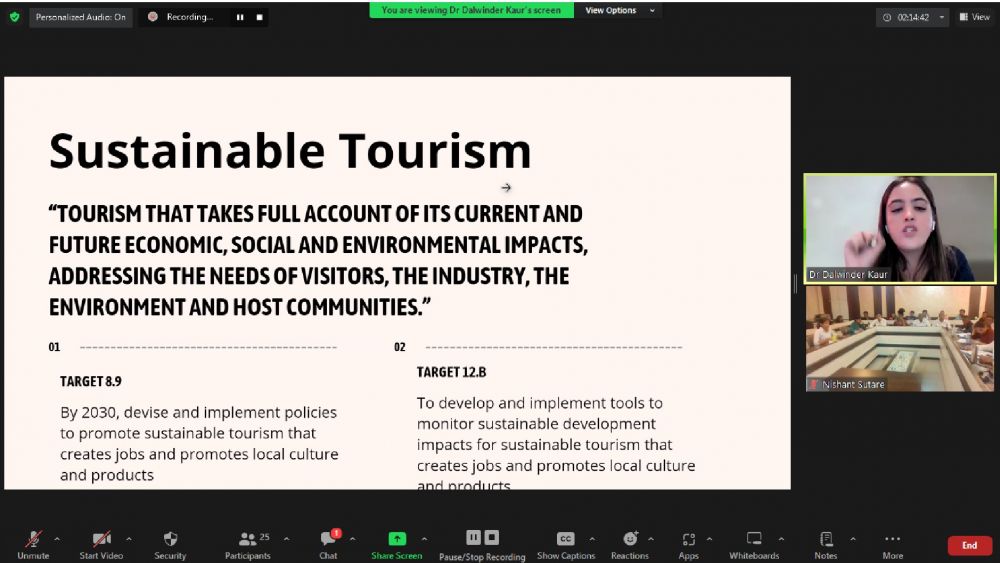
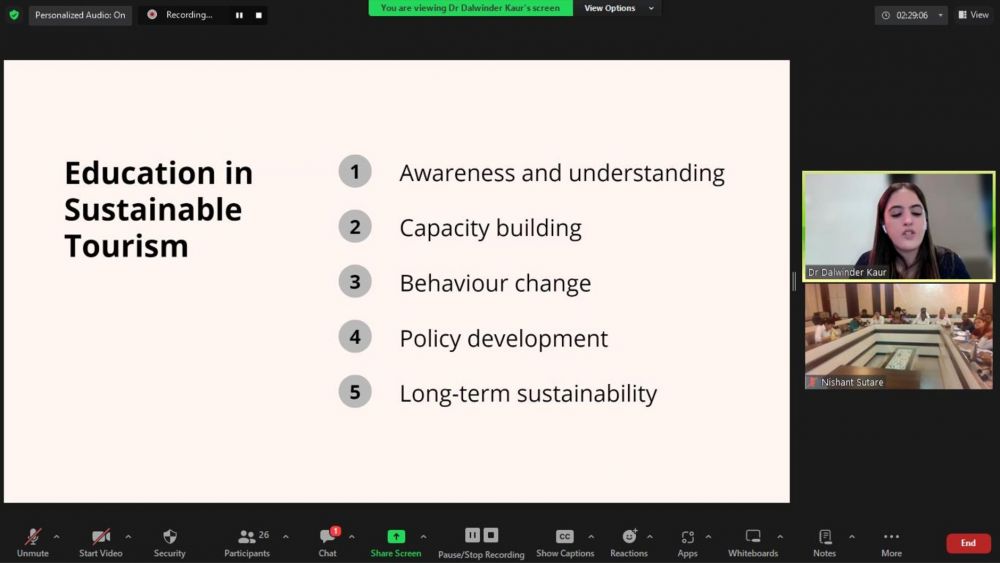
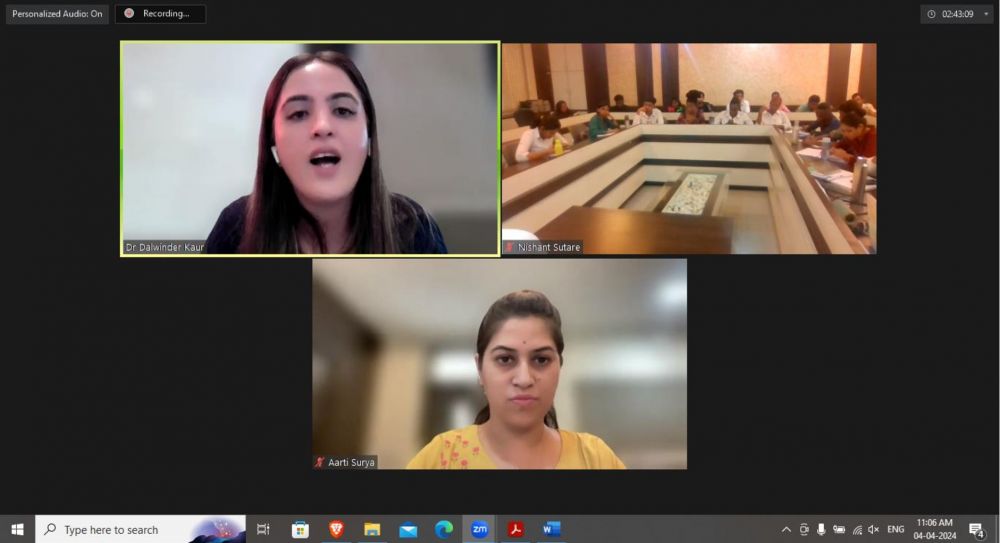
  2. The second lecture was conducted by Dr. Dalwinder Kaur Dhillon, Senior Lecturer at Manipal GlobalNXT University, Malaysia. Surprisingly she had joined us from a café in Los Angeles, USA to keep her commitments with respect to timings. In her lecture she explained how education serves as the cornerstone for fostering awareness, understanding, and appreciation of the principles of sustainability among stakeholders, from industry professionals to travellers themselves. She pointed out that by integrating sustainability concepts into curricula at all levels of education, from primary schools to tertiary institutions, we can sow the seeds of responsible tourism practices early on, nurturing a generation of conscious travellers and industry leaders.Questions from students lead her to elaborate on how education empowers individuals with the knowledge and skills necessary to critically evaluate tourism activities, make informed choices, and advocate for sustainable practices. She highlighted the importance of interdisciplinary approaches that blend environmental science, economics, sociology, and ethics, education equips learners with a holistic perspective essential for addressing the multifaceted challenges of sustainable tourism. Her lecture focussed on the pivotal role of education in cultivating a culture of sustainability within the tourism sector, exploring innovative pedagogical strategies, successful case studies, and future directions for advancing sustainable tourism through education.

REPORT for Day-3 | 05-04-2024

  1. The first lecture of the day was conducted by Dr. Pramendra Singh, Assistant Professor at Lovely Professional University, Punjab. In his lecture he highlighted the concept of sustainability as pivot to life, especially in a culturally rich and diverse country like India. He elaborated that the sustainable tourism practices not only ensure the preservation of natural resources and cultural heritage but also foster socio-economic development within communities. He gave multiple examples from India, famously of Bhim Bhetka caves and Khajuraho caves. He also shared his own personal experiences and how that has led him to be more responsible around tourist attractions.He highlighted that around, historical sites, and vibrant cultures, there is always an opportunity for sustainable tourism initiatives. Collaborative efforts between local communities, government bodies, and tourism stakeholders play a paramount role in achieving sustainability objectives. His lecture explored the essential question of how community engagement, empowerment, and benefit-sharing mechanisms and can be instrumental in mitigating negative impacts while enhancing the socio-cultural fabric and economic prosperity of host communities.
  2. The second lecture and the last lecture of the lecture series was conducted by Dr. Arkadiusz Tomasz Tomczyk, Lecturer at Bournemouth University, U.K. In his lecture he highlighted the importance of today's rapidly evolving tourism landscape, the integration of artificial intelligence (AI) and how revenue management strategies present a compelling avenue towards smart sustainability. His lecture focussed on the synergistic approach to leverage AI so that tourism stakeholders can gain valuable insights into consumer behaviour, market trends, and environmental impacts, enabling them to make informed decisions that balance profitability with environmental preservation.Through some research articles he highlighted how by using AI empowered systems one can dynamic pricing models that respond in real-time to fluctuations in demand and resource availability, fostering greater efficiency and resilience in the tourism sector. He also made sure to share in his lecture to that it is crucial to ensure that these technologies are deployed ethically and responsibly, with careful consideration given to issues of privacy, equity, and cultural sensitivity.

The summary of the lecture series was shared by our student Ms. Lindsay Britah and vote of thanks to all the speakers and student volunteers was presented by the Head of the Department, Prof. Aarti Suryanwashi. Feedbacks and learnings from students were collected for each lecture throughout the lecture series.


Published in Events
Wednesday, 09 October 2024 07:05

Industrial Visit to ACG Capsules Shirwal Plant

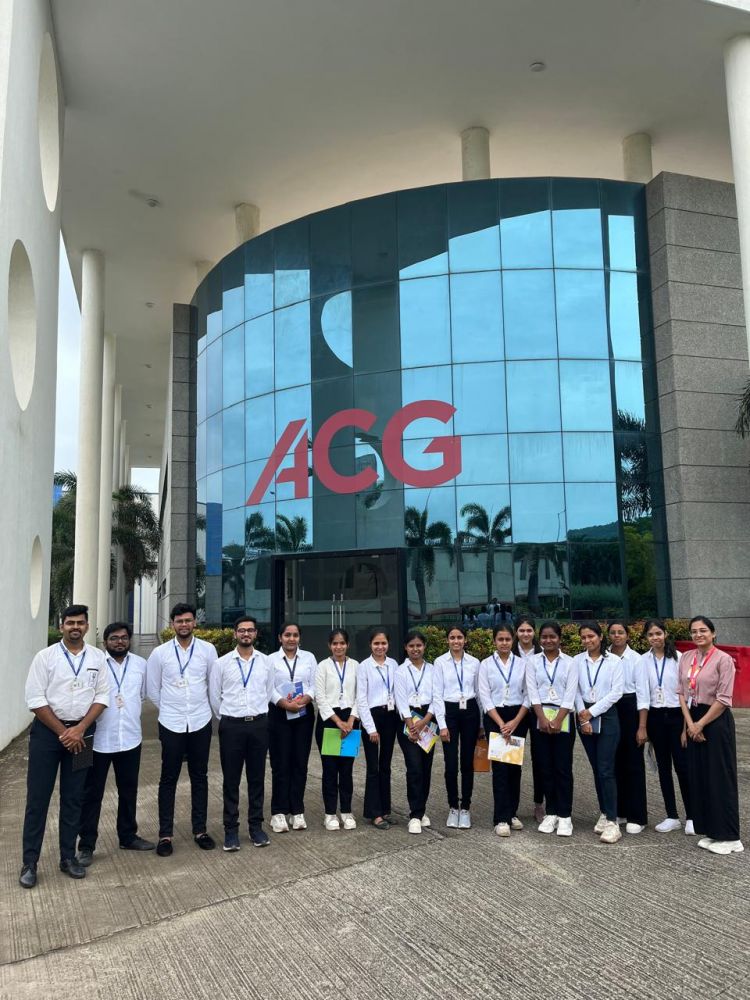
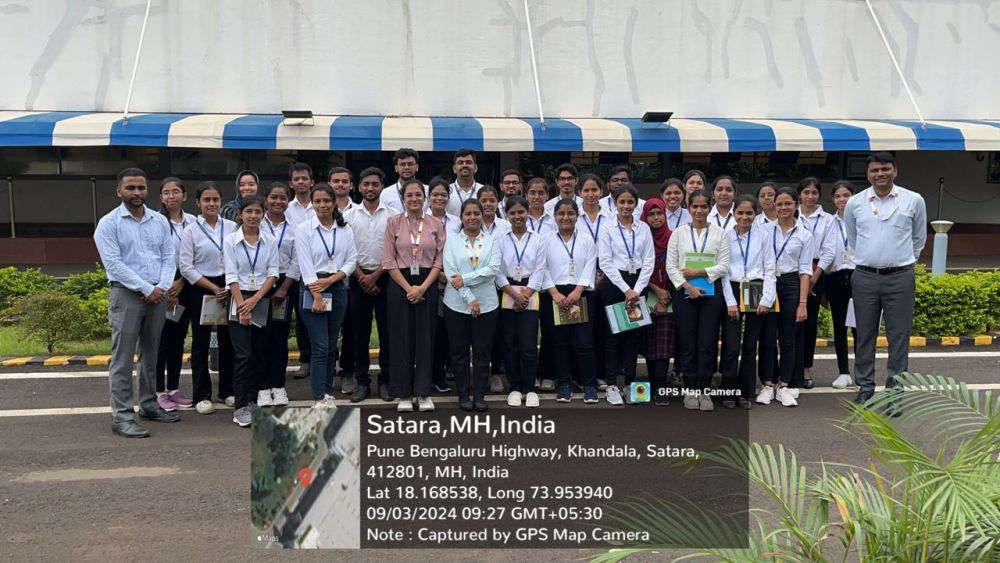
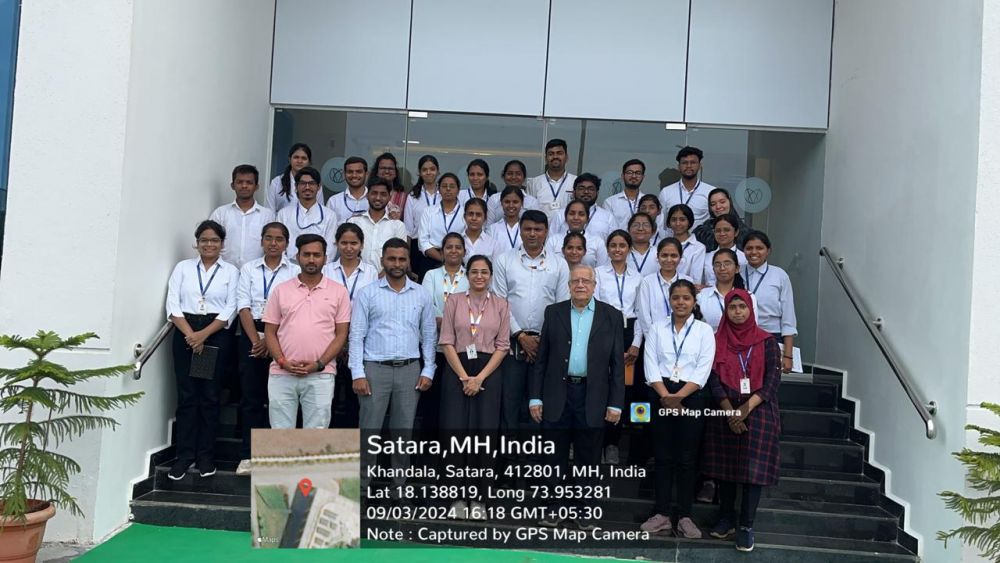
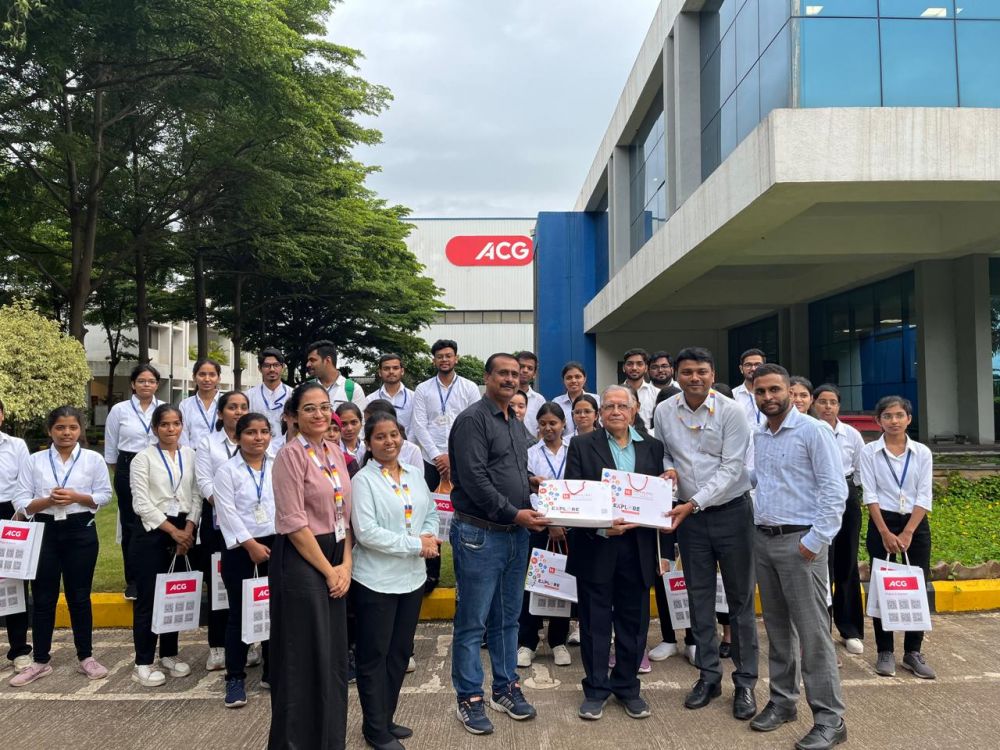
On Tuesday, September 03, 2024, a group of students from Vishwakarma University visited the ACG Capsules Shirwal Plant as part of their academic curriculum. The visit was organized to provide the students with first-hand experience of the pharmaceutical manufacturing processes and the operational environment of a leading global pharmaceutical company.
The students were then divided into groups for a detailed walkaround of ACG Capsules and other ACG facilities, including ACG Metalcraft, ACG Pharma Technologies (APT), Vantage Nutrition, and ACG Films & Foils. Each location provided a unique insight into the diverse aspects of pharmaceutical manufacturing, from capsule production to the fabrication of metal components and advanced pharma technologies.
Throughout the visit, the students were introduced to various safety protocols, quality control measures, and manufacturing processes, all of which are integral to maintaining the high standards of the pharmaceutical industry. The visit concluded with a final gathering at ACG APT, where the students had the opportunity to discuss their observations and experiences with industry experts.


Co-ordinators/ Members:


Dr. Dipali Talele and Mr. Abhijeet Pawar (Placement Team)
Prof. Sonali Manwatkar and Mr. Remi Thomas (Industry Connect)


Published in Happenings

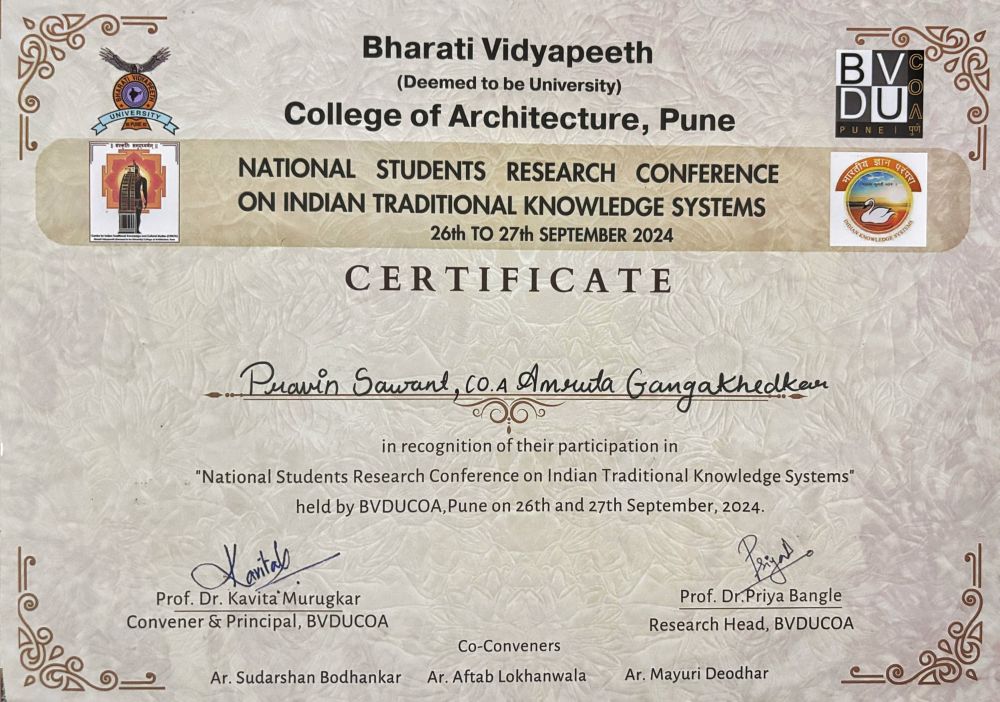
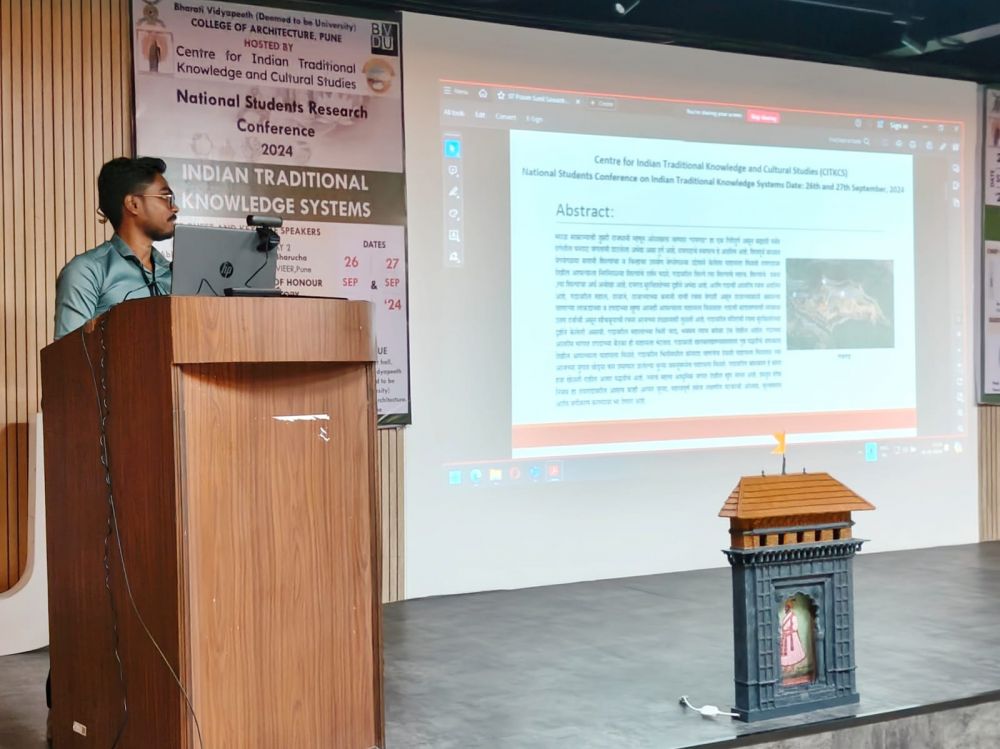
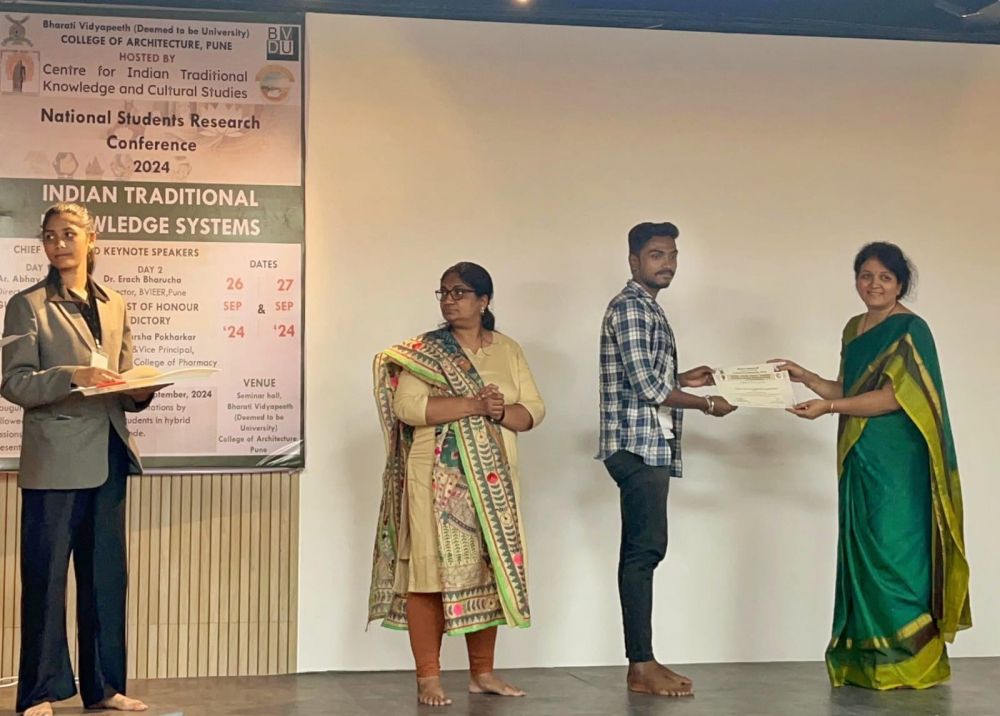
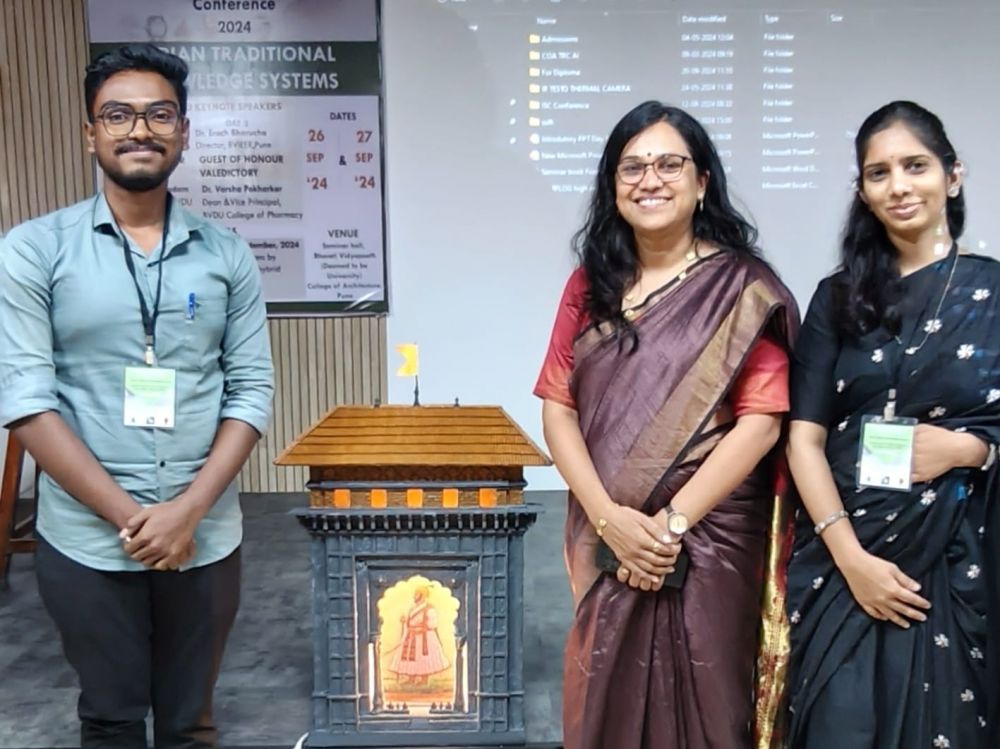
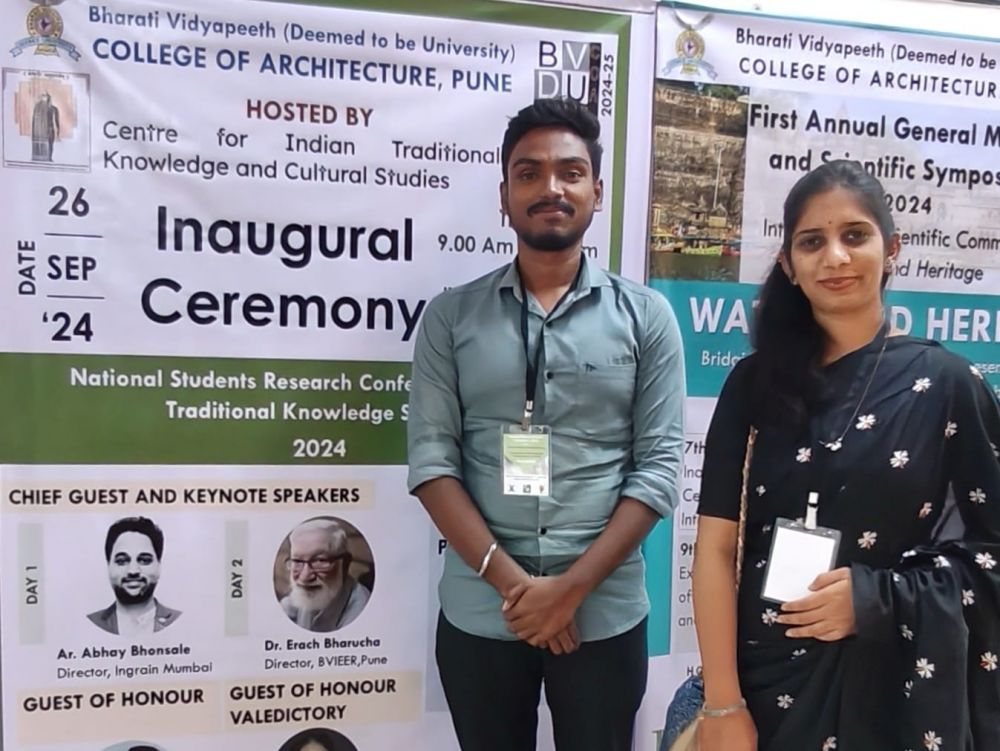
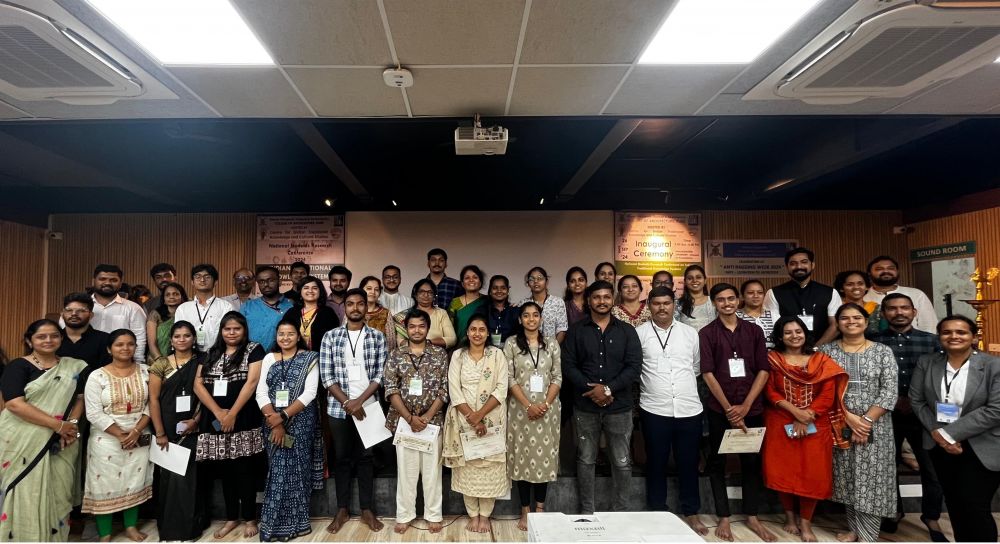
At the National Students Research Conference organized by the Centre for Indian Traditional Knowledge and Cultural Studies at Bharati Vidyapeeth College of Architecture, Pune, on the 26th and 27th of September 2024, Pravin Sawant, a BAIDD III Sem student from the Department of Interior Spaces, presented his research on "Historical Structure, design and Identification, evaluation and classification of internal elements on Raigad Fort," guided and co-authored by Prof. (Ar.) Amruta Gangakhedkar.

Pravin’s creative exploration of Raigad Fort, highlighted through a handmade model of its internal elements, earned him significant praise from dignitaries, including Dr. Kavita Murugkar, Principal, BVDUCOA. As the only student with an interior design background at this architecture-focused conference, his work stood out for its originality and depth. Both the Department of Interior Spaces and the Faculty of Architecture are proud of Pravin for his exceptional achievement.


Published in Happenings
Page 2 of 3

Copyright © Vishwakarma University, Pune 2026 All rights reserved..

[Best viewed in IE 10+, Firefox, Chrome, Safari, Opera.]

Powered by  

Programme Brochures
Apply for Admission
Register for VUNET
Register for VUPET
Ph.D Enquiry