In the realm of engineering and design, two disciplines stand prominently: civil engineering and architecture. Both fields play integral roles in shaping our physical environment, yet they cater to distinct interests, skill sets, and career outcomes. With an increasing number of students and professionals pondering the pivotal question—civil engineering vs architecture—understanding the core differences and intersections between these disciplines is more crucial than ever. Drawing insights from a comparative analysis, this blog aims to elucidate the distinctions and connections between civil engineering and architecture, guiding you towards making an informed decision about your educational and professional journey.
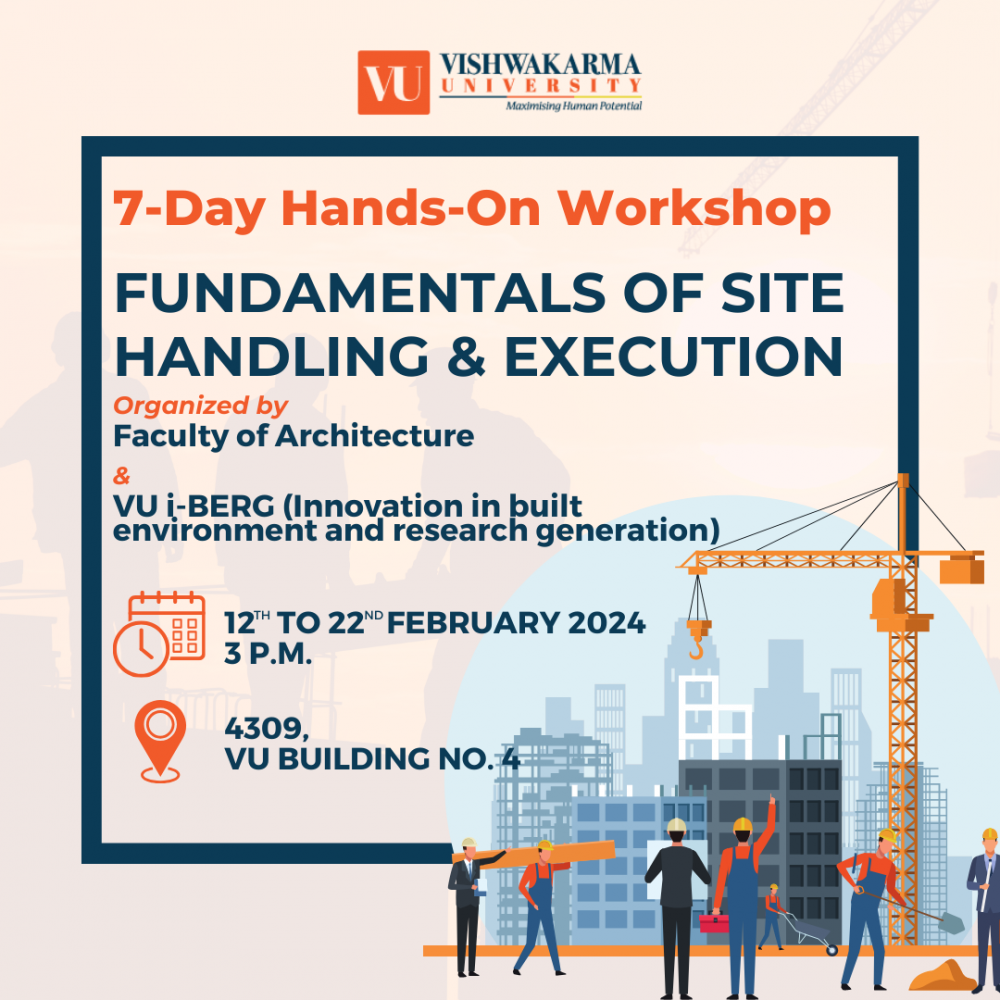
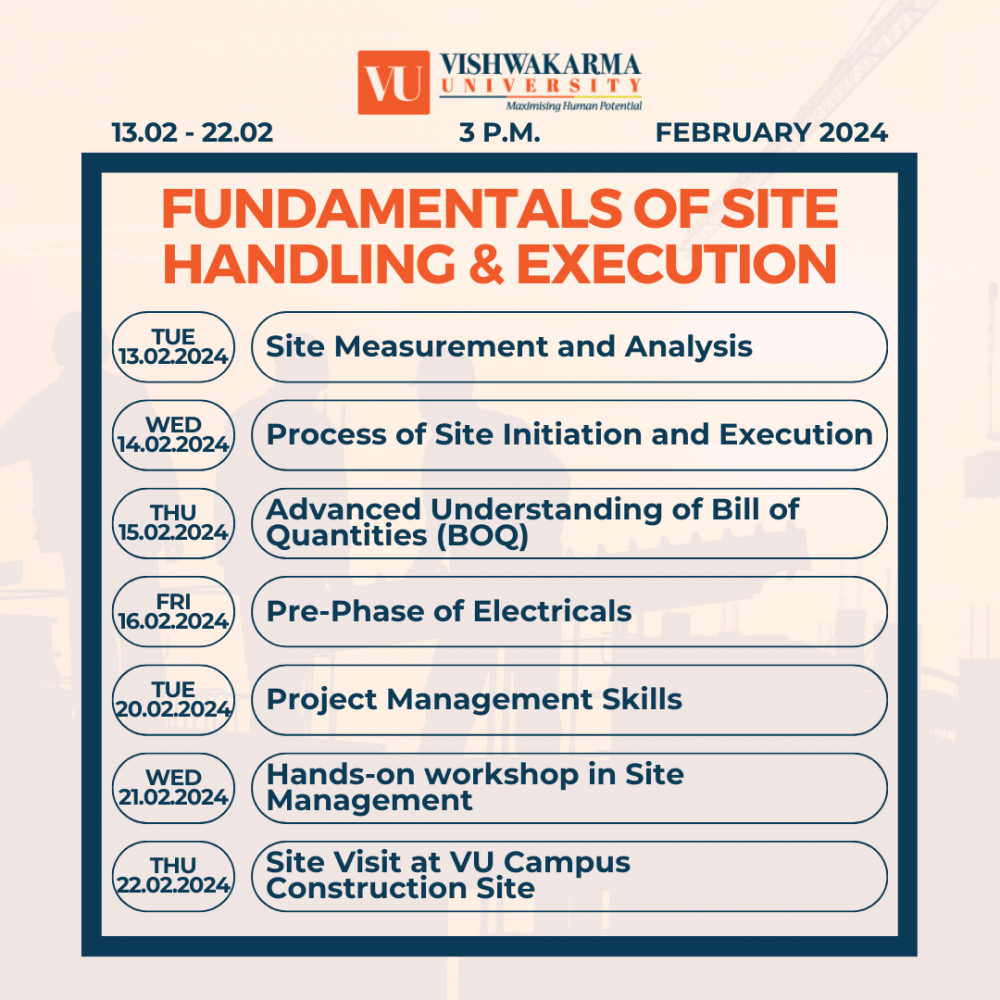
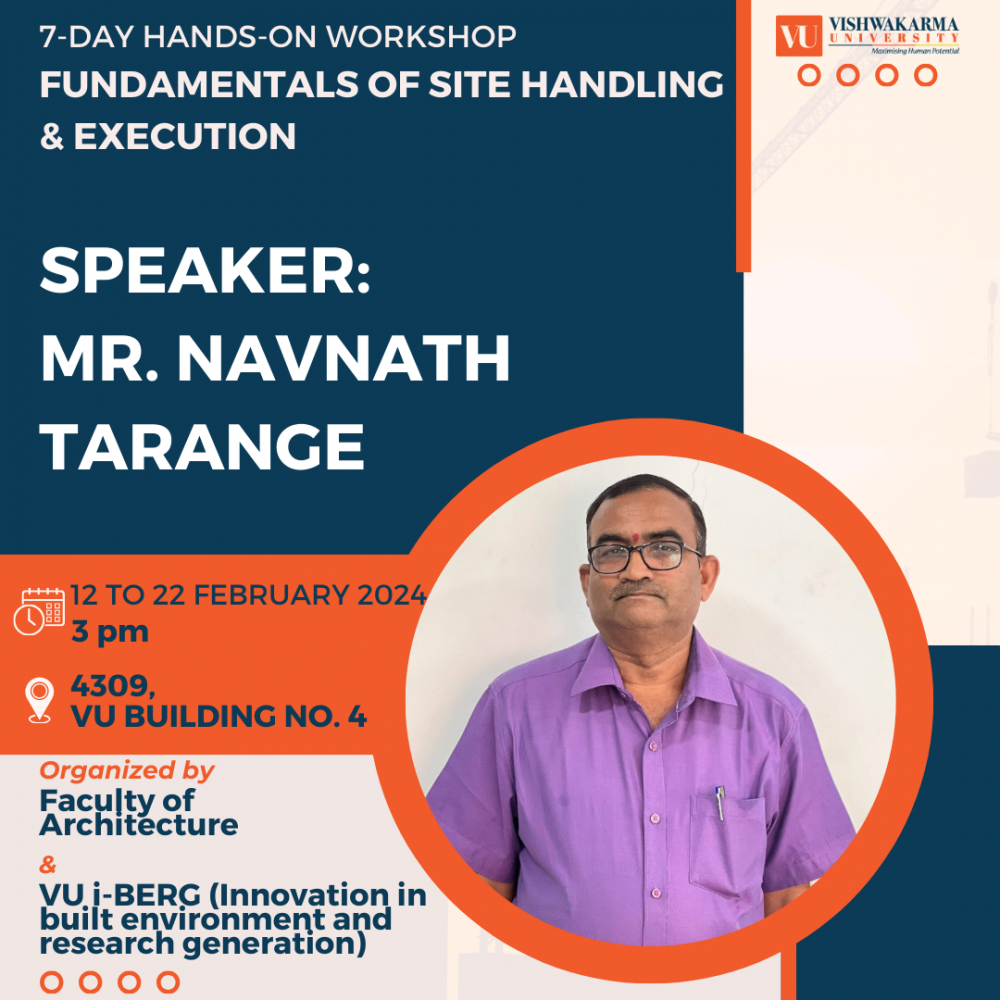
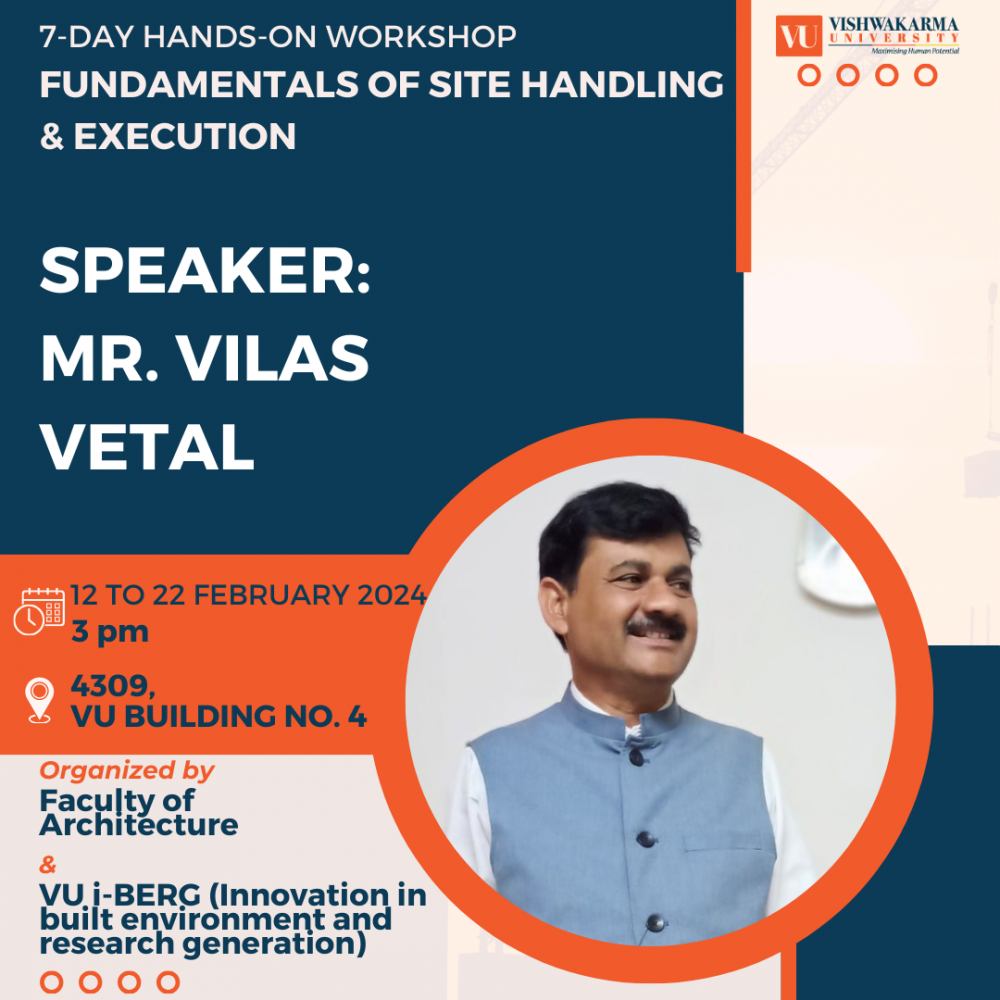
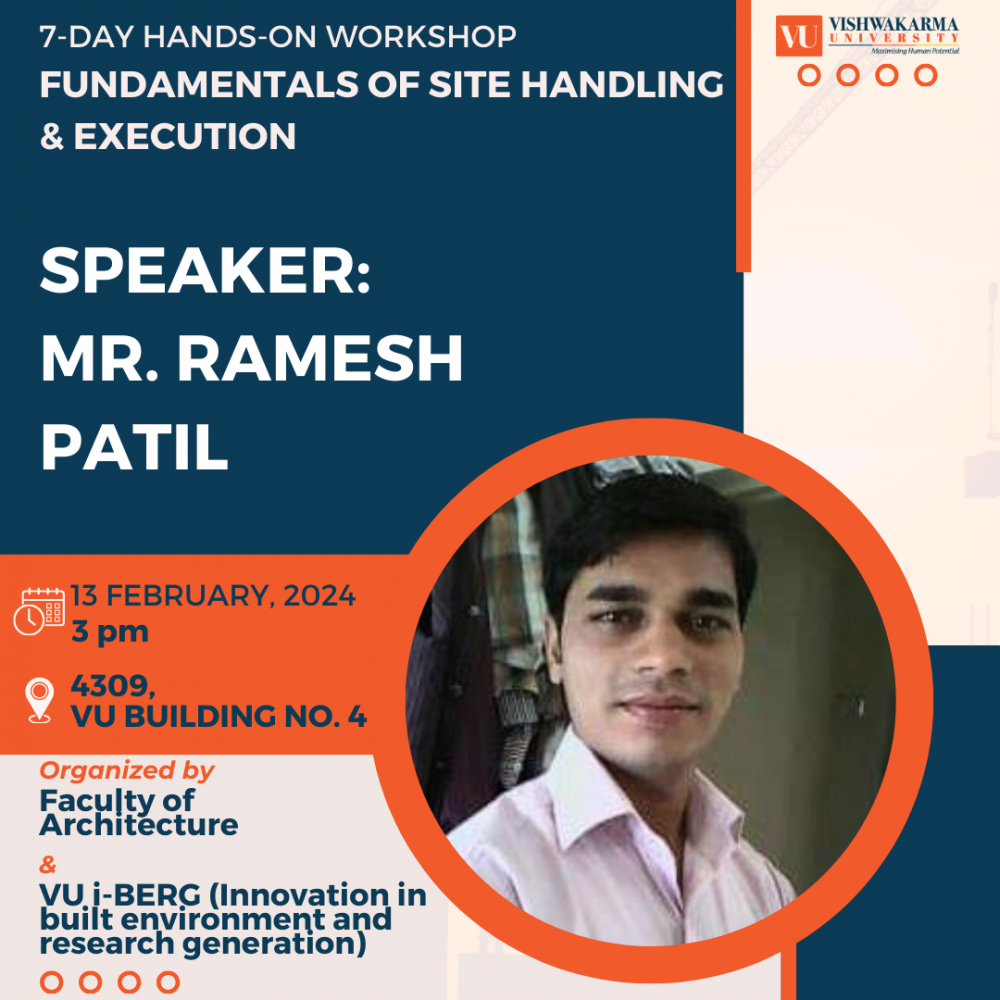
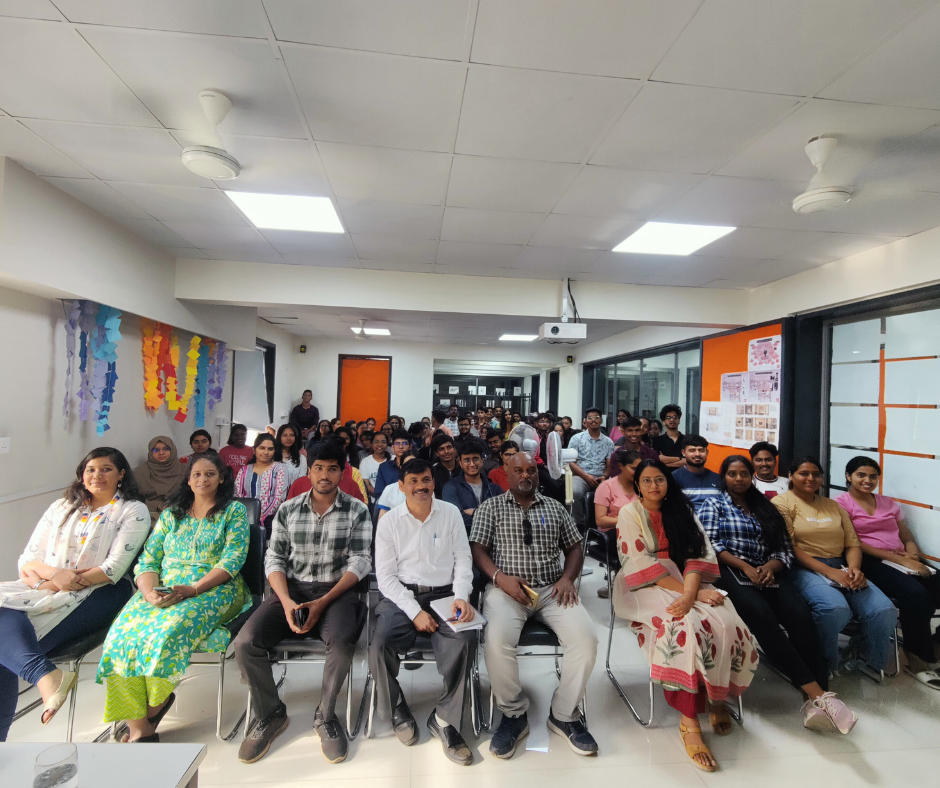
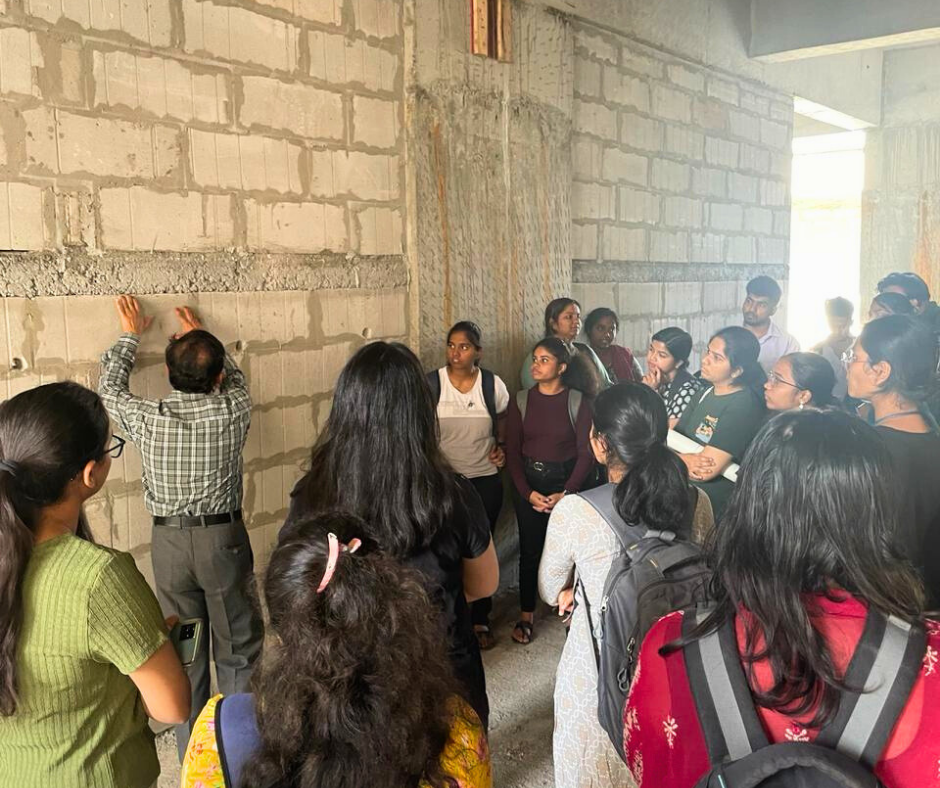
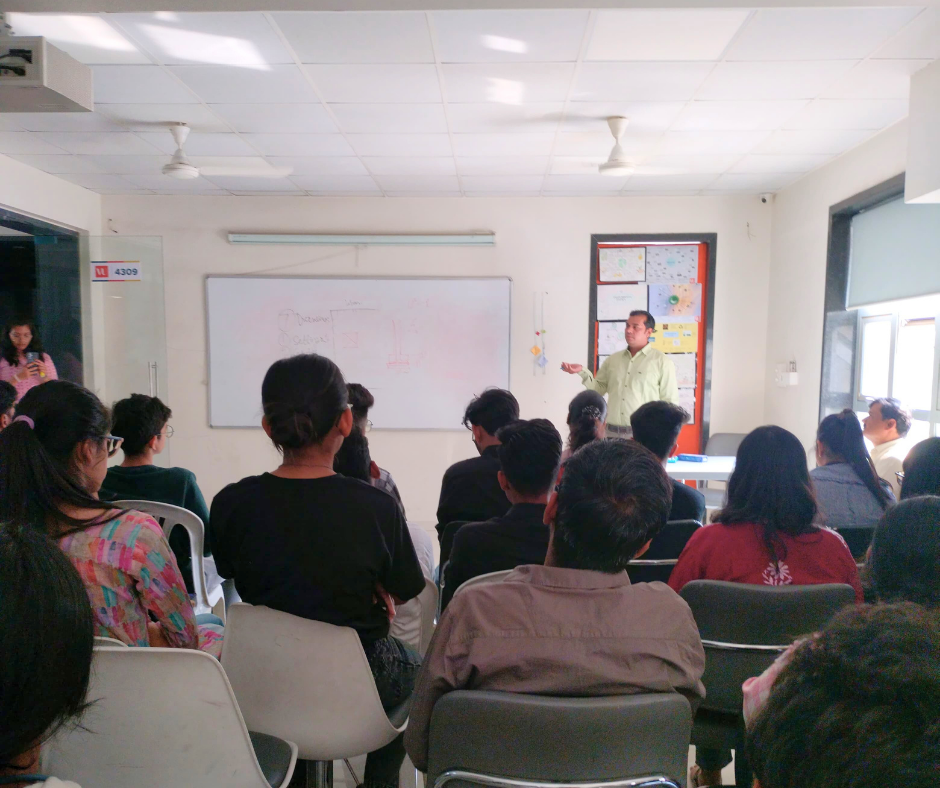
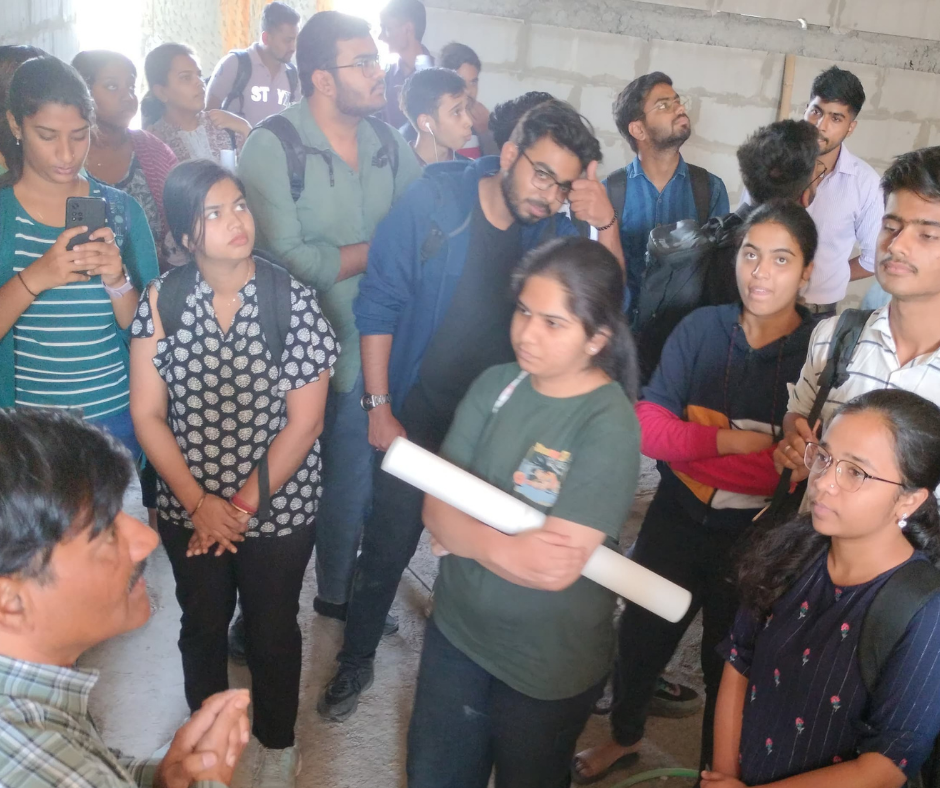
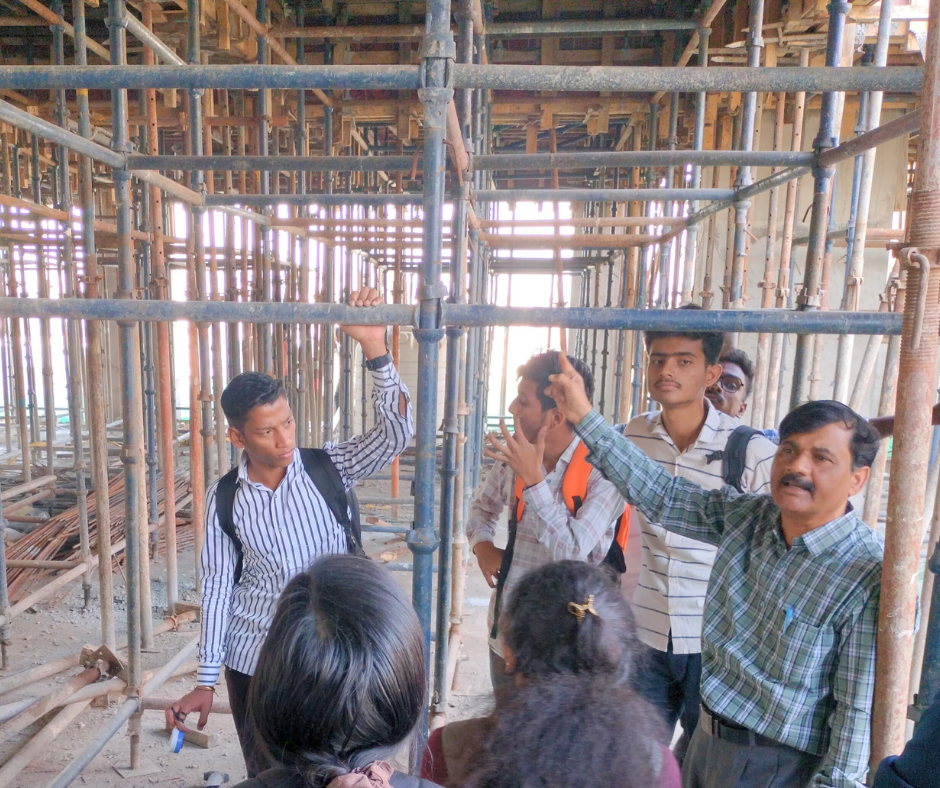
Date: 12th to 22nd February 2024
Location: VU Building No. 4, Room 4309
Purpose: Comprehensive Learning in Construction and Project Management
Department: Faculty of Architecture and VU i-BERG
Faculty Guides: Prof. Ateka Nulwala and Dr. Shraddha Jadhav
Introduction:
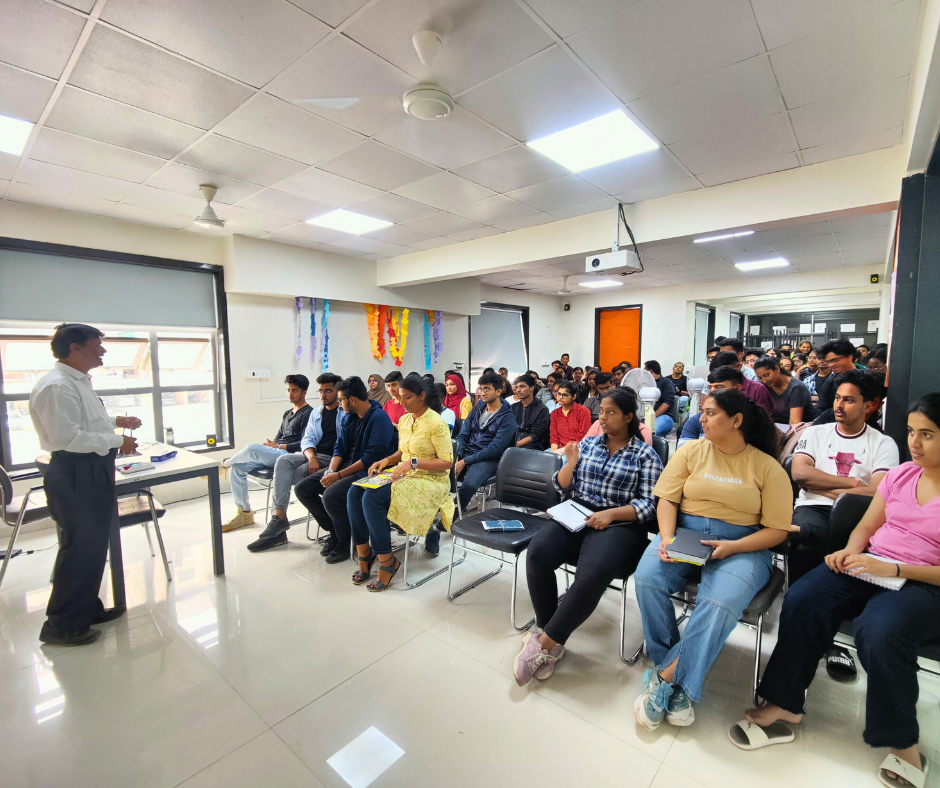
The workshop was a transformative learning experience designed to bridge the gap between theoretical knowledge and practical application in construction and project management. It played a pivotal role in equipping participants with the essential skills and insights required for effective site handling and execution.
Objectives:
Activities:
Agenda and Speakers:
Key Learnings:
Date: February 15, 2024
Location: Featherlite Collections, Choice Apartment, Opp Ruby Hall Clinic, Balkrishna Sakharam Dhole Patil Rd, Sangamvadi, Pune, Maharashtra 411001
Purpose: Industry Visit for Interior Design Students of BAID and MAID
Course: Design Studio I and Furniture Design
Department: Interior Spaces
Faculty Guides: Prof. Ateka Nulwala, Dr. Shraddha Jadhav, Prof. Apurva Thosar and
Prof. Amruta Gangakhedkar
Introduction:
The Department of Interior Spaces is delighted to share the success of the Industrial Visit to Featherlite Collections, which took place on 15th February 2024. This visit provided students with a unique opportunity to explore the renowned Featherlite brand and gain insights into its innovative furniture manufacturing processes. Featherlite, a pioneer in the furniture industry, has become synonymous with intelligent, well-designed furniture desired by consumers, enterprises, and corporates across sectors and industries. Founded in 1965 by Gopal Ramnarayan, Featherlite soon emerged as an industry leader in furniture manufacturing, with a commitment to sustainable practices.
Highlights:
Activities:
During the Industrial Visit to Featherlite Collections, students were immersed in a world of innovation and sustainability within the furniture manufacturing industry. Upon arrival, they were warmly welcomed by the Featherlite team and guided through the expansive factory premises. As they traversed through the facility, students witnessed firsthand the intricate processes involved in crafting intelligent and well-designed furniture. Engaging with industry professionals, students gained insights into Featherlite's commitment to sustainable manufacturing, exemplified by their 100% solar-powered factory and Zero Waste endeavor. The visit provided a unique opportunity for students to learn about Featherlite's customized space and furniture solutions, executed with a meticulous focus on customer requirements, aesthetics, ergonomics, and sustainability-first values. Through interactive discussions and guided tours, students expanded their knowledge of innovative design practices and emerged with a deeper appreciation for the fusion of creativity and sustainability in the furniture industry.
Key Learnings:


Date: February 14, 2024
Location: Crecimiento Modular Components India Pvt. Ltd., Pisoli, Pune, Maharashtra 411048.
Purpose: Industry Visit for Interior Design Students
Course: Design Studio I
Department: Interior Spaces
Faculty Guides: Prof. Ateka Nulwala and Dr. Shraddha Jadhav
Introduction:
The Industrial Visit offered students a firsthand glimpse into the innovative practices and cutting-edge technology utilized by Crecimiento Modular Components, a leading manufacturer of modular furniture components. Participants had the opportunity to explore the smart factory infrastructure and gain a comprehensive understanding of the manufacturing process.
Highlights:
Activities:
Upon arrival at Crecimiento Modular Components, students were warmly welcomed by the management team and immersed into the realm of cutting-edge manufacturing and smart factory operations. The visit commenced with an expert-guided tour, unveiling the intricacies of modular furniture production. Students explored various sections of the facility, including the production floor, quality control stations, and assembly areas, gaining firsthand insight into the manufacturing process.
Throughout the tour, instructors emphasized the importance of precision engineering and quality assurance in modular furniture production. Prof. Ateka Nulwala and Dr. Shraddha Jadhav provided insightful commentary on the technological advancements and innovative practices adopted by Crecimiento Modular Components. Students were encouraged to engage critically, asking questions and actively participating in discussions to deepen their understanding.
Following the tour, a Q&A session with the company's manufacturing experts provided students with the opportunity to delve into the intricacies of modular furniture production. They gained insights into the decision-making processes, challenges faced, and the significance of automation and efficiency in modern manufacturing facilities. Additionally, students received an overview of the company's sustainability initiatives, underscoring the importance of eco-friendly practices in contemporary manufacturing processes.
Key Learnings:


Date: February 13, 2024
Location: Vishwakarma University's BRACT Office, Gultekdi, Pune
Purpose: Study Visit for Interior Design Students
Course: Design Studio I
Department: Interior Spaces
Faculty Guides: Prof. Ateka Nulwala and Dr. Shraddha Jadhav
Introduction:
The Interior Design students of Vishwakarma University embarked on a journey of exploration and learning, stepping into the corporate realm at the BRACT office in Gultekdi. This visit, intricately woven into the curriculum of Design Studio I, aimed to deepen students' comprehension of spatial planning and design elements within the context of a corporate office.
Objectives:
Activities:
Upon arrival, students were greeted by the management team at the BRACT office and were ushered into the realm of corporate design. The visit commenced with a guided tour, unveiling the intricacies of the office's design. Students explored various zones, including the reception area, workspaces, meeting rooms, and collaborative zones.
Throughout the tour, Prof. Ateka Nulwala and Dr. Shraddha Jadhav provided insightful commentary on design features, layout optimization, and space utilization. Students were encouraged to engage critically, fostering a deeper understanding through observation and inquiry.
Post the tour, a Q&A session with the office's interior design team allowed students to delve into the decision-making processes, challenges faced, and the significance of collaboration in design projects. An overview of technological advancements and sustainable practices incorporated into the office design was also provided, aligning with contemporary trends in interior design.
Key Learnings:


Organized by: Department of Interior Spaces, Faculty of Architecture
Date: 21st February 2024
Time: 10:00 A.M. to 01:00 P.M.
Venue: Auditorium, Eco Campus Building (No.1)
Conducted by: Mr. Tushar Dastane and Mr. Francis - CEO Diligent Enterprises
Purpose:
This guest session is strategically designed to delve into the intricate world of acoustic materials, offering participants valuable insights into their significance within interior design. Mr. Tushar Dastane and Mr. Francis, with their expertise, provided a deep understanding of the role of acoustic materials in creating harmonious and functional interior spaces.
Learning Highlights:
During the guest lecture, students explored the following topic:


Date: 14th February 2024
Time: 1:00 pm to 3:00 pm
Venue: INTERIOR SPACES DEPARTMENT
Subject: BAID22405 – PRINCIPLES & APPLICATIONS OF VASTUSHASTRA
Semester: BAID IV Semester
Conducted by: Mrs. Tejaswini Shukla
Purpose:
This guest lecture aimed to provide students with a deeper understanding of the practical applications and principles of Vastushastra. By delving into the core aspects of this ancient architectural science, students gained valuable insights that bridge theoretical knowledge with real-world applications.
Learning Highlights:
During the guest lecture, students learnt the following:


Subject: BAID22405 – PRINCIPLES & APPLICATIONS OF VASTUSHASTRA
Semester: BAID IV Semester
Date: 24th January 2024, Wednesday
Conducted by: Prof. (Ar.) Samruddhi Chitnis
Site 1: SHRIRAM BUNGALOW, NARKESRI SOCIETY, GANESH NAGAR, DHAYRI
Site 2: STATURE APARTMENT, FLAT NO. 603, SINHGAD RD. DHAYRI
Objective:
The case study site visits were organized as part of the curriculum for PRINCIPLES & APPLICATIONS OF VASTUSHASTRA to provide students with practical experiences and enhance their understanding of real-world design challenges. The focus was on exploring Vastu principles for residential spaces, emphasizing the perfect positioning of individual spaces within houses and the application of remedies for Vastu corrections based on directional aspects.
Learning Highlights:
During the site visits, students had the opportunity to:


Subject: MAID22202 – Design of Commercial Spaces
Semester: MAID II Semester
Date: 17 January, 2024 - Wednesday
Conducted by: Prof. (Ar.) Samruddhi Chitnis
Objective:
The site visit aimed to provide practical exposure and hands-on experience to MAID II Sem students in understanding the complexities and challenges involved in designing a Branded Garment Showroom. This real-world case study enriches their education and enhances their ability to tackle design problems in a professional setting.
Learning Highlights:
During the visit, students explored various aspects related to the design problem, including:


Subject: Workshop II
Semester: BAID IV Semester
Date: 02 February, 2024 - Friday
Conducted by: Prof. (Ar.) Samruddhi Chitnis
Objective:
The Mandala Painting Workshop aimed to introduce students to the ancient art form of mandala, known for its geometric patterns and spiritual symbolism. Beyond the artistic aspect, the workshop focused on fostering creativity, mindfulness, and an appreciation for the meditative qualities of mandala painting.
Learning Highlights:


Subject: Workshop II
Semester: BAID IV Semester
Date: 19 January, 2024 - Friday
Conducted by: Prof. (Ar.) Amruta Gangakhedkar
Objective:
The workshop aimed to introduce students to the traditional art form of Warli painting, originating from the Warli tribe in Maharashtra. Beyond the artistic aspect, the workshop aimed to foster an appreciation for cultural heritage and provide students with a hands-on experience in this unique form of expression.
Learning Highlights:


Title of the Activity: Visionary Techfest '24 - Vishwakarma University and Binghamton University Unite for Techfest: A Fusion of Innovation and Art
Date and Time: 8 th Feb, 2024
Venue: Vishwakarma University Campus
Brief Description (max 100 words):
Visionary Techfest '24, hosted by Vishwakarma University in collaboration with Binghamton University, concluded on 8 th Feb, 2024 with resounding success, marking an extraordinary display of innovation, creativity, and technical prowess. The event brought together 258 participants from various institutions, creating a vibrant atmosphere of collaboration and knowledge exchange. Visionary Techfest '24 was a testament to the commitment of Vishwakarma University to fostering technological innovation and providing a platform for students to showcase their talents.
Highlights of Visionary Techfest '24:
Cutting-Edge Projects: Participants presented a diverse range of projects encompassing fields such as Internet of Things, Cybersecurity, Artificial Intelligence, and Design and Thinking reflecting the latest trends and advancements in technology.
Sessions by Binghamton University representatives: The event featured enlightening sessions by esteemed speakers, including Madhusudhan Govindaraju (Vice Provost for International Education and Global Affairs) and Michael Testani (Senior Director of Outreach & Engagement) providing valuable insights into the ever-evolving world of technology.
Competitions and Challenges: Techfest witnessed intense competitions, challenging participants to apply their skills in real-world scenarios. The innovative solutions presented were commendable.
Project Exhibition: A display of impactful projects highlighted the practical applications of theoretical knowledge, demonstrating the participants' ability to bring ideas to life.
Art Exhibition: The creative flair of students shone through an impressive art exhibition, showcasing the fusion of technology and artistic expression.


The legal landscape is undergoing a transformation, and at the heart of this evolution is the integration of business acumen with legal expertise. At Vishwakarma University, we recognize the growing significance of this blend, which is why our BBA LLB program is designed to meet the contemporary demands of both the corporate and legal worlds. While many students ponder over BA LLB vs BBA LLB, we’re here to illuminate why a BBA LLB could be the superior choice for your legal education and career, especially when you are at an institution that excels in this field.

NAVIGATION
QUICK LINKS
PROGRAMMES
CONTACT US
Only for Students
+91 9590300911Only for Faculties
+91 8669908316Copyright © Vishwakarma University, Pune 2026 All rights reserved..
[Best viewed in IE 10+, Firefox, Chrome, Safari, Opera.]
Powered by